x


 Preview
 Zamów reprodukcję Kup cyfrowy obraz
 Udostępnij
 Szczegóły dzieła
 Dodaj do ulubionych
 Pobierz
 Podobne obiekty
 RTG
RTG
 Pokaz slajdów
 Acrylic On CanvasWallArtProto-Cubism
 1911Modern
 146.0 x 114.0 cm
Druk giclée lub płótno o jakości muzealnej z szybką realizacją i szerokim wyborem opcji wykończenia.





























Wybierz spośród naszych predefiniowanych rozmiarów, które zachowują oryginalne proporcje dzieła sztuki.

Możesz wprowadzić własne wymiary, aby dopasować dzieło do konkretnej ramy lub przestrzeni. Jeśli wybrany rozmiar nie będzie odpowiadał proporcjom oryginalnego obrazu, przytniecie dzieło lub rozszerzymy obraz za pomocą odbicia lustrzanego lub jednolitego wypełnienia krawędzi. Przed rozpoczęciem produkcji prześlemy cyfrową wizualizację do Twojej akceptacji.
Prosimy pamiętać, że podgląd na ekranie nie odzwierciedla faktycznego przycinania ani rozszerzania. Tylko wizualizacja dokładnie pokaże końcową kompozycję.
Mimo dostępności niestandardowych rozmiarów, zalecamy wybór wymiaru z listy zdefiniowanej, aby zachować oryginalne proporcje.
Dostawa na cały świat () w ciągu 2 tygodni zamiast standardowych 4/5 tygodni. (24 Lipiec)


Portrait (Dulcinea)
Wymiary reprodukcji
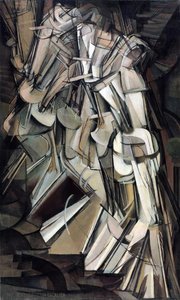
Marcel Duchamp's “Portrait (Dulcinea),” completed in 1911, stands as a cornerstone of Proto-Cubism and embodies the artist’s audacious challenge to conventional artistic representation. More than just a depiction of a woman—a figure glimpsed fleetingly on Parisian streets—it’s an exploration of time, movement, and the very essence of perception itself. Duchamp's decision to elevate an ordinary porcelain urinal to the status of art cemented his legacy as one of the most influential figures in modern art.
Born Henri Robert Marcel Duchamp in 1887, Duchamp initially pursued formal training, mastering traditional techniques before rejecting them altogether. He recognized that true innovation lay not in replicating reality but in interrogating its underlying structure. “Portrait (Dulcinea)” exemplifies this approach, drawing heavily from Étienne-Jules Marey’s and Eadweard Muybridge’s pioneering chronophotography experiments—a technique aimed at capturing movement—and translating it into a visual language. The painting abandons single viewpoint perspective, presenting five women simultaneously in successive positions, each subtly shifting attire as if stripped over time.
Measuring 146 x 114 cm, the canvas is dominated by five women arranged in a dynamic tableau. Each figure possesses distinct characteristics—long hair flowing down her back, short hair, and varied poses—reflecting Duchamp’s meticulous observation of the human form. The artist skillfully employs geometric shapes to fragment the figures, mirroring the Cubist preoccupation with dissecting objects into constituent parts. The limited color palette – earthy tones – reinforces this sense of austerity and contributes to the painting's contemplative mood.
“Portrait (Dulcinea)” transcends mere visual representation; it operates on a symbolic level, hinting at Duchamp’s fascination with concepts like time and transformation. The gradual diminution of clothing across the five women symbolizes a process of unveiling—a stripping away of superficial layers to reveal an underlying essence. This deliberate gesture aligns with Duchamp's broader artistic philosophy, questioning accepted notions of beauty and challenging viewers to reconsider their understanding of art.
Duchamp’s groundbreaking vision profoundly impacted subsequent artists, including Joseph Cornell, Baroness Elsa von Freytag-Loringhoven, and Andy Warhol. His playful self-representation—particularly his depiction of Dulcinea—inspired countless likenesses by other creatives, securing his place as a pivotal figure in the history of art. “Portrait (Dulcinea)” foreshadows Duchamp’s monumental *Nude Descending a Staircase, No. 2* and *The Large Glass*, demonstrating his unwavering commitment to pushing artistic boundaries.
Currently housed at the Philadelphia Museum of Art, this remarkable artwork continues to inspire debate and admiration, cementing Duchamp's enduring legacy as an artist who fundamentally reshaped the landscape of modern art.


1887 - 1968 , Francja

Odkryj fascynujący świat portretu! Poznaj 10 arcydzieł Rembrandta, Van Gogha i Monę Lisę – historie artystów, techniki malarskie i inspiracje wnętrzarskie. Reprodukcje obrazów najwyższej jakości na Most-Famous-Paintings.com

Poznaj 25 najbardziej znanych obrazów Francis Bacona – arcydzieł ekspresjonizmu pełnych emocji i dramatyzmu. Odkryj historię, technikę i wpływ tego wybitnego artysty. Reprodukcje najwyższej jakości na Most-Famous-Paintings.com! Eksploruj kolekcję online.

Odkryj fascynującą historię portretu vintage! Eksploracja stylów, technik malarskich i symboliki portretów od renesansu po XIX wiek. Poradniki dla kolekcjonerów i miłośników sztuki.

Odkryj 10 arcydzieł kubizmu, które zrewolucjonizowały portret! Poznaj historię Picasso, Braque'a i innych mistrzów. Inspiracje do wnętrz i reprodukcje najwyższej jakości na Most-Famous-Paintings.com – sztuka dla Twojego domu.

Commission a timeless oil portrait from skilled artists at Most-Famous-Paintings. Preserve your family's legacy with museum-quality paintings, crafted to cherish for generations. Expert guidance & personalized service.


Bądź na bieżąco z najnowszymi wiadomościami ze świata sztuki, ekskluzywnymi ofertami i inspiracjami dekoratorskimi.
Opowiedz nam o swoim projekcie, a nasi eksperci od sztuki przygotują dla Ciebie 3 spersonalizowane propozycje dzieł sztuki.
Pozwól nam przygotować 3 propozycje specjalnie dla Ciebie – za darmo!


 Udostępnij

 Rozwiń treść







 Opcja szkła jest dostępna wyłącznie w rozmiarach poniżej 110 cm