x


Druk giclée lub płótno o jakości muzealnej z szybką realizacją i szerokim wyborem opcji wykończenia. ( Switch to hand made Painting Switch to Image)





























Wybierz spośród naszych predefiniowanych rozmiarów, które zachowują oryginalne proporcje dzieła sztuki.

Możesz wprowadzić własne wymiary, aby dopasować dzieło do konkretnej ramy lub przestrzeni. Jeśli wybrany rozmiar nie będzie odpowiadał proporcjom oryginalnego obrazu, przytniecie dzieło lub rozszerzymy obraz za pomocą odbicia lustrzanego lub jednolitego wypełnienia krawędzi. Przed rozpoczęciem produkcji prześlemy cyfrową wizualizację do Twojej akceptacji.
Prosimy pamiętać, że podgląd na ekranie nie odzwierciedla faktycznego przycinania ani rozszerzania. Tylko wizualizacja dokładnie pokaże końcową kompozycję.
Mimo dostępności niestandardowych rozmiarów, zalecamy wybór wymiaru z listy zdefiniowanej, aby zachować oryginalne proporcje.
Dostawa na cały świat () w ciągu 2 tygodni zamiast standardowych 4/5 tygodni. (30 Lipiec)


Portrait 1
Wymiary reprodukcji
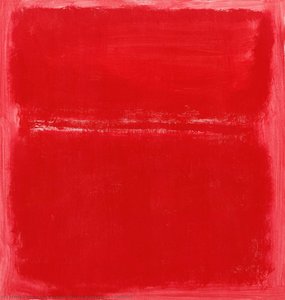
The canvas holds an arresting stillness—a portrait not merely of a man but of the profound contemplation inherent in confronting one's own mortality. Painted by Mark Rothko in 1963, shortly before his death, this work embodies the artist’s signature approach to abstraction: layering blocks of color onto canvas with deliberate precision and unwavering conviction.
Rothko eschewed representational imagery altogether, opting instead for a method he termed “condensation.” He applied thin washes of pigment—primarily cadmium yellow, crimson red, and ultramarine blue—to create expansive rectangles that bleed into one another. This technique wasn’t about depicting an external reality; it was about channeling internal feeling directly onto the surface of the artwork. The resulting hues aren't merely pigments on canvas; they are conduits for emotion – a deliberate attempt to bypass intellectual analysis and tap into primal sensations.
Rothko’s work emerged during the burgeoning Minimalist movement of the 1960s, a reaction against the excesses of Abstract Expressionism that preceded it. While contemporaries like Jackson Pollock wrestled with dynamism and gesture, Rothko sought refuge in simplicity—a deliberate stripping away of extraneous detail to focus solely on color and form. This stylistic choice coincided with a period marked by significant social upheaval: the Vietnam War raged, civil rights activism gained momentum, and anxieties about nuclear annihilation permeated the cultural landscape.
The seemingly unassuming rectangles themselves are laden with symbolic significance. Rothko believed that color possessed inherent spiritual qualities—that it could evoke profound psychological states without resorting to explicit imagery. The dominant hues – yellow, red, and blue – represent not specific concepts but rather fundamental aspects of human experience: optimism, passion, and melancholy respectively. Critics have interpreted these colors as reflections of Rothko’s own emotional landscape, suggesting that the painting serves as a visual manifestation of his inner turmoil and yearning for transcendence.
Viewing Rothko’s Portrait of Existential Uncertainty is an experience akin to entering a meditative space. The sheer scale of the canvas—approximately 68 x 48 inches—forces the viewer to confront their own gaze, inviting introspection and prompting questions about identity and purpose. There's no narrative to follow, no figure to analyze; instead, one is immersed in a sea of color that washes over the senses, leaving behind a residue of quiet contemplation – a testament to Rothko’s enduring ability to capture the essence of human consciousness.

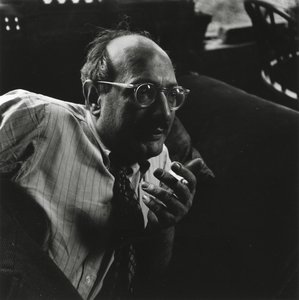
1903 - 1970 , Łotwa

Explore the profound emotional depth of Mark Rothko's abstract expressionism. Discover the history, techniques & lasting impact of this pivotal Color Field painter. Expert insights for collectors and art enthusiasts.
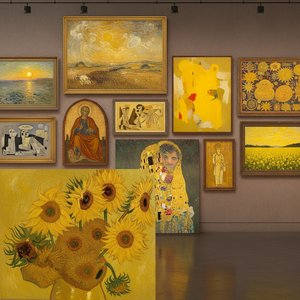
Odkryj 10 arcydzieł sztuki, w których króluje chromowa żółć! Van Gogh, Monet, Renoir i inni mistrzowie. Inspiracje wnętrzarskie i reprodukcje obrazów najwyższej jakości na Most-Famous-Paintings.com. Eksploruj pełną kolekcję online!

Odkryj fascynujący świat współczesnej abstrakcji i wpływu oświetlenia na percepcję sztuki. Ekspercka analiza, inspiracje dla kolekcjonerów i kuratorów. Poznaj techniki i psychologię koloru.

Explore the profound emotional depth & formal innovations of abstract painting. Discover key artists like Rothko & Kandinsky, understand art collecting insights, and elevate your space with timeless masterpieces. Expert analysis for discerning collectors.
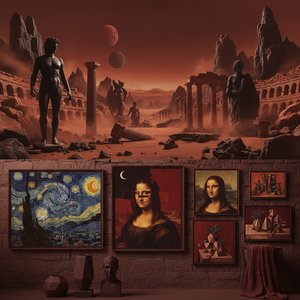
Odkryj 10 słynnych obrazów, w których dominuje głęboka czerń – od Rembrandta po Picassa. Poznaj historie artystów i techniki tworzenia mrocznych arcydzieł. Reprodukcje najwyższej jakości na Most-Famous-Paintings.com! Eksploruj kolekcję online.


Bądź na bieżąco z najnowszymi wiadomościami ze świata sztuki, ekskluzywnymi ofertami i inspiracjami dekoratorskimi.
Opowiedz nam o swoim projekcie, a nasi eksperci od sztuki przygotują dla Ciebie 3 spersonalizowane propozycje dzieł sztuki.
Pozwól nam przygotować 3 propozycje specjalnie dla Ciebie – za darmo!


 Preview
 Udostępnij
 Udostępnij
 Szczegóły dzieła

 Pobierz
 Podobne obiekty
 RTG
RTG Pokaz slajdów
 Rozwiń treść







 Opcja szkła jest dostępna wyłącznie w rozmiarach poniżej 110 cm