


x

 Acrylic On CanvasWallArtAbstract Expressionism
 1962
1962 279.0 x 235.0 cm
Druk giclée lub płótno o jakości muzealnej, szybka realizacja i szeroki wybór opcji wykończenia. ( Zamów ręcznie malowaną reprodukcję Kup obraz wysokiej rozdzielczości)





























Wybierz spośród naszych standardowych rozmiarów, które zachowują oryginalne proporcje dzieła sztuki.

Możesz wprowadzić własne wymiary, aby dopasować dzieło do konkretnej ramy lub przestrzeni. Jeśli wybrany rozmiar nie będzie odpowiadał proporcjom oryginalnego obrazu, przytniecie dzieło lub rozszerzymy obraz za pomocą odbicia lustrzanego lub jednolitego wypełnienia krawędzi. Przed rozpoczęciem produkcji prześlemy cyfrową wizualizację do Twojej akceptacji.
Prosimy pamiętać, że podgląd na ekranie nie odzwierciedla faktycznego przycinania ani rozszerzania. Tylko wizualizacja dokładnie pokaże końcową kompozycję.
Mimo dostępności niestandardowych rozmiarów, zalecamy wybór wymiaru z listy zdefiniowanej, aby zachować oryginalne proporcje.
Dostawa na cały świat () w ciągu 2 tygodni zamiast standardowych 4/5 tygodni. (21 Sierpień)


Untitled (Harvard Mural sketch)
Wymiary reprodukcji
Mark Rothko’s “Untitled (Harvard Mural sketch)” is not merely a preparatory drawing; it's a concentrated distillation of the artist’s core philosophy – a profound exploration of human emotion through the austere language of color and form. Created in 1962, during his ambitious undertaking to design a mural for Harvard University’s Holyoke Center, this piece offers an intimate glimpse into Rothko’s creative process, revealing the genesis of monumental works that would later captivate audiences worldwide. The sketch itself is deceptively simple: a large, white square dominates the composition, set against a stark red background. Yet, within this reductive arrangement lies a wealth of potential – a pregnant pause before the explosion of color and feeling that characterizes his mature paintings.
(Image source: Harvard Art Museums)
Born in Daugavpils, Latvia, in 1903 – a region steeped in historical and personal displacement – Mark Rothko’s early life profoundly shaped his artistic vision. The anxieties of a Jewish family living under the shadow of pogroms and political instability instilled within him a deep sensitivity to human suffering, a theme that would become a recurring motif throughout his oeuvre. This sketch, created during a period of intense experimentation, reflects this preoccupation with existential themes. Rothko’s move to Portland, Oregon, in 1913, marked a significant shift, exposing him to the burgeoning American art scene and influencing his evolving style. The Harvard mural project itself was a pivotal moment, pushing him to explore large-scale color relationships – a trajectory that ultimately led to the development of his signature “color field” paintings.
The deliberate simplicity of this sketch is crucial to understanding Rothko’s artistic intent. He abandoned traditional representational techniques, opting instead for abstract forms that aimed to evoke direct emotional responses in the viewer. The red background isn't merely a backdrop; it acts as an active element, intensifying the impact of the white square and creating a sense of contained energy. The loose lines and monochromatic palette on cream paper suggest a preliminary study – a fleeting moment captured before the final, more considered application of color. Rothko’s process was often described as intuitive; he would apply layers of paint, allowing them to bleed and merge, seeking to create an atmosphere of profound stillness and contemplation.
The influence of the Rothko Chapel in Houston, Texas, is undeniable. Commissioned by John and Dominique de Menil, this non-denominational space features fourteen monumental paintings by Rothko – a testament to his belief that color could transcend religious or philosophical boundaries. The Chapel’s architecture, designed with Rothko's input, mirrors the contemplative nature of his art, creating an environment conducive to spiritual reflection. The sketch for the Harvard mural shares a similar spirit of quiet intensity, hinting at the monumental works that would ultimately find their home within this sacred space. Studying this preparatory drawing offers a unique opportunity to appreciate the evolution of Rothko’s artistic vision and the profound impact he had on the development of abstract expressionism.
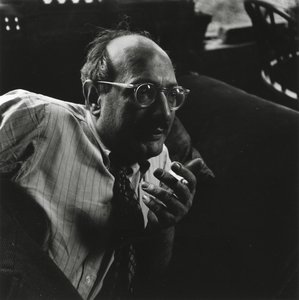
1903 - 1970 , Łotwa

Explore the profound emotional depth of Color Field painting. Discover the history of mid-century abstraction, from Rothko to Newman, and learn how pure color transforms the viewer's experience through our expert art history guide.

Explore the profound emotional depth of Color Field painting. Our expert guide delves into the post-war origins of Abstract Expressionism, analyzing masterpieces by Rothko and Newman. Discover museum-grade, hand-painted oil reproductions that bring art history to your walls.

Explore the profound history and emotional depth of Color Field painting. From Mark Rothko to Barnett Newman, discover how pure color redefined modern art through our expert-led guide for students and collectors alike.

Explore the profound history and emotional depth of Abstract Expressionism. From Jackson Pollock to Mark Rothko, master the nuances of the New York School through our expert art history guide. Discover museum-quality hand-painted reproductions for your collection.


Bądź na bieżąco z najnowszymi wiadomościami ze świata sztuki, ekskluzywnymi ofertami i inspiracjami dekoratorskimi.
Opowiedz nam o swoim projekcie, a nasi eksperci przygotują dla Ciebie 3 spersonalizowane propozycje dzieł sztuki.
Przygotujemy dla Ciebie 3 propozycje zupełnie za darmo!


 Podgląd w skali
 Wyślij jako kartkę
 Udostępnij
 Szczegóły dzieła

 Pobierz
 Podobne obiekty
 RTG
RTG Pokaz slajdów
 Rozwiń treść







 Opcja ze szkłem jest dostępna wyłącznie w rozmiarach poniżej 110 cm


