x

 Oil On CanvasWallArtEarly Netherlandish Painting
 1467Renaissance
 221.0 x 161.0 cm
 Muzeum Narodowe w Gdańsku
Druk giclée lub płótno o jakości muzealnej, szybka realizacja i szeroki wybór opcji wykończenia. ( Zamów ręcznie malowaną reprodukcję Kup obraz wysokiej rozdzielczości)





























Wybierz spośród naszych standardowych rozmiarów, które zachowują oryginalne proporcje dzieła sztuki.

Możesz wprowadzić własne wymiary, aby dopasować dzieło do konkretnej ramy lub przestrzeni. Jeśli wybrany rozmiar nie będzie odpowiadał proporcjom oryginalnego obrazu, przytniecie dzieło lub rozszerzymy obraz za pomocą odbicia lustrzanego lub jednolitego wypełnienia krawędzi. Przed rozpoczęciem produkcji prześlemy cyfrową wizualizację do Twojej akceptacji.
Prosimy pamiętać, że podgląd na ekranie nie odzwierciedla faktycznego przycinania ani rozszerzania. Tylko wizualizacja dokładnie pokaże końcową kompozycję.
Mimo dostępności niestandardowych rozmiarów, zalecamy wybór wymiaru z listy zdefiniowanej, aby zachować oryginalne proporcje.
Dostawa na cały świat () w ciągu 2 tygodni zamiast standardowych 4/5 tygodni. (15 Sierpień)


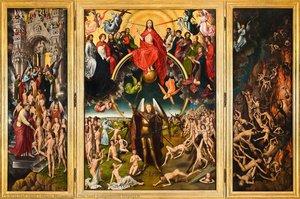
Last Judgment Triptych (open)
Wymiary reprodukcji
The Last Judgment Triptych by Hans Memling, completed in 1467, is more than just a religious painting; it’s a meticulously crafted meditation on mortality, judgment, and the enduring power of faith. Measuring 221 x 161 cm, this triptych offers an immersive experience into the heart of Early Netherlandish art – a style renowned for its startling realism, profound spiritual depth, and the almost sculptural quality of its figures. Created during Memling’s peak period in Bruges, the painting exemplifies his mastery of detail and his ability to evoke powerful emotional responses from the viewer.
The Last Judgment was a central theme in medieval Christian art, representing the day of reckoning when all souls would be judged by God. Memling’s triptych meticulously depicts this event, rich with symbolic meaning. The presence of objects like the clock – a reminder of the fleeting nature of time – and the book – symbolizing divine law – underscores the urgency of the moment. The diverse group of figures represents humanity in its entirety, reflecting the universality of judgment. Note the inclusion of angels, representing divine grace and mercy, alongside demons, embodying sin and damnation.
Created in Bruges during the Burgundian period, this triptych reflects the city’s status as a major European center for art and commerce. Bruges was a hub for wealthy patrons – merchants and nobles – who commissioned works like this one, fueling the artistic innovation of artists such as Memling. The painting speaks to the anxieties and beliefs of a society grappling with religious upheaval and the constant awareness of mortality. It’s a testament to the enduring power of faith in a world facing uncertainty.
The Last Judgment Triptych continues to resonate with viewers today, not just for its technical brilliance but also for its profound emotional impact. Memling’s ability to capture the vulnerability and despair of human souls is truly remarkable. The painting forces us to confront our own mortality and consider the consequences of our actions. It's a work that demands contemplation and invites reflection on the fundamental questions of life, death, and judgment – a timeless masterpiece that transcends its historical context.

Niemcy

Odkryj 10 arcydzieł wczesnoniderlandzkiego malarstwa! Poznaj historie van Eycka, Weydena i Memlinga. Reprodukcje obrazów najwyższej jakości dla Twojego wnętrza. Inspiracje i dekoracje ścienne na Most-Famous-Paintings.com

Odkryj fascynujący świat malarstwa niderlandzkiego XV i XVI wieku! Poznaj mistrzów realizmu, ich techniki i ukrytą symbolikę. Ekspercka analiza dzieł van Eycka, Weydena i Memlinga na Most-Famous-Paintings.

Odkryj 10 arcydzieł wczesnego renesansu niderlandzkiego! Poznaj historie van Eycka, Rogiera van der Weydena i innych mistrzów. Reprodukcje obrazów najwyższej jakości dla Twojego wnętrza – Most-Famous-Paintings.com

Odkryj fascynujący świat malarstwa niderlandzkiego XV-XVI wieku! Poznaj geniusz Jana van Eycka i Roberta Campina, pionierów realizmu. Analiza technik, tematów i wpływu na sztukę europejską.
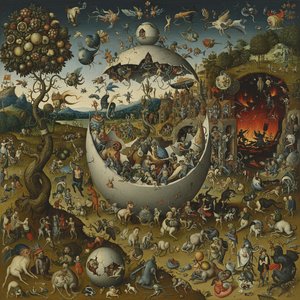
Odkryj 25 arcydzieł Hieronymusa Boscha – mistrza niderlandzkiego renesansu! Poznaj fascynujące historie, symbolikę i techniki malarskie tego niezwykłego artysty. Reprodukcje obrazów najwyższej jakości na Most-Famous-Paintings.com. Eksploruj pełną kolekcję online!


Bądź na bieżąco z najnowszymi wiadomościami ze świata sztuki, ekskluzywnymi ofertami i inspiracjami dekoratorskimi.
Opowiedz nam o swoim projekcie, a nasi eksperci przygotują dla Ciebie 3 spersonalizowane propozycje dzieł sztuki.
Przygotujemy dla Ciebie 3 propozycje zupełnie za darmo!


 Podgląd w skali
 Wyślij jako kartkę
 Udostępnij
 Szczegóły dzieła

 Pobierz
 Podobne obiekty
 RTG
RTG Pokaz slajdów
 Rozwiń treść







 Opcja ze szkłem jest dostępna wyłącznie w rozmiarach poniżej 110 cm