O artyście
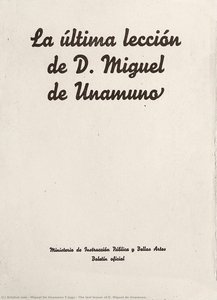
A Life Forged in Basque Soil: The Existential Journey of Miguel de Unamuno
Miguel de Unamuno y Jugo, born in the vibrant port city of Bilbao, Spain, on September 29, 1864, was destined to become a profound and often turbulent figure in Spanish intellectual history. His early life, shadowed by the sudden loss of his father at just six years old, instilled within him a lifelong preoccupation with mortality – a theme that would relentlessly inform his philosophical inquiries and artistic expressions. From his Basque roots, Unamuno embarked on an extraordinary journey, navigating academia, political upheaval, and ultimately, a deeply personal struggle to reconcile faith and reason. Educated initially in the Vizcaino Institute of Bilbao and later at the prestigious University of Madrid – where he earned a doctorate in philosophy and letters in 1883 – his intellectual curiosity was ignited early on, leading him down paths that would challenge conventional thinking and leave an indelible mark on Spanish literature and thought.
Between Academia and Activism: A Restless Spirit
Unamuno’s academic career began at the University of Salamanca in 1897, where he initially taught Greek – a subject he approached with a passionate intensity that reflected his broader engagement with classical thought. However, it was not merely a professorship that defined him; Unamuno possessed an unyielding spirit and a deep-seated conviction to challenge established norms. He quickly rose through the ranks, eventually becoming Rector of the University in 1901 – a position he held for over a decade, though one marked by considerable controversy due to his outspoken criticism of political authorities and societal conventions. His tenure was far from tranquil; Unamuno refused to shy away from expressing his opinions, often clashing with conservative regimes and challenging prevailing social attitudes. A fervent supporter of the Allied cause during World War I, he faced dismissal from the university in 1914, followed by exile under the repressive dictatorship of Miguel Primo de Rivera in 1924. This period of forced displacement demonstrated his resilience and unwavering commitment to his principles. He returned to Spain after the fall of the Primo de Rivera regime, only to be re-elected Rector of Salamanca University in 1931 – a testament to his enduring influence – before once again being removed in 1936 following his denunciation of Falangists during the tumultuous Spanish Civil War. This final act led to house arrest and ultimately, his untimely death later that same year.
The Agony of Existence: Literary and Philosophical Explorations
Unamuno’s legacy rests upon a remarkably diverse body of work – essays, novels, poetry, and dramatic works – often blurring the lines between these genres. His most influential writings grapple with profound philosophical questions concerning the nature of existence, faith, reason, and the human condition. *The Tragic Sense of Life* (1912), perhaps his most celebrated essay, delves into the inherent conflict between our desire for immortality and the inescapable reality of death, arguing that this very tension – what he termed “agony” – is fundamental to the human experience. His novels, such as *Abel Sánchez: The History of a Passion* (1917) and *Mist* (1914), explore themes of love, loss, identity, and the struggle for meaning in a seemingly absurd world. Furthermore, his novella *San Manuel Bueno, mártir* (1932) stands as a poignant masterpiece, offering a deeply moving meditation on faith, doubt, deception, and the human capacity for self-deception – a work that continues to resonate with readers today. Unamuno’s writing style is characterized by its passionate intensity, lyrical prose, and relentless questioning—a direct reflection of his own internal struggles and intellectual fervor.
A Bridge Between Eras: Influences and Enduring Significance
While Unamuno's work doesn't neatly align with any single philosophical school, it undeniably anticipated many themes later explored in existentialism. He engaged deeply with the ideas of positivism and socialism, yet ultimately forged his own unique path, prioritizing individual experience and subjective truth. He is often considered a key figure within the *Generación del 98* – a group of Spanish intellectuals who responded to Spain’s crisis of identity following the loss of its colonies in the late nineteenth century. However, his relationship with this generation was complex and nuanced, marked by both solidarity and disagreement. Unamuno's writings profoundly influenced subsequent generations of Spanish writers and philosophers, challenging traditional beliefs and prompting fundamental questions about human existence. His work continues to be studied and debated today, demonstrating its enduring relevance in a world grappling with similar existential dilemmas.
A Final Silence: Death and Remembrance
Miguel de Unamuno died on December 31, 1936, in Salamanca, Spain, shortly after being removed from his position as Rector and placed under house arrest during the Spanish Civil War. The cause of death was attributed to a heart attack, but it’s widely believed that the psychological strain of his political activism and the turmoil surrounding the conflict contributed significantly to his demise. Despite his untimely passing, Unamuno's legacy endures through his writings, his intellectual influence, and the Casa Museo Unamuno in Salamanca – a museum dedicated to preserving his life and work, offering intimate insights into his personal world and providing a space for reflection on his profound contributions to Spanish culture and thought.



 Zamów ręcznie malowaną reprodukcję






 Podgląd w skali
 Wyślij jako kartkę
 Udostępnij
 Szczegóły dzieła

 Pobierz
 Podobne obiekty
 RTG
RTG Pokaz slajdów
 Rozwiń treść




































 Opcja ze szkłem jest dostępna wyłącznie w rozmiarach poniżej 110 cm