x


Druk giclée lub płótno o jakości muzealnej z szybką realizacją i szerokim wyborem opcji wykończenia. ( Switch to hand made Painting Switch to Image)





























Wybierz spośród naszych predefiniowanych rozmiarów, które zachowują oryginalne proporcje dzieła sztuki.

Możesz wprowadzić własne wymiary, aby dopasować dzieło do konkretnej ramy lub przestrzeni. Jeśli wybrany rozmiar nie będzie odpowiadał proporcjom oryginalnego obrazu, przytniecie dzieło lub rozszerzymy obraz za pomocą odbicia lustrzanego lub jednolitego wypełnienia krawędzi. Przed rozpoczęciem produkcji prześlemy cyfrową wizualizację do Twojej akceptacji.
Prosimy pamiętać, że podgląd na ekranie nie odzwierciedla faktycznego przycinania ani rozszerzania. Tylko wizualizacja dokładnie pokaże końcową kompozycję.
Mimo dostępności niestandardowych rozmiarów, zalecamy wybór wymiaru z listy zdefiniowanej, aby zachować oryginalne proporcje.
Dostawa na cały świat () w ciągu 2 tygodni zamiast standardowych 4/5 tygodni. (29 Lipiec)


Para III
Wymiary reprodukcji
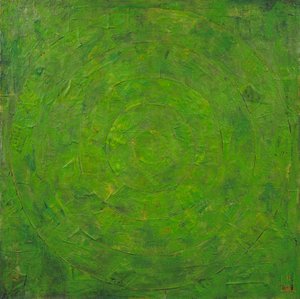
Morris Louis (1912–1962), an American Color Field painter, revolutionized abstract art in the mid-century with his groundbreaking approach to pigment application. His monumental canvases like “Para III,” created in 1959, exemplify this distinctive style—a deliberate rejection of traditional representation and a fervent embrace of pure color as expressive language.
“Para III” immediately captivates viewers with its overwhelming vibrancy. Dominating the canvas is a tapestry of crimson, scarlet, and magenta hues that bleed outwards from vertical bands of pigment, creating an illusion of flowing light and movement. The artist’s meticulous technique—the pioneering use of Magna paint—allowed for unprecedented control over color dispersion and layering, resulting in a surface texture that resembles solidified wax.
Louis's method involved pouring Magna onto unstretched canvas, allowing the pigment to spread organically across the surface. This process eschewed brushes entirely, prioritizing spontaneity and responding directly to the interplay of light and atmosphere. The resulting “silkscreen” effect is not merely accidental; it’s a calculated decision designed to convey an emotional state—a profound contemplation of nature and a yearning for transcendence.
Influenced by artists like Ralph Albert Blakelock and William James Glackens, Louis sought to capture the essence of feeling rather than depicting visual details. Blakelock's tonalist landscapes – particularly “Moonlight” – instilled in Louis a fascination with capturing subtle gradations of color and conveying mood through atmospheric perspective. Similarly, Glackens’ still lifes—such as “Still Life with Roses & Fruit”—demonstrated the power of color to evoke emotion and stimulate contemplation.
“Para III” resonates deeply with viewers due to its ability to bypass rational thought and tap into primal instincts. The bold colors pulsate with energy, mirroring the dynamism of the natural world—specifically, the forest setting depicted in Blakelock’s work. It's a piece that invites introspection and encourages contemplation on themes of beauty, solitude, and spiritual awakening.
Furthermore, Louis’s exploration of Magna paint represents a significant advancement in pigment technology. This acrylic emulsion, developed specifically for him by Leo Newman, offered superior adhesion and color stability compared to conventional oil paints, allowing for greater artistic freedom and expanding the possibilities of Color Field painting.


1912 - 1962 , Stany Zjednoczone Ameryki
Odkryj 25 arcydzieł Kazimira Malevicha – pioniera suprematyzmu i abstrakcji. Poznaj historie, techniki i inspiracje za 'Czarnym Kwadratem' i innymi kultowymi dziełami. Reprodukcje najwyższej jakości na Most-Famous-Paintings.com.

Explore the captivating world of Beatrice Parsons, a pioneering British abstract expressionist. Discover her journey from garden watercolors to evocative color field paintings and learn about her place within art history.

Explore the profound spiritual resonance of Color Field Painting with insights into Rothko, Newman & Still. Discover the techniques & legacy of this influential abstract art movement.
Odkryj 25 arcydzieł Marka Rothko – mistrza abstrakcji i koloru. Poznaj historie, techniki i emocje kryjące się za jego płótnami. Reprodukcje obrazów najwyższej jakości na Most-Famous-Paintings.com. Eksploruj kolekcję online!
Odkryj 25 arcydzieł Wassily Kandinskiego – pioniera abstrakcji i ekspresjonizmu! Poznaj historie, techniki i emocje kryjące się za jego kolorowymi kompozycjami. Reprodukcje obrazów najwyższej jakości na Most-Famous-Paintings.com. Eksploruj pełną kolekcję online!


Bądź na bieżąco z najnowszymi wiadomościami ze świata sztuki, ekskluzywnymi ofertami i inspiracjami dekoratorskimi.
Opowiedz nam o swoim projekcie, a nasi eksperci od sztuki przygotują dla Ciebie 3 spersonalizowane propozycje dzieł sztuki.
Pozwól nam przygotować 3 propozycje specjalnie dla Ciebie – za darmo!


 Preview
 Udostępnij
 Udostępnij
 Szczegóły dzieła

 Pobierz
 Podobne obiekty
 RTG
RTG Pokaz slajdów


 Rozwiń treść







 Opcja szkła jest dostępna wyłącznie w rozmiarach poniżej 110 cm