x


 OilWallArtBaroque Classicism
 1639
1639 95.0 x 121.0 cm
Kup wysokiej rozdzielczości, ulepszony obraz cyfrowy, znacznie lepszy niż podgląd online.
Każdy plik jest starannie przygotowywany przez naszych specjalistów przy użyciu zaawansowanych narzędzi oraz profesjonalnej, ręcznej retuszy. Dbamy o to, aby każdy obraz cechował się wyjątkową ostrością, precyzyjnym odwzorowaniem kolorów i subtelnymi detalami.
Ostateczny plik dostarczany jest drogą mailową w ciągu 72 godzin, zoptymalizowany do natychmiastowego wykorzystania w profesjonalnych zastosowaniach redakcyjnych i poligraficznych. To ta sama jakość, której ufają czołowe studia projektowe, wydawnictwa oraz galerie sztuki.
Pobierz plik o wysokiej rozdzielczości do osobistego wyświetlania, druku oraz projektów kreatywnych. ( Switch to Print Switch to hand made Painting)
Wybierając Most-Famous-Paintings.com, nie otrzymujesz jedynie obrazu – otrzymujesz profesjonalnie udoskonalone cyfrowe dzieło sztuki, stworzone z najwyższą precyzją i objęte gwarancją satysfakcji. Oto wszystko, co automatycznie dołączane jest do Twojego zamówienia:

Plik z obrazem cyfrowym w wysokiej rozdzielczości zostanie przesłany na Twój adres e-mail w ciągu 72 godzin od złożenia zamówienia – gotowy do natychmiastowego użycia.

Twoja grafika została profesjonalnie zoptymalizowana przy użyciu zaawansowanych narzędzi AI oraz ręcznej edycji, co zapewnia maksymalną szczegółowość, klarowność i wierność kolorów.

Przypadkowo usunąłeś lub zgubiłeś swój plik? Bez obaw – prześlemy go Tobie ponownie w dowolnym momencie, bez żadnych opłat.

Ciesz się swoją sztuką natychmiast, bez żadnych opłat celnych, należności ani kosztów dostawy – pliki cyfrowe są zawsze wolne od podatku.

Dzięki zastosowaniu profesjonalnych narzędzi i procesów zarządzania barwą zapewniamy, że Twoje cyfrowe zdjęcie odzwierciedla oryginalne kolory tak wiernie, jak to tylko możliwe.

Jeśli nie będziesz zadowolony ze swojego cyfrowego obrazu, poprawimy go lub zwrócimy 100% kosztów w ciągu 60 dni – bez żadnych pytań.

Nie zadowoleni? Otrzymaj pełny zwrot kosztów w ciągu 60 dni od otrzymania pliku cyfrowego – bez zbędnych pytań.

Kup 3 obrazy, oszczędź 10% - Kup 5, oszczędź 15% - Kup 10+, oszczędź 20%. Idealne do projektów kreatywnych, galerii i agencji.
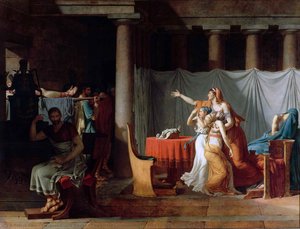
Nicolas Poussin’s “Extreme Unction,” painted in 1639, is not merely a depiction of a religious ritual; it's a profoundly moving meditation on mortality, faith, and the acceptance of life’s inevitable end. Commissioned by Cassiano del Pozzo, an avid collector of antiquities and works of art, this painting forms part of Poussin’s ambitious “Seven Sacraments” series – a project that sought to visually illustrate the core tenets of Roman Catholicism. The work, now residing in the National Gallery in London alongside its companions, offers a rare glimpse into 17th-century European religious practice and the deeply personal experience of death and dying.
Poussin’s masterful command of Classicism is immediately evident. He eschews the dramatic theatricality often associated with Baroque painting for a carefully constructed scene imbued with order, harmony, and an almost unsettling serenity. The composition is meticulously balanced; the figures are arranged in a pyramidal structure that draws the eye towards the central figure receiving the last rites. The use of muted earth tones – ochres, browns, and greys – creates a somber atmosphere, punctuated by subtle highlights that emphasize the textures of the fabrics and the pallor of the dying man’s skin. Poussin's signature technique—a deliberate layering of thin glazes of oil paint—allows for remarkable luminosity and depth, capturing both the physical presence of the individuals and the ethereal quality of the spiritual realm.
“Extreme Unction” vividly portrays the sacrament itself. The scene unfolds within a modest chamber, dominated by two simple benches that suggest a sense of quiet contemplation. A bowl, positioned near the dying man, is a crucial element – it represents the oil used in the ritual, symbolizing healing and purification. The presence of multiple attendants—mourners, priests, and assistants—underscores the communal nature of this sacred act. Notably, Poussin doesn’t depict overt grief or despair; instead, there's an air of acceptance, a quiet dignity that speaks to the spiritual preparation for death. The inclusion of the two benches in the background adds depth to the composition, creating a sense of space and suggesting the continuity between life and eternity.
The identity of the dying man remains deliberately ambiguous, adding to the painting’s universality. He is not a specific historical figure but rather an archetype – a representation of humanity facing its mortality. The priest administering the sacrament is similarly anonymous, further emphasizing the sacred nature of the event itself. Poussin's careful attention to detail—the folds of the robes, the expressions on the faces of the mourners—reveals his deep understanding of human anatomy and psychology. He doesn’t simply record a scene; he conveys an emotional truth about the human condition.
“Extreme Unction” is more than just a religious painting; it's a testament to Poussin’s artistic genius and his ability to infuse classical principles with profound emotional resonance. The work reflects the influence of Renaissance masters, particularly Raphael, whose emphasis on clarity, proportion, and idealized beauty informed Poussin’s own style. However, Poussin transcends mere imitation; he transforms these influences into something uniquely his own—a synthesis of intellectual rigor and spiritual sensitivity.
The painting's enduring appeal lies in its ability to evoke a sense of both melancholy and hope. It acknowledges the inevitability of death but also celebrates the possibility of redemption and eternal life. As part of The Seven Sacraments, “Extreme Unction” serves as a poignant reminder of the importance of faith, compassion, and the acceptance of our shared mortality. Today, its preservation stands as a vital link to the artistic and spiritual landscape of 17th-century Europe, offering viewers an opportunity to contemplate profound questions about life, death, and the mysteries of the human soul.


1594 - 1665 , Francja


Bądź na bieżąco z najnowszymi wiadomościami ze świata sztuki, ekskluzywnymi ofertami i inspiracjami dekoratorskimi.
Opowiedz nam o swoim projekcie, a nasi eksperci od sztuki przygotują dla Ciebie 3 spersonalizowane propozycje dzieł sztuki.
Pozwól nam przygotować 3 propozycje specjalnie dla Ciebie – za darmo!


 Preview
 Udostępnij
 Udostępnij
 Szczegóły dzieła

 Pobierz
 Podobne obiekty
 RTG
RTG Pokaz slajdów
 Rozwiń treść