


x

Ręcznie malowany obraz olejny na płótnie, wykonany na zamówienie przez naszych artystów w wybranym przez Ciebie wymiarze i oprawie. ( Przełącz na wydruk Przełącz na obraz)





























Wybierz spośród naszych standardowych rozmiarów, które zachowują oryginalne proporcje dzieła sztuki.

Możesz wprowadzić własne wymiary, aby dopasować obraz do konkretnej ramy lub przestrzeni. Jeśli wybrany rozmiar nie będzie odpowiadał proporcjom oryginału, przytniecie dzieło sztuki lub rozszerzymy je o dodatkowe elementy, ręcznie domalowane przez artystę. Przed rozpoczęciem produkcji wyślemy projekt cyfrowy do Twojej akceptacji.
Należy pamiętać, że podgląd na ekranie nie odzwierciedla rzeczywistego przycinania ani rozszerzania obrazu. Tylko projekt dokładnie pokaże ostateczną kompozycję.
Choć oferujemy możliwość zamówienia niestandardowych rozmiarów, zalecamy wybór wymiaru z gotowej listy, aby zachować oryginalne proporcje dzieła.
Dostawa na całym świecie () w ciągu 3–4 tygodni zamiast standardowych 5 tygodni. (4 Sierpień). Bez kompromisów w kwestii jakości.


Ophelia
Rozmiar reprodukcji
Odilon Redon's “Ophelia,” painted in 1903, stands as a haunting testament to the Symbolist movement’s fascination with psychological landscapes and the subconscious. More than just a depiction of Shakespeare’s tragic heroine—a young woman drowning in the Thames after rejecting Hamlet’s affections—the painting delves into realms beyond rational observation, presenting an ethereal vision steeped in melancholic beauty.
The Symbolist movement emerged in France around 1890 as a reaction against Impressionism’s focus on capturing fleeting sensory impressions. Artists like Redon sought to express profound psychological and spiritual truths—often obscured by conscious thought—through evocative imagery and symbolic motifs. Influenced by thinkers such as Nietzsche and Freud, Symbolists explored themes of death, decay, and the subconscious mind, reflecting anxieties about modernity and questioning traditional moral values.
Redon’s masterful use of symbolism elevates “Ophelia” beyond a simple narrative illustration. The scattered flowers—lilacs, poppies, roses—represent beauty intertwined with fragility and impending doom, mirroring Ophelia's own vulnerability as she succumbs to despair. Similarly, the bird perched in the upper right corner symbolizes hope amidst sorrow, albeit a hope tinged with melancholy. Most powerfully, however, is the overarching impression of sadness conveyed through Redon’s muted palette and hazy brushstrokes—a visual embodiment of Ophelia’s inner turmoil.
"Ophelia" doesn't merely depict a scene from Shakespeare; it invites viewers into the protagonist’s tormented psyche. Redon succeeds in capturing the essence of grief and disillusionment, presenting an image that lingers long after viewing—a poignant reminder of the human capacity for profound emotion and the enduring power of art to communicate experiences beyond words.


1840 - 1916 , Francja

Odkryj 25 arcydzieł Metropolitańskiego Muzeum Sztuki! Van Gogh, Monet, Renoir i inni – historie artystów, techniki i inspiracje dla Twojego wnętrza. Reprodukcje najwyższej jakości na Most-Famous-Paintings.com. Eksploruj kolekcję online!

Odkryj 25 najpiękniejszych obrazów Dante Gabriela Rossettiego! Poznaj historię, symbolikę i techniki prerafaelitów. Reprodukcje najwyższej jakości do Twojego wnętrza – Most-Famous-Paintings.
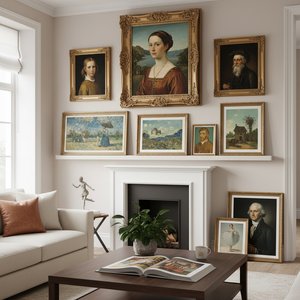
Odkryj 25 arcydzieł Galerii Narodowej w Waszyngtonie! Poznaj historie Cézanne'a, Matisse'a i Picassa. Inspiracje wnętrzarskie, reprodukcje obrazów najwyższej jakości na Most-Famous-Paintings.com – sztuka dla Twojego domu.
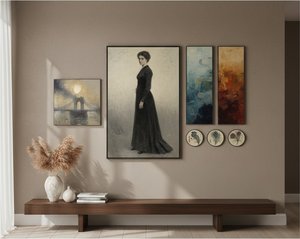
Odkryj 25 arcydzieł Jamesa Abbotta McNeilla Whistler'a! Poznaj historię impresjonistycznych pejzaży, portretów i słynnych 'Nokturnów'. Reprodukcje obrazów najwyższej jakości na Most-Famous-Paintings.com – inspiracje dla Twojego wnętrza.
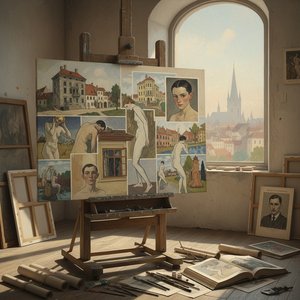
Odkryj 25 najbardziej znanych dzieł Egona Schiele – ikony ekspresjonizmu austriackiego. Poznaj historie, techniki i emocje ukryte w jego portretach i obrazach. Reprodukcje najwyższej jakości na Most-Famous-Paintings.com! Eksploruj pełną kolekcję online.


Bądź na bieżąco z najnowszymi wiadomościami ze świata sztuki, ekskluzywnymi ofertami i inspiracjami dekoratorskimi.
Opowiedz nam o swoim projekcie, a nasi eksperci przygotują dla Ciebie 3 spersonalizowane propozycje dzieł sztuki.
Pozwól nam przygotować 3 propozycje specjalnie dla Ciebie – za darmo!


 Podgląd w skali
 Wyślij
 Udostępnij
 Szczegóły

 Pobierz plik obrazu
 Podobne obiekty
 RTG
RTG Pokaz slajdów


 Czytaj więcej







 Opcja ze szkłem jest dostępna wyłącznie w rozmiarach poniżej 110 cm


