Sprzedawaj swoją sztukę
Lista życzeń Koszyk zakupowy Cart
Podgląd w skaliPodgląd w skali Podgląd ARPodgląd AR Zamów wydruk Zamów wydrukZamów ręcznie malowaną reprodukcję Zamów ręcznie malowaną reprodukcję Wyślij jako kartkęWyślij jako kartkę
Szczegóły dziełaSzczegóły dzieła Dodaj do ulubionych Dodaj do ulubionych PobierzPobierz Podobne obiektyPodobne obiekty RTGRTG Pokaz slajdówPokaz slajdów

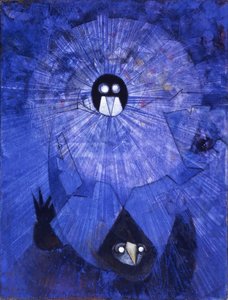
Untitled (320)

Explore Otto Mueller's evocative nudes & Romani subjects! A key Die Brücke Expressionist, his harmonious landscapes were condemned by the Nazis. Discover his art today.

Kup wysokiej rozdzielczości, ulepszony obraz cyfrowy o znacznie wyższej jakości niż podgląd online.

Każdy plik jest starannie przygotowywany przez naszych specjalistów przy użyciu zaawansowanych narzędzi oraz profesjonalnej, ręcznej retuszy. Dbamy o to, aby każdy obraz cechował się wyjątkową ostrością, precyzyjnym odwzorowaniem kolorów i subtelnymi detalami.

Ostateczny plik dostarczany jest drogą mailową w ciągu 72 godzin, zoptymalizowany do natychmiastowego wykorzystania w profesjonalnych zastosowaniach redakcyjnych i poligraficznych. To ta sama jakość, której ufają czołowe studia projektowe, wydawnictwa oraz galerie sztuki.

Obraz cyfrowy

Pobierz plik o wysokiej rozdzielczości do osobistego wyświetlania, druku oraz projektów kreatywnych. (Zamów wydruk Zamów wydrukZamów ręcznie malowaną reprodukcję Zamów ręcznie malowaną reprodukcję)

Suma do zapłaty

$ 24,90

W każdym zamówieniu na obraz cyfrowy znajduje się

Profesjonalna dostawa cyfrowa z gwarancją

Wybierając Most-Famous-Paintings.com, nie otrzymujesz jedynie obrazu – otrzymujesz profesjonalnie udoskonalone cyfrowe dzieło sztuki, stworzone z najwyższą precyzją i objęte gwarancją satysfakcji. Oto wszystko, co automatycznie dołączane jest do Twojego zamówienia:

shipping_icon
Błyskawiczna wysyłka e-mailowa

Plik z obrazem cyfrowym w wysokiej rozdzielczości zostanie przesłany na Twój adres e-mail w ciągu 72 godzin od złożenia zamówienia – gotowy do natychmiastowego użycia.

canvas_icon
Plik cyfrowy wzbogacony przez AI

Twoja grafika została profesjonalnie zoptymalizowana przy użyciu zaawansowanych narzędzi AI oraz ręcznej edycji, co zapewnia maksymalną szczegółowość, klarowność i wierność kolorów.

insurance_icon
Dożywotnia darmowa ponowna dostawa

Przypadkowo usunąłeś lub zgubiłeś swój plik? Bez obaw – prześlemy go Tobie ponownie w dowolnym momencie, bez żadnych opłat.

tax_icon
Bez opłat importowych – zawsze

Ciesz się swoją sztuką natychmiast, bez żadnych opłat celnych, należności ani kosztów dostawy – pliki cyfrowe są zawsze wolne od podatku.

color_icon
Gwarancja wierności kolorów

Dzięki zastosowaniu profesjonalnych narzędzi i procesów zarządzania barwą zapewniamy, że Twoje cyfrowe zdjęcie odzwierciedla oryginalne kolory tak wiernie, jak to tylko możliwe.

return_icon
60-dniowa gwarancja satysfakcji

Jeśli nie będziesz zadowolony ze swojego cyfrowego obrazu, dokonamy jego poprawki lub zwrócimy 100% kosztów w ciągu 60 dni – bez żadnych pytań.

guarantee_icon
100% Gwarancja zwrotu pieniędzy

Nie jesteś zadowolony? Otrzymaj pełny zwrot kosztów w ciągu 60 dni od otrzymania pliku cyfrowego – bez zbędnych pytań.

discount_icon
Rabaty przy zamówieniach hurtowych

Kup 3 obrazy, oszczędź 10% - Kup 5, oszczędź 15% - Kup 10+, oszczędź 20%. Idealne do projektów kreatywnych, galerii i agencji.



Biografia artysty

A Life Immersed in Color and Controversy: The World of Otto Müller

Otto Müller, a pivotal figure within the German Expressionist group Die Brücke (The Bridge), remains an artist whose work pulsates with raw emotion, spiritual yearning, and a profound connection to the natural world. Born in Liepāja, Latvia – then part of the Russian Empire – in 1874, his early life was marked by a restless spirit and a burgeoning artistic talent that quickly outgrew conventional academic training. He wasn’t drawn to meticulous realism but rather to capturing the *essence* of experience, a pursuit that would define his entire career. His father's profession as a merchant exposed him to diverse cultures and landscapes early on, fostering an openness to new perspectives which later manifested in his unique artistic style. Müller’s initial studies at the Düsseldorf Academy were short-lived; he found its rigid structure stifling, preferring instead to develop independently, absorbing influences from artists like Van Gogh, Gauguin, and Edvard Munch – masters who prioritized emotional intensity over precise representation. This rejection of academic norms was a crucial step in his journey toward becoming a founding member of Die Brücke in 1905.

The Bridge and the Search for Primal Expression

Die Brücke wasn’t merely an artistic collective; it was a brotherhood united by a shared desire to break free from societal constraints and explore the depths of human emotion through art. Müller, alongside Kirchner, Heckel, Schmidt-Rottluff, and Pechstein, sought to reconnect with a more primal form of expression, drawing inspiration from African sculpture, medieval woodcuts, and the uninhibited energy of folk art. This pursuit led to a distinctive aesthetic characterized by bold colors, distorted forms, and a deliberate rejection of traditional perspective. Müller’s contribution to Die Brücke was particularly notable for his depictions of nude figures – often set within lush, evocative landscapes – and his sensitive portrayals of Romani people (Gypsies). These subjects weren't simply representations; they embodied a longing for an authentic existence uncorrupted by modern civilization. His paintings from this period are imbued with a sense of melancholy and spiritual searching, reflecting the group’s broader anxieties about alienation and the loss of connection in an increasingly industrialized world. He wasn’t interested in portraying idyllic scenes but rather capturing the psychological weight of his subjects, their vulnerability and resilience.

A Unique Voice: Style and Symbolism

Müller's style evolved throughout his career, yet certain hallmarks remained consistent. His use of color was particularly striking – often employing jarring juxtapositions and intense hues to create a sense of emotional tension. He favored simplified forms and flattened perspectives, reminiscent of woodcuts, which contributed to the raw, almost visceral quality of his work. The landscapes in his paintings are rarely specific locations; they serve as psychological spaces, mirroring the inner states of his figures. The Romani people he depicted were not exoticized or romanticized but rather presented with dignity and empathy. He spent extended periods living amongst them, learning their customs and traditions, and striving to capture their unique worldview. Recurring motifs, such as trees, water, and the human body, held symbolic weight in his work. Trees often represented life force and connection to nature, while water symbolized purification and transformation. The nude figures, frequently depicted in poses of contemplation or vulnerability, embodied a longing for spiritual wholeness. His later works also reveal an interest in religious themes, particularly those related to the Passion of Christ, reflecting a lifelong fascination with spirituality and suffering.

Condemnation and Legacy: A Troubled Reception

Despite his artistic achievements, Müller’s career was marked by controversy and hardship. His work, along with that of other Expressionists, was deemed “degenerate” by the Nazi regime in 1937, and he was stripped of his professorship at the Breslau Academy. He was forbidden to paint and lived in relative isolation during World War II. This persecution, however, did not diminish his artistic vision; he continued to create art throughout this period, albeit with limited resources. After the war, Müller slowly regained recognition, but his work remained largely overlooked for many years. Today, Otto Müller is celebrated as one of the most important figures in German Expressionism. His paintings are admired for their emotional intensity, spiritual depth, and unique aesthetic sensibility. He paved the way for future generations of artists to explore the complexities of human experience through bold experimentation and uncompromising self-expression. His influence can be seen in the work of numerous contemporary painters who continue to grapple with themes of alienation, spirituality, and the search for meaning in a fragmented world. His comic strip series Ottifanten, created under a pseudonym during his later years, demonstrates an unexpected playful side to his artistic personality.