x


 Preview
 Zamów reprodukcję Kup cyfrowy obraz
 Udostępnij
 Szczegóły dzieła
 Dodaj do ulubionych
 Pobierz
 Podobne obiekty
 RTG
RTG
 Pokaz slajdów
 Olej na płótnieSztuka ściennaPost-Impressionism
 1879XIX wiek
 45.0 x 55.0 cm
Druk giclée lub płótno o jakości muzealnej z szybką realizacją i szerokim wyborem opcji wykończenia.





























Wybierz spośród naszych predefiniowanych rozmiarów, które zachowują oryginalne proporcje dzieła sztuki.

Możesz wprowadzić własne wymiary, aby dopasować dzieło do konkretnej ramy lub przestrzeni. Jeśli wybrany rozmiar nie będzie odpowiadał proporcjom oryginalnego obrazu, przytniecie dzieło lub rozszerzymy obraz za pomocą odbicia lustrzanego lub jednolitego wypełnienia krawędzi. Przed rozpoczęciem produkcji prześlemy cyfrową wizualizację do Twojej akceptacji.
Prosimy pamiętać, że podgląd na ekranie nie odzwierciedla faktycznego przycinania ani rozszerzania. Tylko wizualizacja dokładnie pokaże końcową kompozycję.
Mimo dostępności niestandardowych rozmiarów, zalecamy wybór wymiaru z listy zdefiniowanej, aby zachować oryginalne proporcje.
Dostawa na cały świat () w ciągu 2 tygodni zamiast standardowych 4/5 tygodni. (24 Lipiec)


Owoc - Owoce
Wymiary reprodukcji
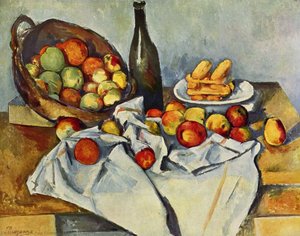
Paul Cézanne’s “Fruit,” painted in 1879, isn't merely a still life; it’s a pivotal moment in the history of art – a quiet revolution conducted with apples, bowls, and bottles. This deceptively simple composition, measuring just 45 x 55 cm, encapsulates Cézanne’s radical departure from traditional representation and his profound influence on the burgeoning movements that would reshape the 20th century. More than a depiction of everyday objects, it's an exploration of form, structure, and the very essence of seeing – a testament to Cézanne’s belief that art should capture not just what is *seen*, but how it is *felt*. The painting immediately draws the viewer in with its muted palette of ochres, browns, and greens, creating a sense of earthy solidity. Yet, within this apparent stillness lies an intense dynamism, born from Cézanne’s meticulous observation and his deliberate manipulation of perspective.
Initially, Cézanne's work faced skepticism and even ridicule from critics who found his style unconventional. However, figures like Camille Pissarro and Ambroise Vollard recognized his genius and championed his art, providing crucial support during a period of artistic transition. Vollard’s decision to organize a solo exhibition in 1895 proved pivotal, bringing Cézanne’s work to a wider audience and establishing him as a key figure in the development of modern art. His influence extended far beyond his immediate circle; artists like Henri Matisse and Pablo Picasso famously declared that “Cézanne is the father of us all,” acknowledging his profound impact on their own artistic explorations.
“Fruit” exemplifies this shift. Notice how Cézanne doesn't simply paint an apple; he dissects it, revealing its essential forms – the curves of the skin, the planes of the flesh, the subtle shadows that define its volume. This isn't a photograph; it’s a carefully constructed study in form and space, anticipating the geometric explorations of Cubism by decades. The artist meticulously breaks down each object into its fundamental shapes—cylinders, spheres, and cones—and then reassembles them on the canvas with an almost architectural precision. The bowls, bottles, and vase are not merely placed in the composition; they actively shape it, contributing to its overall structure. This deliberate use of texture and form was revolutionary at the time, challenging the conventions of academic painting and paving the way for a more abstract approach to representation.
Cézanne’s technique is instantly recognizable. He employed a series of repetitive, exploratory brushstrokes – often small and broken – to build up surfaces with layers of color. These aren't blended smoothly; instead, they retain their individual character, creating a textured, almost sculptural effect. Observe how he uses planes of color to define the shapes of the fruit and surrounding objects, suggesting depth and volume without relying on traditional perspective. The painting feels remarkably tactile—you can almost reach out and touch the rough skin of the apples or the cool surface of the ceramic bowl. This deliberate manipulation of texture wasn’t just a stylistic choice; it was a fundamental rethinking of how artists could represent three-dimensional space on a two-dimensional surface.
While seemingly simple, “Fruit” is rich in symbolic meaning. The arrangement of objects—the abundance of fruit, the humble tableware—suggests themes of nourishment, domesticity, and the beauty of everyday life. The muted color palette evokes a sense of quiet contemplation and timelessness. Some art historians have interpreted the painting as a meditation on mortality, with the decaying fruit representing the fleeting nature of time and beauty. The careful composition also reflects Cézanne’s fascination with mathematics and geometry, suggesting that he saw the world as an intricate system of interconnected forms. Ultimately, “Fruit” is not just a depiction of objects; it's a profound exploration of human perception and the relationship between art and reality.
Most-Famous-Paintings offers exquisite hand-painted reproductions of Paul Cézanne’s “Fruit,” meticulously crafted by our team of skilled artists. Each reproduction captures the essence of the original painting, faithfully recreating its subtle color palette, textured brushstrokes, and dynamic composition. Whether you're an art enthusiast, a collector seeking to expand your collection, or simply looking for a stunning piece of artwork to enhance your interior space, a Most-Famous-Paintings reproduction of “Fruit” is a timeless investment – a tangible connection to one of the most influential artists in modern history. Explore our range of sizes and framing options today and bring this revolutionary work into your world.


1839 - 1906 , Francja
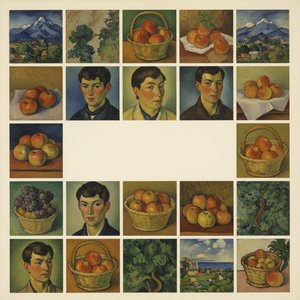
Odkryj 25 arcydzieł Paula Cézanne'a – od impresjonizmu po postimpresjonizm. Poznaj historie, techniki i inspiracje malarza, który zrewolucjonizował sztukę. Reprodukcje obrazów najwyższej jakości na Most-Famous-Paintings.com!
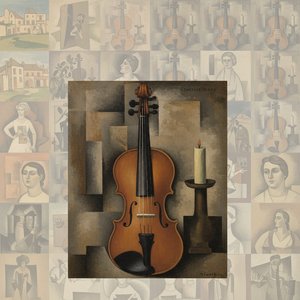
Odkryj 25 arcydzieł Georges'a Braque – pioniera kubizmu i malarstwa nowoczesnego. Poznaj historię, techniki i inspiracje za jego najsłynniejszymi obrazami. Reprodukcje najwyższej jakości na Most-Famous-Paintings.com! Eksploruj pełną kolekcję online.

Odkryj 25 najpiękniejszych arcydzieł Claude Moneta – impresjonistycznych pejzaży, nymfeii i słonecznych krajobrazów. Poznaj historię sztuki i zainspiruj się do dekoracji wnętrz z Most-Famous-Paintings.com! Eksploruj pełną kolekcję online.

Explore the rich history of still life painting with Most-Famous-Paintings. Discover Dutch Masters, decode vanitas symbolism & learn about collecting timeless art. Expert insights and museum-quality reproductions.

Explore the rich history of still life painting & the symbolism of fruit across art movements. Discover masterpieces from Caravaggio to Cézanne with Most-Famous-Paintings – expert guidance & museum-quality reproductions.


Bądź na bieżąco z najnowszymi wiadomościami ze świata sztuki, ekskluzywnymi ofertami i inspiracjami dekoratorskimi.
Opowiedz nam o swoim projekcie, a nasi eksperci od sztuki przygotują dla Ciebie 3 spersonalizowane propozycje dzieł sztuki.
Pozwól nam przygotować 3 propozycje specjalnie dla Ciebie – za darmo!


 Udostępnij

 Rozwiń treść







 Opcja szkła jest dostępna wyłącznie w rozmiarach poniżej 110 cm