x

 Olej na płótnieSztuka ściennaPost-Impressionism
 1878XIX wiek
 52.0 x 56.0 cm
Ręcznie malowany obraz olejny na płótnie, wykonany na zamówienie przez naszych artystów w wybranym przez Ciebie wymiarze i oprawie. ( Zamów wydruk Kup obraz wysokiej rozdzielczości)





























Wybierz spośród naszych standardowych rozmiarów, które zachowują oryginalne proporcje dzieła sztuki.

Możesz wprowadzić własne wymiary, aby dopasować obraz do konkretnej ramy lub przestrzeni. Jeśli wybrany rozmiar nie będzie odpowiadał proporcjom oryginału, przytniecie dzieło sztuki lub rozszerzymy je o dodatkowe elementy, ręcznie domalowane przez artystę. Przed rozpoczęciem produkcji wyślemy projekt cyfrowy do Twojej akceptacji.
Należy pamiętać, że podgląd na ekranie nie odzwierciedla rzeczywistego przycinania ani rozszerzania obrazu. Tylko projekt dokładnie pokaże ostateczną kompozycję.
Choć oferujemy możliwość zamówienia niestandardowych rozmiarów, zalecamy wybór wymiaru z gotowej listy, aby zachować oryginalne proporcje dzieła.
Dostawa na całym świecie () w ciągu 3–4 tygodni zamiast standardowych 5 tygodni. (16 Sierpień). Bez kompromisów w kwestii jakości.


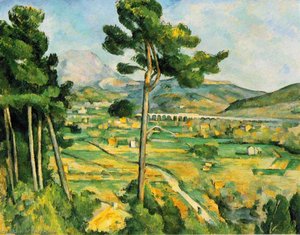
Staw Jas de Bouffan
Wymiary reprodukcji
Paul Cézanne's *The Pond of the Jas de Bouffan*, painted in 1878, is more than a simple landscape; it’s a pivotal moment in art history—a bridge between the fleeting impressions of Impressionism and the nascent geometric explorations of Cubism. This captivating oil on canvas, measuring just 52 x 56 cm, offers a profound meditation on nature, light, and the very act of seeing. Nestled within the picturesque setting of the Jas de Bouffan estate near Aix-en-Provence—a place deeply intertwined with Cézanne’s family history—the painting captures a tranquil scene dominated by a shimmering pond reflecting the sky above. The composition is deceptively simple: a modest dwelling, its white roof a beacon against the verdant hillside, sits poised beside the water's edge, framed by an array of trees that seem to lean in towards the viewer, creating a sense of intimate observation.
Cézanne’s artistic journey was one of constant refinement. Initially influenced by Romanticism and Realism—evident in his early murals at Jas de Bouffan – he meticulously studied the techniques of Impressionists like Monet and Pissarro, absorbing their focus on capturing the effects of light and color. However, Cézanne wasn't content to merely replicate what he saw; he sought a deeper understanding of form and structure. *The Pond of the Jas de Bouffan* exemplifies this shift. He doesn’t simply depict the scene as it appears; instead, he dissects it, analyzing its underlying geometry—the planes of the trees, the receding perspective of the hillside, and the reflective surface of the water. This process is strikingly evident in his brushwork: short, broken strokes that build up to create a sense of volume and solidity, rather than dissolving into atmospheric haze.
Cézanne’s approach to color is equally revolutionary. He employs a palette of muted greens, blues, and browns—earthy tones that evoke the natural world—but he applies them with an almost sculptural quality. The colors aren't blended smoothly; they are applied in distinct patches, creating a sense of depth and texture. Notice how the reflections on the water’s surface shimmer with variations of blue and green, mirroring the sky above and adding to the painting’s overall dynamism. This deliberate manipulation of color—a hallmark of Cézanne's style—was groundbreaking at the time, challenging traditional notions of representation and paving the way for future generations of artists.
The significance of *The Pond of the Jas de Bouffan* extends far beyond its aesthetic qualities. It’s a testament to Cézanne’s evolving artistic vision – a visual record of his ongoing experimentation with form, color, and perspective. His work had a profound impact on modern art, directly influencing artists such as Pablo Picasso and Henri Matisse, who were deeply inspired by his exploration of geometric abstraction and his rejection of traditional academic conventions. The painting's influence can be seen in the way these artists approached composition, color, and form—breaking down objects into their essential shapes and exploring new ways of representing space and volume.
While seemingly a straightforward depiction of a rural landscape, *The Pond of the Jas de Bouffan* is rich in symbolic meaning. The pond itself represents tranquility and reflection—a place for contemplation and escape from the pressures of daily life. The dwelling, with its white roof, symbolizes domesticity and stability, anchoring the scene within a recognizable reality. The surrounding trees, rendered with such meticulous detail, evoke a sense of timelessness and connection to nature. Cézanne’s deliberate use of light and shadow further enhances the painting's emotional impact—creating a mood of serene beauty and quiet contemplation.
At Most-Famous-Paintings, we are dedicated to preserving the essence of masterpieces like *The Pond of the Jas de Bouffan*. Our hand-painted reproductions capture every nuance of Cézanne’s brushwork and color palette with meticulous attention to detail. Each reproduction is crafted by skilled artists using traditional oil painting techniques, ensuring that the artwork retains its original depth, texture, and emotional resonance. Whether you're an art enthusiast, a collector, or simply seeking to add a touch of timeless beauty to your home, our reproductions offer a stunning way to experience Cézanne’s vision firsthand. Explore the full reproduction here.
Learn more about Paul Cézanne and his works at: Paul Cézanne


1839 - 1906 , Francja
Odkryj 25 arcydzieł Paula Cézanne'a – od impresjonizmu po postimpresjonizm. Poznaj historie, techniki i inspiracje malarza, który zrewolucjonizował sztukę. Reprodukcje obrazów najwyższej jakości na Most-Famous-Paintings.com!

APS ofrece reproducciones de bellas artes y encargos personalizados desde 2004. Confían en nosotros corporaciones, hoteles y coleccionistas selectos para obras de arte de calidad museística, servicio discreto y soluciones artísticas completas. ¡Póngase en contacto con nosotros para obtener un presupuesto personalizado!
Odkryj 25 arcydzieł Francisco Goyi – od portretów królewskich po dramatyczne 'Czarne Malowidła'. Poznaj historię, technikę i emocje hiszpańskiego mistrza. Reprodukcje obrazów najwyższej jakości na Most-Famous-Paintings.com! Eksploruj kolekcję online.

Odkryj 10 arcydzieł impresjonizmu! Poznaj historie Claude Moneta, Degasa i Van Gogha. Reprodukcje obrazów najwyższej jakości – pejzaże pełne światła i koloru do Twojego wnętrza. Most-Famous-Paintings.

Odkryj naszą historię! Wprowadzamy światowej klasy sztukę do Twojego życia dzięki starannie dobranym dziełom, personalizowanym kreacjom i bezpłatnym podglądom. Cenione przez osoby prywatne i firmy od 2000 roku.


Bądź na bieżąco z najnowszymi wiadomościami ze świata sztuki, ekskluzywnymi ofertami i inspiracjami dekoratorskimi.
Opowiedz nam o swoim projekcie, a nasi eksperci przygotują dla Ciebie 3 spersonalizowane propozycje dzieł sztuki.
Przygotujemy dla Ciebie 3 propozycje zupełnie za darmo!


 Podgląd w skali
 Wyślij jako kartkę
 Udostępnij
 Szczegóły dzieła

 Pobierz
 Podobne obiekty
 RTG
RTG Pokaz slajdów
 Rozwiń treść







 Opcja ze szkłem jest dostępna wyłącznie w rozmiarach poniżej 110 cm