Sprzedawaj swoją sztukę
Lista życzeń Koszyk zakupowy Cart
Podgląd w skaliPodgląd w skali Podgląd ARPodgląd AR Zamów wydruk Zamów wydrukKup obraz wysokiej rozdzielczości Kup obraz wysokiej rozdzielczości Wyślij jako kartkęWyślij jako kartkę
Szczegóły dziełaSzczegóły dzieła Dodaj do ulubionych Dodaj do ulubionych PobierzPobierz Podobne obiektyPodobne obiekty RTGRTG Pokaz slajdówPokaz slajdów

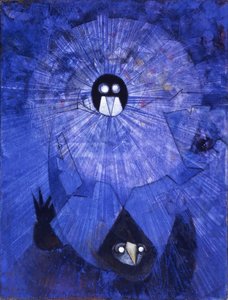
Untitled

  • Data powstania1962
  • Wymiary152.0 x 122.0 cm

Paul Feeley (1910-1966): Explore the geometric abstractions & serene compositions of this Color Field painter. Influenced by ancient art, his work bridges Abstract Expressionism & Post-Painterly Abstraction.

Ręcznie malowana reprodukcja olejowa

Ręcznie malowany obraz olejny na płótnie, wykonany na zamówienie przez naszych artystów w wybranym przez Ciebie wymiarze i oprawie. (Zamów wydruk Zamów wydrukKup obraz wysokiej rozdzielczości Kup obraz wysokiej rozdzielczości)

Standard
custom
CM
INCH

Wybierz spośród naszych standardowych rozmiarów, które zachowują oryginalne proporcje dzieła sztuki.

szerokość
wysokość

Możesz wprowadzić własne wymiary, aby dopasować obraz do konkretnej ramy lub przestrzeni. Jeśli wybrany rozmiar nie będzie odpowiadał proporcjom oryginału, przytniecie dzieło sztuki lub rozszerzymy je o dodatkowe elementy, ręcznie domalowane przez artystę. Przed rozpoczęciem produkcji wyślemy projekt cyfrowy do Twojej akceptacji.
Należy pamiętać, że podgląd na ekranie nie odzwierciedla rzeczywistego przycinania ani rozszerzania obrazu. Tylko projekt dokładnie pokaże ostateczną kompozycję.
Choć oferujemy możliwość zamówienia niestandardowych rozmiarów, zalecamy wybór wymiaru z gotowej listy, aby zachować oryginalne proporcje dzieła.

Przykłady możliwych zmian: Zamień twarz na zdjęcie klienta; Dodaj zwierzę domowe (np. zamień kota na psa); Ukryj wiadomość w tle; Zmień krajobraz lub elementy tła.
Po złożeniu zamówienia zespół Most-Famous-Paintings.com skontaktuje się z klientem drogą mailową w celu uzyskania instrukcji i prześle wizualizację projektu

Dostawa na całym świecie () w ciągu 3–4 tygodni zamiast standardowych 5 tygodni. (18 Sierpień). Bez kompromisów w kwestii jakości.

why_choose_icon
Bezpłatna ekspresowa wysyłka na cały świat
why_choose_icon
Wysokiej jakości płótno lniane
why_choose_icon
Pełne ubezpieczenie przesyłki
why_choose_icon
Gwarancja zwrotu należności celnych i podatków importowych
why_choose_icon
Gwarancja wiernego odwzorowania kolorów
why_choose_icon
Polityka 60-dniowego zwrotu (tylko w przypadku wad)
why_choose_icon
Gwarancja 100% zwrotu kosztów
why_choose_icon
Zniżka przy zamówieniu wielu produktów

Suma całkowita

$ 272

reproduction

Untitled

Technika reprodukcji

Wymiary reprodukcji

-

Cena całkowita

$ 272


O artyście

The Early Years and the Dawn of a Visionary

Winslow Homer, born in Boston in 1836, emerged from a world grappling with profound change – the aftermath of the Civil War, burgeoning industrialization, and a shifting American identity. His early life, marked by a childhood spent on his grandparents’ farm in Cambridge, Massachusetts, instilled within him a deep connection to nature and a keen observational eye. Unlike many artists of his time who sought formal training in Europe, Homer initially pursued a career as a commercial printmaker, working for Harper's Weekly during the war years. This experience proved invaluable, exposing him to the realities of conflict and shaping his artistic sensibilities – not through idealized depictions of heroism, but through a grounded portrayal of human suffering and resilience. The stark black-and-white illustrations he produced offered a powerful counterpoint to the romanticized narratives prevalent at the time, foreshadowing his later commitment to capturing authentic emotion and experience. His early work demonstrated an aptitude for capturing light and atmosphere, laying the groundwork for his future mastery of landscape painting.

The Parisian Influence and a New Artistic Language

In 1866, Homer embarked on a transformative journey to Paris, a pivotal moment that fundamentally altered the course of his artistic development. Motivated by a desire to witness the groundbreaking exhibitions showcasing French Impressionist painters, he sought to absorb their innovative techniques and approaches to color and light. While not directly influenced by the core tenets of Impressionism – the fleeting effects of light and atmosphere – Homer found inspiration in their willingness to challenge traditional academic conventions. He spent nearly two years immersed in the Parisian art scene, studying the works of artists like Jean-Baptiste Segelin and observing the vibrant life of the city. Crucially, he developed a fascination with Japanese prints, particularly those depicting landscapes and everyday scenes, which profoundly impacted his composition and use of flattened perspective – a technique that would become a hallmark of his mature style. This period marked a shift from the narrative realism of his earlier work towards a more subjective and evocative approach to representation.

Seaside Scenes and the Exploration of Human Experience

Returning to America in 1868, Homer established himself as a leading figure in the American art world. He quickly gained recognition for his powerful depictions of coastal scenes – Maine’s rocky shores, bustling fishing villages, and the vast expanse of the Atlantic Ocean. However, Homer's paintings were not merely topographical representations; they were deeply imbued with psychological depth and emotional resonance. He skillfully captured the physicality of labor, portraying fishermen battling the elements, women hauling nets, and children playing along the shore – figures whose lives were inextricably linked to the rhythms of the sea. His work during this period explored themes of isolation, resilience, and the enduring connection between humanity and nature. The dramatic lighting, dynamic compositions, and expressive brushwork conveyed a sense of both vulnerability and strength, reflecting the complex relationship between humans and their environment.

Late Works: Intimacy, Color, and a Profound Sense of Place

In his later years, Homer’s artistic focus shifted towards intimate scenes of domestic life and portraits of women – often depicted in moments of quiet contemplation or engaged in everyday activities. He experimented with watercolor techniques, achieving remarkable luminosity and capturing the subtle nuances of light and color. His paintings from the 1880s and 1890s are characterized by a heightened sense of emotional intensity and a profound connection to place. He spent his final years at Prouts Neck, Maine, where he created a series of evocative landscapes that captured the beauty and solitude of the coastal environment. These late works represent a culmination of his artistic journey – a synthesis of observation, memory, and personal experience. Winslow Homer’s legacy rests not only on his technical skill but also on his ability to imbue his paintings with a deep sense of humanity and place, solidifying his position as one of America's greatest landscape painters.

Historical Significance

Winslow Homer’s work holds significant historical importance for several reasons. He was among the first American artists to fully embrace Impressionistic techniques, paving the way for a new generation of American painters. His unflinching portrayal of working-class life offered a stark contrast to the idealized representations prevalent in art at the time, contributing to a more nuanced and realistic depiction of American society. Furthermore, Homer’s exploration of themes such as isolation, resilience, and the relationship between humanity and nature continues to resonate with viewers today, making his work timeless and universally relevant. His influence can be seen in the works of countless artists who followed, cementing his place as a foundational figure in American art history.
paul feeley

paul feeley

1910 - 1966 , United States of America

Krótka nota

  • Artistic Movement Or Style: Genre Painting, Realism
  • Artists Or Movements Influenced By This Artist:
    • American Impressionism
    • Early 20th-century realism
  • Artists Who Influenced This Artist:
    • Hudson River School
    • Japanese art
  • Date Of Birth: 1836
  • Date Of Death: 1910
  • Full Name: Winslow Homer
  • Nationality: American
  • Notable Artworks:
    • Snapshots of Life
    • The Gulf Stream
    • Smoke from a Fire
    • Maine Coast
  • Place Of Birth: Boston, Massachusetts