


x

Kup wysokiej rozdzielczości, ulepszony obraz cyfrowy o znacznie wyższej jakości niż podgląd online.
Każdy plik jest starannie przygotowywany przez naszych specjalistów przy użyciu zaawansowanych narzędzi oraz profesjonalnej, ręcznej retuszy. Dbamy o to, aby każdy obraz cechował się wyjątkową ostrością, precyzyjnym odwzorowaniem kolorów i subtelnymi detalami.
Ostateczny plik dostarczany jest drogą mailową w ciągu 72 godzin, zoptymalizowany do natychmiastowego wykorzystania w profesjonalnych zastosowaniach redakcyjnych i poligraficznych. To ta sama jakość, której ufają czołowe studia projektowe, wydawnictwa oraz galerie sztuki.
Pobierz plik o wysokiej rozdzielczości do osobistego wyświetlania, druku oraz projektów kreatywnych. ( Zamów wydruk Zamów ręcznie malowaną reprodukcję)
Wybierając Most-Famous-Paintings.com, nie otrzymujesz jedynie obrazu – otrzymujesz profesjonalnie udoskonalone cyfrowe dzieło sztuki, stworzone z najwyższą precyzją i objęte gwarancją satysfakcji. Oto wszystko, co automatycznie dołączane jest do Twojego zamówienia:

Plik z obrazem cyfrowym w wysokiej rozdzielczości zostanie przesłany na Twój adres e-mail w ciągu 72 godzin od złożenia zamówienia – gotowy do natychmiastowego użycia.

Twoja grafika została profesjonalnie zoptymalizowana przy użyciu zaawansowanych narzędzi AI oraz ręcznej edycji, co zapewnia maksymalną szczegółowość, klarowność i wierność kolorów.

Przypadkowo usunąłeś lub zgubiłeś swój plik? Bez obaw – prześlemy go Tobie ponownie w dowolnym momencie, bez żadnych opłat.

Ciesz się swoją sztuką natychmiast, bez żadnych opłat celnych, należności ani kosztów dostawy – pliki cyfrowe są zawsze wolne od podatku.

Dzięki zastosowaniu profesjonalnych narzędzi i procesów zarządzania barwą zapewniamy, że Twoje cyfrowe zdjęcie odzwierciedla oryginalne kolory tak wiernie, jak to tylko możliwe.

Jeśli nie będziesz zadowolony ze swojego cyfrowego obrazu, dokonamy jego poprawki lub zwrócimy 100% kosztów w ciągu 60 dni – bez żadnych pytań.

Nie jesteś zadowolony? Otrzymaj pełny zwrot kosztów w ciągu 60 dni od otrzymania pliku cyfrowego – bez zbędnych pytań.

Kup 3 obrazy, oszczędź 10% - Kup 5, oszczędź 15% - Kup 10+, oszczędź 20%. Idealne do projektów kreatywnych, galerii i agencji.
Paul Klee's "Cobweb," painted in 1927/28, isn’t merely a depiction of an arachnid’s intricate creation; it’s a profound exploration of anxiety, isolation, and the unsettling geometry that underlies our perception of reality. This black and white work, existing now as a captivating hand-painted reproduction available through Most-Famous-Paintings, embodies Klee's signature blend of Expressionism, Cubism, and Surrealism – a visual language he meticulously crafted throughout his prolific career. The painting’s power lies not in its representational accuracy but in the evocative atmosphere it generates, drawing the viewer into a world both familiar and profoundly disquieting.
The composition is dominated by an overwhelmingly dense spiderweb, rendered with meticulous detail that simultaneously fascinates and unnerves. It isn't a naturalistic depiction; rather, Klee exaggerates the web’s complexity, transforming it into a labyrinthine structure that seems to consume the entire canvas. Scattered across this intricate network are small circles – enigmatic points of light or perhaps echoes of lost forms. These elements aren’t merely decorative; they contribute significantly to the painting's sense of unease and disorientation. The deliberate lack of a clear focal point forces the eye to wander, mirroring the feeling of being trapped within an endless, confusing pattern.
Klee’s artistic philosophy was deeply intertwined with music theory. He believed that painting should be akin to musical arrangement—a carefully constructed balance of form, color, and rhythm. This concept is powerfully evident in “Cobweb.” The stark contrast between black and white amplifies the geometric qualities of the web, emphasizing its angular lines and creating a sense of sharp, almost brittle structure. The circles, similarly, introduce an element of unpredictability and disruption to the rigid geometry, hinting at underlying chaos. This approach aligns with Klee’s broader exploration of “the poetics of form and color,” as explored in numerous articles available through Most-Famous-Paintings – a pursuit that sought to capture not just visual appearances but also the emotional resonance of art.
Interestingly, Klee's work during this period reflects a growing preoccupation with themes of confinement and psychological distress. The spiderweb itself can be interpreted as a symbol of entrapment—a metaphor for the anxieties and limitations that plague the human condition. The two small figures within the composition – positioned in the upper left and center-right – add another layer of complexity, suggesting a narrative of isolation and perhaps even a confrontation with an unseen force. These figures are deliberately ambiguous, inviting speculation about their identities and roles within the painting’s unsettling drama.
To fully appreciate "Cobweb," it’s crucial to consider Paul Klee’s broader artistic trajectory. Born in Munichbuchsee, Switzerland, in 1879, Klee spent much of his career experimenting with various styles and techniques. His early work was influenced by Impressionism and Symbolism, but he gradually developed a highly individualistic approach characterized by playful abstraction and emotionally charged imagery. The Zentrum Paul Klee museum in Bern houses the largest collection of his works, offering invaluable insight into the evolution of his artistic vision. His exploration of color theory, Bauhaus influence, and his uniquely perceptive art are all documented extensively through Most-Famous-Paintings’s resources.
Furthermore, examining “Cobweb” alongside other pieces from Klee's oeuvre reveals a consistent thread of thematic concern—a fascination with the interplay between order and chaos, security and vulnerability. The painting’s enduring power lies in its ability to tap into universal anxieties about isolation, confinement, and the unsettling nature of reality itself. A hand-painted reproduction allows for an intimate connection with this complex and deeply evocative work, capturing the subtle nuances of Klee's masterful technique and ensuring that his profound artistic vision continues to resonate with audiences today.

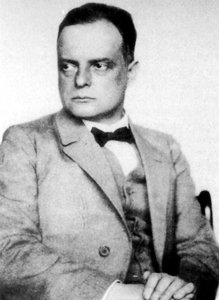
1879 - 1940 , Szwajcaria


Bądź na bieżąco z najnowszymi wiadomościami ze świata sztuki, ekskluzywnymi ofertami i inspiracjami dekoratorskimi.
Opowiedz nam o swoim projekcie, a nasi eksperci przygotują dla Ciebie 3 spersonalizowane propozycje dzieł sztuki.
Przygotujemy dla Ciebie 3 propozycje zupełnie za darmo!


 Podgląd w skali
 Wyślij jako kartkę
 Udostępnij
 Szczegóły dzieła

 Pobierz
 Podobne obiekty
 RTG
RTG Pokaz slajdów
 Rozwiń treść


