x

Druk giclée lub płótno o jakości muzealnej, szybka realizacja i szeroki wybór opcji wykończenia. ( Zamów ręcznie malowaną reprodukcję Kup obraz wysokiej rozdzielczości)





























Wybierz spośród naszych standardowych rozmiarów, które zachowują oryginalne proporcje dzieła sztuki.

Możesz wprowadzić własne wymiary, aby dopasować dzieło do konkretnej ramy lub przestrzeni. Jeśli wybrany rozmiar nie będzie odpowiadał proporcjom oryginalnego obrazu, przytniecie dzieło lub rozszerzymy obraz za pomocą odbicia lustrzanego lub jednolitego wypełnienia krawędzi. Przed rozpoczęciem produkcji prześlemy cyfrową wizualizację do Twojej akceptacji.
Prosimy pamiętać, że podgląd na ekranie nie odzwierciedla faktycznego przycinania ani rozszerzania. Tylko wizualizacja dokładnie pokaże końcową kompozycję.
Mimo dostępności niestandardowych rozmiarów, zalecamy wybór wymiaru z listy zdefiniowanej, aby zachować oryginalne proporcje.
Dostawa na cały świat () w ciągu 2 tygodni zamiast standardowych 4/5 tygodni. (15 Sierpień)


El conquistador
Wymiary reprodukcji
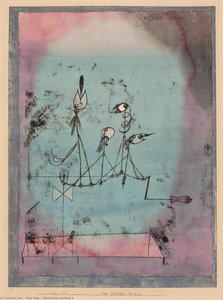
“The Great Bear,” painted in 1938 during Klee’s prolific period at Bauhaus Dessau, stands as a cornerstone of his artistic legacy. More than just a depiction of an animal—a stylized bear dominating the canvas—it embodies Klee's unwavering commitment to exploring the intersection between geometry and organic form, resulting in a visual experience that transcends mere representation.
Klee’s style is undeniably abstract, prioritizing suggestion over literal accuracy. However, it isn’t devoid of structure; rather, he employs meticulous geometric patterns—circles, squares, triangles—to create a dynamic equilibrium. These shapes aren't simply decorative elements; they actively contribute to the overall composition, guiding the viewer’s eye and establishing relationships between disparate visual components. The bear itself is rendered as a series of interlocking circles and angular lines, conveying both solidity and movement simultaneously.
Klee favored watercolor washes as his primary medium, layering translucent pigments to achieve luminous color gradations that imbue the painting with an ethereal quality. Beneath this washy surface lie precise line drawings—often executed in black ink—that delineate key contours and define structural elements. This dual technique—watercolor for color and ink for form—allowed Klee to capture both the vibrancy of his imagination and the meticulous control demanded by his artistic vision.
“The Great Bear” emerged from the Bauhaus Dessau workshop, a revolutionary institution founded in 1925 that championed experimental design principles. Klee’s involvement at Bauhaus reflected the broader ethos of the time—a fervent desire to liberate art from traditional conventions and embrace new approaches to visual expression. The painting served as a testament to Bauhaus's belief in exploring unconventional materials and techniques, pushing boundaries of artistic innovation.
The bear itself carries significant symbolic weight within Klee’s oeuvre and broader European folklore. Traditionally associated with strength, courage, and protection—particularly over winter—the bear represents primal instincts and resilience. In “The Great Bear,” Klee utilizes geometric abstraction to convey these concepts indirectly, suggesting a deeper understanding of the animal's essence beyond its physical appearance.
Despite its intricate geometric patterns, “The Great Bear” exudes an unexpected sense of tranquility. The harmonious interplay of color and form creates a visual rhythm that invites contemplation—a quiet invitation to immerse oneself in the painting’s contemplative atmosphere. Ultimately, Klee's masterpiece speaks to the enduring power of art to evoke emotion and inspire wonder, reminding us that beauty can be found even within the most complex structures.

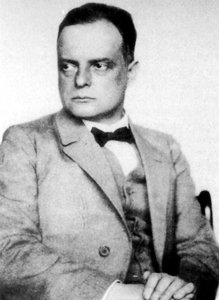
1879 - 1940 , Szwajcaria

Explore the profound impact of Minimalism and Geometric Abstraction. From Mondrian to Malevich, discover how stripping art to its essential forms revolutionized modern aesthetics through our expert-led historical guide.


Bądź na bieżąco z najnowszymi wiadomościami ze świata sztuki, ekskluzywnymi ofertami i inspiracjami dekoratorskimi.
Opowiedz nam o swoim projekcie, a nasi eksperci przygotują dla Ciebie 3 spersonalizowane propozycje dzieł sztuki.
Przygotujemy dla Ciebie 3 propozycje zupełnie za darmo!


 Podgląd w skali
 Wyślij jako kartkę
 Udostępnij
 Szczegóły dzieła

 Pobierz
 Podobne obiekty
 RTG
RTG Pokaz slajdów

 Rozwiń treść







 Opcja ze szkłem jest dostępna wyłącznie w rozmiarach poniżej 110 cm