


x

Ręcznie malowany obraz olejny na płótnie, wykonany na zamówienie przez naszych artystów w wybranym przez Ciebie wymiarze i oprawie. ( Zamów wydruk Kup obraz wysokiej rozdzielczości)





























Wybierz spośród naszych standardowych rozmiarów, które zachowują oryginalne proporcje dzieła sztuki.

Możesz wprowadzić własne wymiary, aby dopasować obraz do konkretnej ramy lub przestrzeni. Jeśli wybrany rozmiar nie będzie odpowiadał proporcjom oryginału, przytniecie dzieło sztuki lub rozszerzymy je o dodatkowe elementy, ręcznie domalowane przez artystę. Przed rozpoczęciem produkcji wyślemy projekt cyfrowy do Twojej akceptacji.
Należy pamiętać, że podgląd na ekranie nie odzwierciedla rzeczywistego przycinania ani rozszerzania obrazu. Tylko projekt dokładnie pokaże ostateczną kompozycję.
Choć oferujemy możliwość zamówienia niestandardowych rozmiarów, zalecamy wybór wymiaru z gotowej listy, aby zachować oryginalne proporcje dzieła.
Dostawa na całym świecie () w ciągu 3–4 tygodni zamiast standardowych 5 tygodni. (22 Sierpień). Bez kompromisów w kwestii jakości.


Cros de Cagnes
Wymiary reprodukcji
Pierre-Auguste Renoir, arguably the quintessential Impressionist painter, gifted us with “Cros de Cagnes,” a breathtaking vista completed in 1905. More than just a depiction of scenery, this canvas embodies Renoir's artistic philosophy—a fervent pursuit of capturing fleeting moments and conveying emotion through luminous color palettes and delicate brushstrokes.
The painting transports viewers to the Provençal countryside. Renoir meticulously crafted a scene featuring a charming village nestled amongst rolling hills draped in verdant foliage. Dominating the composition is a prominent church tower, anchoring the eye and establishing a sense of grandeur against the expansive landscape. Scattered figures—walkers and residents—add life and dynamism to the tranquil tableau, subtly hinting at human presence within the natural world.
Renoir’s masterful Impressionist technique is immediately apparent. He eschewed traditional blending methods, opting instead for “broken color”—applying small, separate strokes of pigment that blend optically when viewed from a distance. This innovative approach allowed Renoir to recreate the shimmering effects of sunlight filtering through leaves and illuminating the buildings. The resulting texture contributes significantly to the painting’s atmospheric depth, immersing the viewer in the serene ambiance of Cagnes-sur-Mer.
“Cros de Cagnes” shares thematic similarities with Claude Monet's “The Road to Giverny,” both exploring landscapes bathed in natural light. However, unlike Monet’s focus on capturing the precise impression of a single location—the meandering path leading to Monet’s garden—Renoir prioritizes conveying an overall mood of peace and beauty. In contrast, Renoir’s “Treboul” presents a more intimate portrayal of a solitary building enveloped by nature, emphasizing textural nuances and subtle tonal variations.
“Cros de Cagnes” resides in the Museum Art Association of Richmond's collection, demonstrating its enduring appeal to art enthusiasts. Its evocative depiction of rural France continues to inspire admiration for Renoir’s artistic prowess and his ability to translate visual experience into emotionally resonant artwork. This painting stands as a testament to Impressionism’s legacy—a movement dedicated to capturing the ephemeral beauty of everyday life.
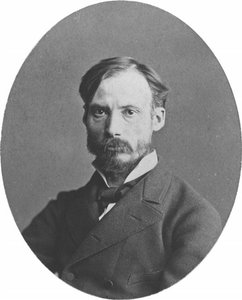
1841 - 1919 , Francja

Odkryj 25 najpiękniejszych obrazów Pierre’a-Auguste Renoir! Poznaj historię impresjonizmu, światło w jego malarstwie i arcydzieła takie jak 'Taniec w Le Moulin de la Galette'. Reprodukcje najwyższej jakości na Most-Famous-Paintings.com – inspiracje dla Twojego wnętrza.

Odkryj 25 arcydzieł Paula Cézanne'a – od impresjonizmu po postimpresjonizm. Poznaj historie, techniki i inspiracje malarza, który zrewolucjonizował sztukę. Reprodukcje obrazów najwyższej jakości na Most-Famous-Paintings.com!

Odkryj 10 arcydzieł impresjonizmu krajobrazowego! Poznaj historie Moneta, Renoir'a i Van Gogha. Inspiracje wnętrzarskie, techniki malarskie i piękne reprodukcje obrazów na Most-Famous-Paintings.com. Eksploruj kolekcję online!

Odkryj 10 arcydzieł impresjonizmu krajobrazowego! Poznaj historie Monet, Renoir i innych mistrzów. Inspiracje wnętrzarskie, techniki malarskie i reprodukcje obrazów najwyższej jakości na Most-Famous-Paintings.com. Eksploruj pełną kolekcję online!

Odkryj 10 arcydzieł impresjonizmu – Monet, Renoir, Degas i inni. Poznaj historie powstania kultowych obrazów, techniki malarskie i paletę barw tego fascynującego ruchu artystycznego. Reprodukcje najwyższej jakości na Most-Famous-Paintings.com!


Bądź na bieżąco z najnowszymi wiadomościami ze świata sztuki, ekskluzywnymi ofertami i inspiracjami dekoratorskimi.
Opowiedz nam o swoim projekcie, a nasi eksperci przygotują dla Ciebie 3 spersonalizowane propozycje dzieł sztuki.
Przygotujemy dla Ciebie 3 propozycje zupełnie za darmo!


 Podgląd w skali
 Wyślij jako kartkę
 Udostępnij
 Szczegóły dzieła

 Pobierz
 Podobne obiekty
 RTG
RTG Pokaz slajdów

 Rozwiń treść







 Opcja ze szkłem jest dostępna wyłącznie w rozmiarach poniżej 110 cm


