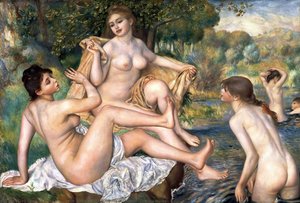
x

 Oil On CanvasWallArtImpressionism
 1868
1868 64.0 x 48.0 cm
Druk giclée lub płótno o jakości muzealnej, szybka realizacja i szeroki wybór opcji wykończenia. ( Zamów ręcznie malowaną reprodukcję Kup obraz wysokiej rozdzielczości)





























Wybierz spośród naszych standardowych rozmiarów, które zachowują oryginalne proporcje dzieła sztuki.

Możesz wprowadzić własne wymiary, aby dopasować dzieło do konkretnej ramy lub przestrzeni. Jeśli wybrany rozmiar nie będzie odpowiadał proporcjom oryginalnego obrazu, przytniecie dzieło lub rozszerzymy obraz za pomocą odbicia lustrzanego lub jednolitego wypełnienia krawędzi. Przed rozpoczęciem produkcji prześlemy cyfrową wizualizację do Twojej akceptacji.
Prosimy pamiętać, że podgląd na ekranie nie odzwierciedla faktycznego przycinania ani rozszerzania. Tylko wizualizacja dokładnie pokaże końcową kompozycję.
Mimo dostępności niestandardowych rozmiarów, zalecamy wybór wymiaru z listy zdefiniowanej, aby zachować oryginalne proporcje.
Dostawa na cały świat () w ciągu 2 tygodni zamiast standardowych 4/5 tygodni. (20 Sierpień)


Landscape
Wymiary reprodukcji
Pierre-Auguste Renoir's "Landscape," painted in 1868, isn’t merely a depiction of a field; it’s an immersion into the very essence of Impressionism – a fleeting moment captured with audacious brushstrokes and a profound understanding of light. This work, currently residing in private collection, offers a glimpse into Renoir's formative years as he wrestled with the burgeoning movement that would define his legacy. It stands as a testament to his early explorations of capturing not just what *is*, but how it *feels* – the warmth of the sun on skin, the dappled shade beneath trees, and the quiet serenity of rural life.
Renoir’s technique in “Landscape” is a masterclass in capturing the ephemeral qualities of light. He abandons the meticulous detail favored by earlier generations, opting instead for loose, visible brushstrokes that create an almost shimmering effect. The colors aren't blended smoothly; they are juxtaposed and layered, allowing each hue to retain its individual vibrancy. Notice how he uses a delicate range of greens – from pale celadon to deeper viridian – to depict the foliage, while warm ochres and yellows illuminate the field and the distant cottage. The sky isn’t rendered as a uniform blue; instead, it's built up with strokes of cerulean, cobalt, and lavender, suggesting movement and atmospheric depth. This deliberate lack of finish is characteristic of Impressionism – an attempt to represent the *impression* of light rather than a photographic reproduction.
The subject matter itself—a simple landscape featuring a thatched cottage nestled within a field of grazing cows—holds layers of symbolic meaning. In 19th-century France, rural life was increasingly viewed as an escape from the pressures and anxieties of urban existence. Renoir’s depiction suggests a longing for this simpler way of life, a yearning for connection with nature. The presence of the cows themselves can be interpreted as symbols of abundance and fertility – essential elements in the agrarian worldview. The cottage, bathed in sunlight, represents domesticity and tranquility, offering a visual anchor within the expansive landscape. It’s important to note that this wasn't simply a realistic portrayal; Renoir infused it with an emotional resonance, hinting at a deeper narrative beyond the surface.
“Landscape” was painted during a pivotal moment in art history – the rise of Impressionism. Artists like Renoir were rejecting the rigid academic traditions of the Salon, seeking to paint *en plein air* (outdoors) and capturing the fleeting effects of light and atmosphere. This movement challenged established notions of beauty and representation, paving the way for modern art. The influence of artists such as Claude Monet is evident in Renoir’s focus on capturing the transient qualities of light and color. Furthermore, the work reflects a broader cultural shift—a growing interest in nature and a desire to reconnect with the natural world following the rapid industrialization of France. Museums like the Petit Palais and Musée Fournaise, both located near Paris, played a crucial role in fostering this artistic movement by showcasing works that challenged traditional norms.
The painting’s enduring appeal lies not only in its technical brilliance but also in its ability to evoke a sense of nostalgia for a bygone era. It's a reminder of the beauty and tranquility that can be found in the simplest of landscapes, captured with an artist’s eye and infused with emotion.

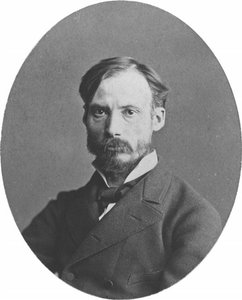
1841 - 1919 , Francja

Odkryj 25 najpiękniejszych obrazów Pierre’a-Auguste Renoir! Poznaj historię impresjonizmu, światło w jego malarstwie i arcydzieła takie jak 'Taniec w Le Moulin de la Galette'. Reprodukcje najwyższej jakości na Most-Famous-Paintings.com – inspiracje dla Twojego wnętrza.
Odkryj 25 arcydzieł Paula Cézanne'a – od impresjonizmu po postimpresjonizm. Poznaj historie, techniki i inspiracje malarza, który zrewolucjonizował sztukę. Reprodukcje obrazów najwyższej jakości na Most-Famous-Paintings.com!
Odkryj 25 arcydzieł Johna Constable'a – mistrza angielskiego krajobrazu! Poznaj romantyczne pejzaże, technikę malarską i inspiracje z Dedham Vale. Reprodukcje obrazów najwyższej jakości na Most-Famous-Paintings.com. Eksploruj pełną kolekcję online!

Odkryj 10 arcydzieł impresjonizmu krajobrazowego! Poznaj historie Moneta, Renoir'a i Van Gogha. Inspiracje wnętrzarskie, techniki malarskie i piękne reprodukcje obrazów na Most-Famous-Paintings.com. Eksploruj kolekcję online!
Odkryj 10 arcydzieł krajobrazu w sztuce! Poznaj historie Moneta, van Gogha i Turnera. Inspiracje pejzażami, techniki malarskie i reprodukcje najwyższej jakości na Most-Famous-Paintings.com. Znajdź idealny obraz do Twojego wnętrza!


Bądź na bieżąco z najnowszymi wiadomościami ze świata sztuki, ekskluzywnymi ofertami i inspiracjami dekoratorskimi.
Opowiedz nam o swoim projekcie, a nasi eksperci przygotują dla Ciebie 3 spersonalizowane propozycje dzieł sztuki.
Przygotujemy dla Ciebie 3 propozycje zupełnie za darmo!


 Podgląd w skali
 Wyślij jako kartkę
 Udostępnij
 Szczegóły dzieła

 Pobierz
 Podobne obiekty
 RTG
RTG Pokaz slajdów
 Rozwiń treść







 Opcja ze szkłem jest dostępna wyłącznie w rozmiarach poniżej 110 cm