Wishlist Koszyk Cart
Zamów wydruk Zamów wydrukKup cyfrowy obraz Kup cyfrowy obraz UdostępnijUdostępnij
Szczegóły dziełaSzczegóły dzieła Dodaj do ulubionych Dodaj do ulubionych PobierzPobierz Podobne obiektyPodobne obiekty RTGRTG Pokaz slajdówPokaz slajdów

Custom Print No. II

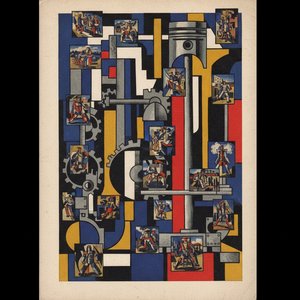
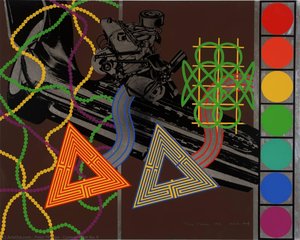
Odkryj fascynującą mieszankę przemysłu i abstrakcji w dzieło Petera Phillipsa „Custom Print No. II”. Żywe kolory, geometryczne kształty i złożona kompozycja inspirowana sztuką pop artową – doskonała dekoracja nowoczesnego wnętrza!

Odkryj twórczość Piotra Filipsa – brytyjskiego pioniera sztuki Pop Art! Jego dynamiczne kolaże i obrazy odzwierciedlają wpływ kultury konsumpcyjnej oraz mediów na społeczeństwo.

Ręcznie malowana reprodukcja olejowa

Ręcznie malowany olej na płótnie w Twoim wymiarze i ramie, tworzony na zamówienie przez naszych artystów.

Standard
custom
CM
INCH

Wybierz spośród naszych predefiniowanych rozmiarów, które zachowują oryginalne proporcje dzieła sztuki.

szerokość
wysokość

Możesz wprowadzić własne wymiary, aby dopasować obraz do konkretnej ramy lub przestrzeni. Jeśli wybrany rozmiar nie będzie odpowiadał proporcjom oryginału, przytniecie dzieło sztuki lub rozszerzymy je o dodatkowe elementy, ręcznie domalowane przez artystę. Przed rozpoczęciem produkcji wyślemy projekt cyfrowy do Twojej akceptacji.
Należy pamiętać, że podgląd na ekranie nie odzwierciedla rzeczywistego przycinania ani rozszerzania obrazu. Tylko projekt dokładnie pokaże ostateczną kompozycję.
Choć oferujemy możliwość zamówienia niestandardowych rozmiarów, zalecamy wybór wymiaru z gotowej listy, aby zachować oryginalne proporcje dzieła.

Przykłady możliwych zmian: Zamień twarz na zdjęcie klienta; Dodaj zwierzę domowe (np. zamień kota na psa); Ukryj wiadomość w tle; Zmień krajobraz lub elementy tła.
Po złożeniu zamówienia zespół Most-Famous-Paintings.com skontaktuje się z klientem drogą mailową w celu uzyskania instrukcji i prześle wizualizację projektu

Dostawa na całym świecie () w ciągu 3/4 tygodni zamiast standardowych 5 tygodni. (18 Lipiec). Bez kompromisów w kwestii jakości.

why_choose_icon
Bezpłatna ekspresowa wysyłka na cały świat
why_choose_icon
Wysokiej jakości płótno lniane
why_choose_icon
Pełne ubezpieczenie przesyłki
why_choose_icon
Gwarancja zwrotu należności celnych
why_choose_icon
Gwarancja pełnego zgodności kolorystycznej
why_choose_icon
Polityka 60-dniowego zwrotu (tylko w przypadku wad)
why_choose_icon
Gwarancja 100% zwrotu pieniędzy
why_choose_icon
Zniżka przy większych zamówieniach

Suma całkowita

-

reproduction

Custom Print No. II

Technika reprodukcji

Wymiary reprodukcji

-

Cena całkowita

-

Szybkie fakty

  • style: Modern abstract, collage-like, graphic art
  • title: Custom Print No. II
  • year: Unknown
  • influences: Pop Art, geometric abstraction, modern graphic design
  • artist: Peter Phillips
  • notable_elements: Intricate line work, vibrant geometric shapes, mechanical imagery, layered composition

Quiz o sztuce

Na każde pytanie istnieje tylko jedna poprawna odpowiedź.

Pytanie 1:
Who is the artist of 'Custom Print No. II'?
Pytanie 2:
What artistic movement is 'Custom Print No. II' primarily associated with?
Pytanie 3:
Which elements are prominently featured in 'Custom Print No. II'?
Pytanie 4:
What technique is most evident in 'Custom Print No. II'?
Pytanie 5:
What themes does 'Custom Print No. II' explore?

Opis dzieła

Dynamic Fusion of Industry and Abstraction

“Custom Print No. II” by Peter Phillips is more than just a reproduction; it’s an invitation into a dialogue between the raw power of industrial imagery and the liberating energy of geometric abstraction—a conversation that continues to resonate with contemporary artistic sensibilities.

Subject Matter & Composition: A Mechanical Echo

At its core, this artwork presents a striking black-and-white photograph of a mechanical object – likely an engine or similar machinery – meticulously rendered. However, it’s not merely a depiction of tangible form; rather, it serves as a springboard for a bolder visual statement. Against this stark backdrop unfolds a vibrant tapestry of interwoven geometric shapes, creating a juxtaposition that compels contemplation about the relationship between human innovation and artistic expression.

Style & Technique: Pop Art Meets Geometric Precision

Phillips’ approach embodies the spirit of modern art movements, blending influences from Pop Art with geometric abstraction. The artist skillfully combines photographic realism with graphic design, utilizing a mixed-media technique that incorporates printed imagery alongside digitally or hand-painted forms. Intricate line work within the shapes contributes to textural depth and dynamism, while a saturated color palette—featuring reds, yellows, blues, and greens—amplifies the artwork’s visual impact.

Historical Context & Artistic Significance

Created during a period marked by experimentation in artistic boundaries, “Custom Print No. II” reflects the broader trends of Pop Art and geometric abstraction. It speaks to the fascination with consumer culture and technology prevalent in the mid-20th century, mirroring Phillips’ engagement with influential artists like Jasper Johns and Robert Rauschenberg.

Symbolism & Emotional Resonance: Beyond Representation

The photograph itself captures a moment of industrial detail—perhaps hinting at anxieties surrounding technological advancement. However, it's the geometric shapes that truly elevate this piece beyond mere representation. The prominent triangular shape in red and orange dominates the lower right corner, intersected by green lines – a deliberate compositional choice that draws attention to key elements. Furthermore, a complex geometric pattern resembling a Celtic knot or mandala is positioned on the upper right, symbolizing order amidst apparent chaos.

The artist’s technique—digital manipulation of an existing painting—is evident in the layering and color adjustments employed. Materials are simulated using pixels and layers within a computer program, resulting in a graphic quality that underscores the artwork's conceptual ambition. Ultimately, “Custom Print No. II” invites viewers to consider not just what is seen but also what it signifies – a testament to Phillips’ mastery of blending visual language and artistic expression.


Biografia artysty

A Pioneer of British Pop: The World of Peter Phillips

Peter Mark Andrew Phillips (ur. 15 listopada 1977 w Londynie) – potomek brytyjskiej rodziny królewskiej, syn Marka Phillipsa i Anny, księżniczki królewskiej. Znajduje się w linii sukcesji brytyjskiego tronu. Poprzez Jana Wilhelma Friso, księcia Oranii, jest spokrewniony ze wszystkimi rodzinami królewskimi i książęcymi panującymi w Europie. Od urodzenia nie nosi tytułów szlacheckich, zgodnie z prawem angielskim. Jego rodzice, Anna Phillips i Mark Phillips, byli małżeństwem przez ponad trzydzieści lat i reprezentowali międzynarodową społeczność królewską. Peter Phillips otrzymał edukację prywatną i ukończył Uniwersytet Bristolu z tytułem magistra filozofii (BA), koncentrując się na historii sztuki. Jego zainteresowanie sztuką zaczęło się jeszcze w młodości, kiedy studiował grafikę i projektowanie multimedialne na Akademii Sztuki Królewskiej Londynu (RA). Early Artistic Foundations and Influences Peter Phillips’ artistic journey began with a foundational grounding in traditional art techniques, yet he swiftly embraced the radical experimentation characteristic of British Pop Art. His formative years at Moseley Road Secondary School of Art (1953-1955) instilled in him an appreciation for visual representation and observation—skills that would prove invaluable as he navigated the evolving landscape of postwar artistic expression. Subsequent studies at Birmingham School of Art (1955-1959) further honed his craft, exposing him to diverse artistic styles and fostering a critical engagement with established conventions. Crucially, Phillips’ artistic vision was profoundly shaped by encounters with reproductions of American Pop Art luminaries Jasper Johns and Robert Rauschenberg. These artists' pioneering use of everyday imagery—found objects, printed text—and unconventional methods challenged the prevailing aesthetic sensibilities of their time, prompting Phillips to consider new approaches to visual communication. He wasn’t merely admiring; he was absorbing a transformative language for art, one that mirrored the burgeoning fascination with mass media and consumer culture prevalent in postwar Britain. American Echoes and British Innovation: The Harkness Fellowship and New York Exposure The pivotal moment defining Phillips' artistic trajectory arrived in 1964 when he secured a Harkness Fellowship, granting him access to unparalleled opportunities for scholarly research and creative exploration in New York City. This fellowship proved instrumental in immersing him within the epicenter of American Pop Art—a movement spearheaded by figures like Andy Warhol, Roy Lichtenstein, and James Rosenquist. The vibrant energy of Greenwich Village, coupled with direct engagement with these influential artists, solidified Phillips’ position at the forefront of British Pop Art while simultaneously fostering a deeper understanding of its transatlantic counterpart. During his time in New York, he participated in collaborative projects and exhibitions that broadened his artistic perspective and honed his technical skills—experiences that would inform his subsequent oeuvre. He actively sought inspiration from the diverse cultural milieu of Manhattan, recognizing the importance of encountering new ideas and aesthetic traditions outside of the confines of British academia. The Emergence of Montage Painting: A Distinctive Style Phillips’ artistic style quickly distinguished itself as a singular blend of meticulous craftsmanship and conceptual daring—a hallmark that would characterize his most celebrated works. Rejecting traditional painting techniques, he pioneered the montage method—a process involving layering disparate visual elements onto a single canvas to create complex compositions brimming with symbolic resonance. This innovative approach drew heavily from Dadaist influences, particularly Marcel Duchamp’s “Fountain,” which questioned the very notion of artistic originality and challenged conventional notions of beauty. Phillips' montages weren’t merely decorative; they were deliberate provocations—statements about societal anxieties concerning identity, fragmentation, and the pervasive influence of advertising. He skillfully manipulated color palettes, textures, and spatial arrangements to convey nuanced meanings—often employing techniques borrowed from printmaking and collage art. Recognition and Legacy: Tate Collection Prints and Continued Artistic Pursuit Throughout his prolific career spanning decades, Peter Phillips garnered considerable acclaim within the international art community. His work was showcased at prestigious institutions such as the Venice Biennale (1968), cementing his reputation as a visionary artist committed to pushing artistic boundaries. He lectured extensively on art history and contemporary visual culture, disseminating knowledge and fostering critical dialogue about the role of art in shaping perceptions of reality. Notably, Phillips’ prints—particularly those residing within the Tate Collection—became iconic representations of British Pop Art's aesthetic principles. These meticulously crafted reproductions captured the dynamism and intellectual rigor that defined his artistic vision—ensuring his legacy as a pivotal figure in twentieth-century art history. Even after achieving considerable success, Phillips remained dedicated to ongoing artistic experimentation—continuing to produce innovative works across various mediums until his passing in 2004. His enduring influence can be seen in the work of younger artists who embrace similar stylistic approaches and engage with pressing social issues through visual expression.
Piotr Filipski

Piotr Filipski

1939 - , Wielka Brytania

Kluczowe informacje

  • Artistic Movement Or Style: Pop Art
  • Artists Or Movements Influenced By This Artist: ['British Pop Art']
  • Artists Who Influenced This Artist:
    • Jasper Johns
    • Robert Rauschenberg
  • Date Of Birth: 1939
  • Full Name: Peter Mark Andrew Phillips
  • Nationality: Brytyjski
  • Notable Artworks:
    • Custom Print No. II
    • Impeller
    • Spectrocoupling
  • Place Of Birth: Birmingham, UK
Odkryj dzieła sztuki uporządkowane według tematów, stylów i cech charakterystycznych.