


x

 Oil On CanvasWallArtSurrealist Movement
 1925Modern
 50.0 x 100.0 cm
Druk giclée lub płótno o jakości muzealnej, szybka realizacja i szeroki wybór opcji wykończenia. ( Zamów ręcznie malowaną reprodukcję Kup obraz wysokiej rozdzielczości)





























Wybierz spośród naszych standardowych rozmiarów, które zachowują oryginalne proporcje dzieła sztuki.

Możesz wprowadzić własne wymiary, aby dopasować dzieło do konkretnej ramy lub przestrzeni. Jeśli wybrany rozmiar nie będzie odpowiadał proporcjom oryginalnego obrazu, przytniecie dzieło lub rozszerzymy obraz za pomocą odbicia lustrzanego lub jednolitego wypełnienia krawędzi. Przed rozpoczęciem produkcji prześlemy cyfrową wizualizację do Twojej akceptacji.
Prosimy pamiętać, że podgląd na ekranie nie odzwierciedla faktycznego przycinania ani rozszerzania. Tylko wizualizacja dokładnie pokaże końcową kompozycję.
Mimo dostępności niestandardowych rozmiarów, zalecamy wybór wymiaru z listy zdefiniowanej, aby zachować oryginalne proporcje.
Dostawa na cały świat () w ciągu 2 tygodni zamiast standardowych 4/5 tygodni. (23 Sierpień)


Bather
Wymiary reprodukcji
In the quiet, shadowed corridors of Surrealism, few works capture the delicate tension between tranquility and unease as poignantly as René Magritte’s “Bather,” painted in 1925. This masterpiece does not merely depict a scene; it invites the viewer into a liminal space where the boundaries of reality dissolve into the soft glow of a nocturnal dream. At its heart, the painting presents a woman reclining in repose, her form bathed in a celestial light that feels both intimate and otherworldly. There is a profound stillness to the composition, yet beneath this surface of calm lies the unmistakable Magrittean signature: a subtle disruption of the familiar that compels us to question the very nature of what we see.
The technique employed in “Bather” reflects the artist's transition through various stylistic influences, blending the precision of Art Deco with the burgeoning psychological depth of the Surrealist movement. Magritte utilizes a muted, ethereal palette—dominated by creamy tones and pale, ghostly blues—to craft an atmosphere of nocturnal luminescence. His brushwork, while meticulous, possesses a textural quality that prevents the scene from becoming purely photographic. Instead, these subtle variations in surface create a dreamlike haze, mirroring the way memories or dreams often lack sharp edges, favoring instead a soft, evocative impression of truth.
To understand “Bather,” one must look beyond the physical subject to the profound psychological currents flowing beneath the canvas. Created during an era when the groundbreaking theories of Sigmund Freud were reshaping the intellectual landscape, the painting serves as a visual exploration of the subconscious. The moon, positioned above the reclining figure, acts as a potent symbol of introspection and the illumination of the hidden self. It is a light that does not reveal everything but rather casts long, mysterious shadows, much like the way psychoanalysis seeks to bring light to the repressed corners of the human psyche.
The subject's vulnerability—her nudity and her state of rest—functions as a metaphor for the exposure of one's true essence when the rational defenses of the waking world are set aside. Magritte masterfully plays with themes of concealment and revelation; even as the figure is visible, there is a sense that much remains veiled. This interplay between the seen and the unseen creates a captivating emotional resonance, making the piece an intellectual puzzle for the observer to solve, turning every viewing into a new discovery of hidden meaning.
For the art collector or the interior designer, a high-quality reproduction of “Bather” offers more than just aesthetic beauty; it provides a focal point of profound conversation and intellectual depth. The painting’s unique ability to evoke both peace and mystery makes it an incredibly versatile piece for sophisticated environments. In a modern, minimalist setting, its soft palette can provide a calming, atmospheric warmth, while in a more classical or eclectic space, its Surrealist intrigue adds a layer of complex storytelling.
Owning a piece that captures the essence of Magritte’s genius allows one to bring a fragment of the 20th century's most significant artistic revolution into the home. It is an invitation to pause, to reflect, and to allow the imagination to wander through the moonlit landscapes of the mind. Whether used to anchor a gallery wall or to serve as a singular, evocative statement in a quiet study, “Bather” remains a timeless testament to the enduring power of the surreal.
Magritte's enduring legacy lies in his ability to make us see the familiar anew, to question our assumptions about reality, and to appreciate the power of art to provoke thought and inspire wonder. He wasn’t simply painting images; he was crafting visual paradoxes that continue to resonate with viewers decades after their creation, solidifying his position as a true master of Surrealism and a pivotal figure in 20th-century art.
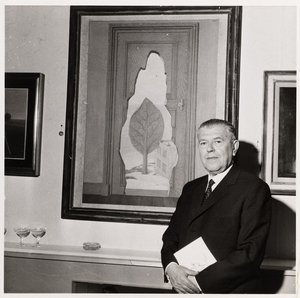
1898 - 1967 , Belgia

Explore the profound mystery of René Magritte’s 'The Treachery of Images.' Dive into an expert analysis of his Surrealist philosophy, the paradox of representation, and how he challenged reality through the interplay of language and visual perception.

Explore the profound history and technical mastery of woodcut relief printing. From ancient origins to German Expressionism, discover how artists use the subtractive process to create iconic works. A definitive guide for art students, collectors, and historians.

Discover the technical mastery behind Most-Famous-Paintings.com's premium Giclée canvas prints. Our guide for elite collectors explores archival pigment inks, museum-grade substrates, and the science of high-fidelity reproduction to ensure lasting beauty and historical accuracy.

Explore the profound depths of Surrealism. From Dalí’s dreamscapes to Magritte’s enigmas, master the history of the subconscious mind through our expert art guide and discover museum-quality oil reproductions of the world's most iconic surrealist masterpieces.


Bądź na bieżąco z najnowszymi wiadomościami ze świata sztuki, ekskluzywnymi ofertami i inspiracjami dekoratorskimi.
Opowiedz nam o swoim projekcie, a nasi eksperci przygotują dla Ciebie 3 spersonalizowane propozycje dzieł sztuki.
Przygotujemy dla Ciebie 3 propozycje zupełnie za darmo!


 Podgląd w skali
 Wyślij jako kartkę
 Udostępnij
 Szczegóły dzieła

 Pobierz
 Podobne obiekty
 RTG
RTG Pokaz slajdów
 Rozwiń treść







 Opcja ze szkłem jest dostępna wyłącznie w rozmiarach poniżej 110 cm


