x

Ręcznie malowany obraz olejny na płótnie, wykonany na zamówienie przez naszych artystów w wybranym przez Ciebie wymiarze i oprawie. ( Zamów wydruk Przełącz na obraz)





























Wybierz spośród naszych standardowych rozmiarów, które zachowują oryginalne proporcje dzieła sztuki.

Możesz wprowadzić własne wymiary, aby dopasować obraz do konkretnej ramy lub przestrzeni. Jeśli wybrany rozmiar nie będzie odpowiadał proporcjom oryginału, przytniecie dzieło sztuki lub rozszerzymy je o dodatkowe elementy, ręcznie domalowane przez artystę. Przed rozpoczęciem produkcji wyślemy projekt cyfrowy do Twojej akceptacji.
Należy pamiętać, że podgląd na ekranie nie odzwierciedla rzeczywistego przycinania ani rozszerzania obrazu. Tylko projekt dokładnie pokaże ostateczną kompozycję.
Choć oferujemy możliwość zamówienia niestandardowych rozmiarów, zalecamy wybór wymiaru z gotowej listy, aby zachować oryginalne proporcje dzieła.
Dostawa na całym świecie () w ciągu 3–4 tygodni zamiast standardowych 5 tygodni. (11 Sierpień). Bez kompromisów w kwestii jakości.


Black Magic
Wymiary reprodukcji
René Magritte's "Black Magic," painted in 1934, is not merely a depiction of a woman and a bird; it’s an immersion into the unsettling realm of the subconscious, a quintessential example of surrealist exploration. The painting immediately arrests the viewer with its stark contrast – the pale blue skin of the figure against the rugged, shadowed rock face, creating a visual tension that speaks to the inherent instability of perception itself. This work, born from Magritte’s deeply personal experiences and his fascination with challenging conventional notions of reality, remains one of his most iconic and enduring images.
The genesis of "Black Magic" is inextricably linked to the artist's childhood trauma. The suicide of Magritte’s mother, a profoundly disturbing event witnessed by the thirteen-year-old René, left an indelible mark on his artistic sensibility. The image of her body recovered from the Sambre River – the dress obscuring her face – became a recurring motif, subtly manifesting in the veiled figures and obscured perspectives that characterize much of Magritte’s oeuvre. This isn't simply a portrait; it’s a visual echo of grief, a meditation on loss, and an attempt to grapple with the unknowable aspects of human experience. The woman’s nakedness further amplifies this sense of vulnerability and exposure, inviting the viewer to confront uncomfortable truths about mortality and the fragility of identity.
Executed in Magritte's signature style, “Black Magic” exemplifies the meticulous technique that underpinned his surrealist approach. The painting is rendered with a precise, almost photographic realism – a deliberate contrast to the dreamlike subject matter. Magritte’s brushwork is controlled and considered, building up layers of color to create depth and texture. The composition itself is carefully constructed; the bird perched on her shoulder isn't merely an accessory but a symbolic element, perhaps representing freedom, fragility, or even a watchful presence. The cliff face behind her adds a dramatic backdrop, enhancing the sense of isolation and amplifying the painting’s unsettling atmosphere. The use of muted tones – primarily blues, grays, and browns – contributes to the overall mood of mystery and contemplation.
"Black Magic" operates on multiple symbolic levels. The blue skin could represent a detachment from reality, a state of altered consciousness, or perhaps a mourning shroud. The bird, often associated with freedom and spirituality, is rendered passive, suggesting a loss of agency or a surrender to the unknown. The setting itself – a desolate rock formation – reinforces the themes of isolation and vulnerability. Ultimately, the painting evokes a profound sense of unease and invites viewers to question their own perceptions of reality. It’s a powerful reminder that what we see is not always what is truly there, and that the most compelling art often resides in the spaces between appearances.

Magritte's enduring legacy lies in his ability to make us see the familiar anew, to question our assumptions about reality, and to appreciate the power of art to provoke thought and inspire wonder. He wasn’t simply painting images; he was crafting visual paradoxes that continue to resonate with viewers decades after their creation, solidifying his position as a true master of Surrealism and a pivotal figure in 20th-century art.
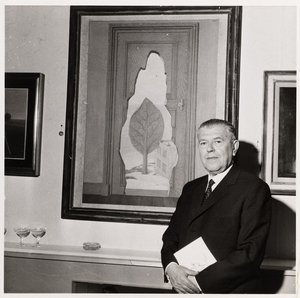
1898 - 1967 , Belgia

Explore the profound depths of Surrealism. From Dalí’s dreamscapes to Magritte’s enigmas, master the history of the subconscious mind through our expert art guide and discover museum-quality oil reproductions of the world's most iconic surrealist masterpieces.

Explore the profound mystery of René Magritte’s 'The Treachery of Images.' Dive into an expert analysis of his Surrealist philosophy, the paradox of representation, and how he challenged reality through the interplay of language and visual perception.


Bądź na bieżąco z najnowszymi wiadomościami ze świata sztuki, ekskluzywnymi ofertami i inspiracjami dekoratorskimi.
Opowiedz nam o swoim projekcie, a nasi eksperci przygotują dla Ciebie 3 spersonalizowane propozycje dzieł sztuki.
Przygotujemy dla Ciebie 3 propozycje zupełnie za darmo!


 Podgląd w skali
 Wyślij jako kartkę
 Udostępnij
 Szczegóły dzieła

 Pobierz
 Podobne obiekty
 RTG
RTG Pokaz slajdów

 Rozwiń treść







 Opcja ze szkłem jest dostępna wyłącznie w rozmiarach poniżej 110 cm