


x

Druk giclée lub płótno o jakości muzealnej, szybka realizacja i szeroki wybór opcji wykończenia. ( Zamów ręcznie malowaną reprodukcję Kup obraz wysokiej rozdzielczości)





























Wybierz spośród naszych standardowych rozmiarów, które zachowują oryginalne proporcje dzieła sztuki.

Możesz wprowadzić własne wymiary, aby dopasować dzieło do konkretnej ramy lub przestrzeni. Jeśli wybrany rozmiar nie będzie odpowiadał proporcjom oryginalnego obrazu, przytniecie dzieło lub rozszerzymy obraz za pomocą odbicia lustrzanego lub jednolitego wypełnienia krawędzi. Przed rozpoczęciem produkcji prześlemy cyfrową wizualizację do Twojej akceptacji.
Prosimy pamiętać, że podgląd na ekranie nie odzwierciedla faktycznego przycinania ani rozszerzania. Tylko wizualizacja dokładnie pokaże końcową kompozycję.
Mimo dostępności niestandardowych rozmiarów, zalecamy wybór wymiaru z listy zdefiniowanej, aby zachować oryginalne proporcje.
Dostawa na cały świat () w ciągu 2 tygodni zamiast standardowych 4/5 tygodni. (22 Sierpień)


Exercices spirituels
Wymiary reprodukcji
René Magritte’s “Exercices spirituels,” completed in 1936, stands as a quintessential example of surrealist art—a deceptively simple composition brimming with psychological depth and challenging viewers to question the nature of perception itself. This striking oil painting depicts a nude female figure positioned against a dark wall, subtly illuminated by a distant seascape glimpsed through a large, reflective sphere. Beside her rests a stack of numbered boxes, adding an element of unsettling order to the scene’s dreamlike atmosphere.
While Magritte employs meticulous realism in rendering skin tones and architectural details—particularly the wall—the overall effect transcends mere representation. Lines delineate the figure's form with precision, mirroring the geometric structure imposed by the sphere and the boxes. Texture is skillfully conveyed, hinting at the materiality of both flesh and stone. However, it’s Magritte’s masterful manipulation of light and shadow that truly elevates “Exercices spirituels,” casting dramatic contrasts which emphasize the figure’s contours and contribute to a pervasive mood of contemplation and isolation.
Created during Magritte’s formative years as a surrealist, “Exercices spirituels” aligns perfectly with André Breton and his fellow artists’ ambition to liberate the subconscious mind from rational constraints. Surrealism sought to tap into dreams, fantasies, and irrational impulses—beliefs that reality is often deceptive and that art should provoke unsettling questions about our understanding of the world. Magritte's preoccupation with visual paradoxes – juxtaposing familiar objects in unexpected ways – reflects this core principle.
The reflective sphere dominates the composition, acting as a potent symbol of distorted perception and perhaps representing an impenetrable barrier between the viewer and true understanding. It mirrors the seascape, suggesting that what we see is not necessarily what is real—a motif recurrent throughout Magritte’s oeuvre. The numbered boxes beside the figure introduce an element of bureaucratic control and underscore the pressures exerted by societal norms. Collectively, these symbols invite viewers to consider themes of confinement, identity, and the struggle for autonomy.
"Exercices spirituels" doesn't shout its message; rather, it whispers a subtle disquiet—a feeling of unease born from confronting an image that defies easy interpretation. Magritte’s deliberate ambiguity compels us to confront our own assumptions about reality and invites contemplation on the hidden dimensions of human experience. It remains a powerfully evocative artwork, demonstrating Magritte's unparalleled ability to distill complex psychological ideas into deceptively elegant visual forms.

Magritte's enduring legacy lies in his ability to make us see the familiar anew, to question our assumptions about reality, and to appreciate the power of art to provoke thought and inspire wonder. He wasn’t simply painting images; he was crafting visual paradoxes that continue to resonate with viewers decades after their creation, solidifying his position as a true master of Surrealism and a pivotal figure in 20th-century art.
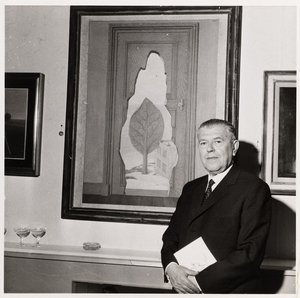
1898 - 1967 , Belgia

Explore the profound mystery of René Magritte’s 'The Treachery of Images.' Dive into an expert analysis of his Surrealist philosophy, the paradox of representation, and how he challenged reality through the interplay of language and visual perception.

Explore the profound depths of Surrealism. From Dalí’s dreamscapes to Magritte’s enigmas, master the history of the subconscious mind through our expert art guide and discover museum-quality oil reproductions of the world's most iconic surrealist masterpieces.


Bądź na bieżąco z najnowszymi wiadomościami ze świata sztuki, ekskluzywnymi ofertami i inspiracjami dekoratorskimi.
Opowiedz nam o swoim projekcie, a nasi eksperci przygotują dla Ciebie 3 spersonalizowane propozycje dzieł sztuki.
Przygotujemy dla Ciebie 3 propozycje zupełnie za darmo!


 Podgląd w skali
 Wyślij jako kartkę
 Udostępnij
 Szczegóły dzieła

 Pobierz
 Podobne obiekty
 RTG
RTG Pokaz slajdów
 Rozwiń treść







 Opcja ze szkłem jest dostępna wyłącznie w rozmiarach poniżej 110 cm


