


x

Ręcznie malowany obraz olejny na płótnie, wykonany na zamówienie przez naszych artystów w wybranym przez Ciebie wymiarze i oprawie. ( Zamów wydruk Kup obraz wysokiej rozdzielczości)





























Wybierz spośród naszych standardowych rozmiarów, które zachowują oryginalne proporcje dzieła sztuki.

Możesz wprowadzić własne wymiary, aby dopasować obraz do konkretnej ramy lub przestrzeni. Jeśli wybrany rozmiar nie będzie odpowiadał proporcjom oryginału, przytniecie dzieło sztuki lub rozszerzymy je o dodatkowe elementy, ręcznie domalowane przez artystę. Przed rozpoczęciem produkcji wyślemy projekt cyfrowy do Twojej akceptacji.
Należy pamiętać, że podgląd na ekranie nie odzwierciedla rzeczywistego przycinania ani rozszerzania obrazu. Tylko projekt dokładnie pokaże ostateczną kompozycję.
Choć oferujemy możliwość zamówienia niestandardowych rozmiarów, zalecamy wybór wymiaru z gotowej listy, aby zachować oryginalne proporcje dzieła.
Dostawa na całym świecie () w ciągu 3–4 tygodni zamiast standardowych 5 tygodni. (22 Sierpień). Bez kompromisów w kwestii jakości.


La belle captive
Wymiary reprodukcji
René Magritte's La Belle Captive (1949) is not merely a depiction of a scene; it’s an invitation to question the very nature of observation and reality. This surrealist masterpiece, rendered with Magritte’s signature meticulous technique, presents a disquieting tableau – a man framed within a viewfinder, observing a tranquil landscape punctuated by a horse-drawn carriage and three indistinct figures. The painting immediately arrests the viewer's attention, drawing them into a world where appearances are deliberately deceptive, mirroring the anxieties of the post-war era and Magritte’s profound interest in challenging conventional perceptions.
Magritte's approach to painting was characterized by an almost obsessive attention to detail combined with a deliberate rejection of traditional representational techniques. La Belle Captive exemplifies this duality. The meticulous rendering of the horse-drawn carriage, the textures of the trees, and even the subtle reflections in the viewfinder demonstrate his technical prowess. However, it is precisely this realism that heightens the painting’s unsettling effect. He employed oil on canvas with a smooth, almost enamel-like finish, creating an illusion of depth and solidity that further emphasizes the artificiality of the scene. The use of muted colors – predominantly browns, greens, and blues – contributes to the overall atmosphere of quiet contemplation and subtle unease.
Painted in 1949, during a period of significant social and political upheaval following World War II, *La Belle Captive* resonates with the anxieties of its time. The viewfinder motif is particularly potent, representing the limitations of human perception and the constructed nature of reality. It echoes Magritte’s broader exploration of themes related to identity, memory, and the subconscious – ideas that were gaining traction within the Surrealist movement. The presence of the three indistinct figures adds another layer of mystery, perhaps symbolizing the unknowable aspects of human experience or the fragmented nature of collective memory. The painting can be interpreted as a commentary on the role of media in shaping our understanding of the world, and the potential for manipulation inherent in visual representation.
La Belle Captive possesses a profound emotional impact, prompting viewers to confront their own assumptions about what they see. It’s a painting that lingers in the mind long after initial observation, inviting repeated contemplation. Magritte's work continues to resonate with contemporary audiences due to its timeless exploration of fundamental questions about perception, reality, and the human condition. A hand-painted reproduction of this iconic artwork offers an unparalleled opportunity to experience the power and beauty of Magritte’s vision – a window into the unseen, forever challenging our understanding of the world around us.

Magritte's enduring legacy lies in his ability to make us see the familiar anew, to question our assumptions about reality, and to appreciate the power of art to provoke thought and inspire wonder. He wasn’t simply painting images; he was crafting visual paradoxes that continue to resonate with viewers decades after their creation, solidifying his position as a true master of Surrealism and a pivotal figure in 20th-century art.
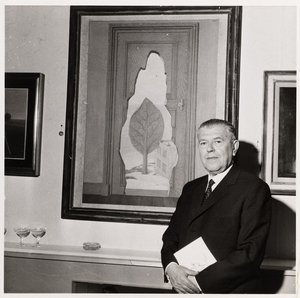
1898 - 1967 , Belgia

Explore the profound mystery of René Magritte’s 'The Treachery of Images.' Dive into an expert analysis of his Surrealist philosophy, the paradox of representation, and how he challenged reality through the interplay of language and visual perception.

Elevate your design projects with Most-Famous-Paintings's premium canvas prints and hand-painted reproductions. Discover affordable, museum-quality wall decor delivered worldwide, offering freelance decorators professional excellence, archival durability, and bespoke customization for every space.


Bądź na bieżąco z najnowszymi wiadomościami ze świata sztuki, ekskluzywnymi ofertami i inspiracjami dekoratorskimi.
Opowiedz nam o swoim projekcie, a nasi eksperci przygotują dla Ciebie 3 spersonalizowane propozycje dzieł sztuki.
Przygotujemy dla Ciebie 3 propozycje zupełnie za darmo!


 Podgląd w skali
 Wyślij jako kartkę
 Udostępnij
 Szczegóły dzieła

 Pobierz
 Podobne obiekty
 RTG
RTG Pokaz slajdów

 Rozwiń treść







 Opcja ze szkłem jest dostępna wyłącznie w rozmiarach poniżej 110 cm


