x

Druk giclée lub płótno o jakości muzealnej, szybka realizacja i szeroki wybór opcji wykończenia. ( Zamów ręcznie malowaną reprodukcję Kup obraz wysokiej rozdzielczości)





























Wybierz spośród naszych standardowych rozmiarów, które zachowują oryginalne proporcje dzieła sztuki.

Możesz wprowadzić własne wymiary, aby dopasować dzieło do konkretnej ramy lub przestrzeni. Jeśli wybrany rozmiar nie będzie odpowiadał proporcjom oryginalnego obrazu, przytniecie dzieło lub rozszerzymy obraz za pomocą odbicia lustrzanego lub jednolitego wypełnienia krawędzi. Przed rozpoczęciem produkcji prześlemy cyfrową wizualizację do Twojej akceptacji.
Prosimy pamiętać, że podgląd na ekranie nie odzwierciedla faktycznego przycinania ani rozszerzania. Tylko wizualizacja dokładnie pokaże końcową kompozycję.
Mimo dostępności niestandardowych rozmiarów, zalecamy wybór wymiaru z listy zdefiniowanej, aby zachować oryginalne proporcje.
Dostawa na cały świat () w ciągu 2 tygodni zamiast standardowych 4/5 tygodni. (20 Sierpień)


La Modéle rouge
Wymiary reprodukcji
René Magritte's La Modèle Rouge, a deceptively simple depiction of two feet clad in black boots against a verdant wall, is far more than a mere still life. It’s a potent meditation on perception, representation, and the unsettling nature of reality – hallmarks of the artist’s signature Surrealist style. Painted by Magritte around 1937, this work exemplifies his deliberate rejection of traditional artistic conventions, opting instead to challenge the viewer's assumptions about what they are seeing.
Magritte was deeply influenced by the burgeoning Surrealist movement, which sought to liberate art from the constraints of rational thought and conscious control. He embraced the idea of juxtaposing incongruous elements – as seen here – to provoke a subconscious response in the viewer. His work aligns with the broader Surrealist project of disrupting established visual norms, questioning the relationship between image and reality. This approach was partly inspired by his early life experiences, particularly the trauma of his mother's death, which fueled his preoccupation with hidden meanings and obscured identities.
The painting’s composition echoes the work of masters like Vermeer, but Magritte subverts this classical influence through his deliberate ambiguity. The boots could be interpreted as symbols of protection, concealment, or even a veiled representation of the female form itself – echoing themes explored in his earlier works where the faces of women are often obscured.
Magritte’s technique is characterized by meticulous detail within a limited scope. He employed oil paints with a smooth, almost enamel-like finish, creating a sense of stillness and precision. The rendering of the boots is particularly noteworthy – each crease, shadow, and reflection is rendered with painstaking accuracy. This technical mastery serves to heighten the painting’s unsettling effect; the realism of the boots contrasts sharply with their reduced context, amplifying the feeling of disorientation.
The green background, likely applied in multiple layers, contributes to the overall sense of depth and atmosphere. It's a color often associated with nature and fertility, yet here it feels strangely detached and artificial, further contributing to the painting’s dreamlike quality.
La Modèle Rouge is laden with symbolic potential. The obscured feet can be seen as a representation of lost identity or the difficulty in grasping the complete truth. The red skin tone, reminiscent of his mother’s death scene, subtly alludes to themes of grief, memory, and the enduring power of trauma. Magritte's work consistently explores the idea that reality is often constructed through our perceptions, and that what we see may not be what truly exists. This painting invites us to confront the unsettling possibility that appearances can be deceiving, and that beneath the surface lies a world of hidden meanings.

Magritte's enduring legacy lies in his ability to make us see the familiar anew, to question our assumptions about reality, and to appreciate the power of art to provoke thought and inspire wonder. He wasn’t simply painting images; he was crafting visual paradoxes that continue to resonate with viewers decades after their creation, solidifying his position as a true master of Surrealism and a pivotal figure in 20th-century art.
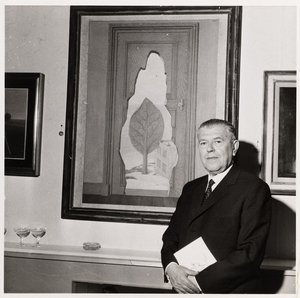
1898 - 1967 , Belgia

Explore the profound mystery of René Magritte’s 'The Treachery of Images.' Dive into an expert analysis of his Surrealist philosophy, the paradox of representation, and how he challenged reality through the interplay of language and visual perception.

Elevate your design projects with Most-Famous-Paintings's premium canvas prints and hand-painted reproductions. Discover affordable, museum-quality wall decor delivered worldwide, offering freelance decorators professional excellence, archival durability, and bespoke customization for every space.


Bądź na bieżąco z najnowszymi wiadomościami ze świata sztuki, ekskluzywnymi ofertami i inspiracjami dekoratorskimi.
Opowiedz nam o swoim projekcie, a nasi eksperci przygotują dla Ciebie 3 spersonalizowane propozycje dzieł sztuki.
Przygotujemy dla Ciebie 3 propozycje zupełnie za darmo!


 Podgląd w skali
 Wyślij jako kartkę
 Udostępnij
 Szczegóły dzieła

 Pobierz
 Podobne obiekty
 RTG
RTG Pokaz slajdów

 Rozwiń treść







 Opcja ze szkłem jest dostępna wyłącznie w rozmiarach poniżej 110 cm