x

Ręcznie malowany obraz olejny na płótnie, wykonany na zamówienie przez naszych artystów w wybranym przez Ciebie wymiarze i oprawie. ( Zamów wydruk Kup obraz wysokiej rozdzielczości)





























Wybierz spośród naszych standardowych rozmiarów, które zachowują oryginalne proporcje dzieła sztuki.

Możesz wprowadzić własne wymiary, aby dopasować obraz do konkretnej ramy lub przestrzeni. Jeśli wybrany rozmiar nie będzie odpowiadał proporcjom oryginału, przytniecie dzieło sztuki lub rozszerzymy je o dodatkowe elementy, ręcznie domalowane przez artystę. Przed rozpoczęciem produkcji wyślemy projekt cyfrowy do Twojej akceptacji.
Należy pamiętać, że podgląd na ekranie nie odzwierciedla rzeczywistego przycinania ani rozszerzania obrazu. Tylko projekt dokładnie pokaże ostateczną kompozycję.
Choć oferujemy możliwość zamówienia niestandardowych rozmiarów, zalecamy wybór wymiaru z gotowej listy, aby zachować oryginalne proporcje dzieła.
Dostawa na całym świecie () w ciągu 3–4 tygodni zamiast standardowych 5 tygodni. (18 Sierpień). Bez kompromisów w kwestii jakości.


La parabole
Wymiary reprodukcji
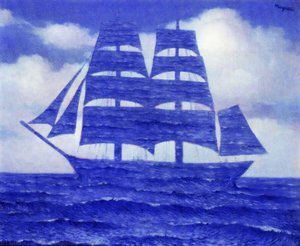
René Magritte’s “La parabole,” painted in 1955, stands as a quintessential example of surrealist art—a genre that sought to liberate imagination from rational constraints and explore the subconscious realm. More than just an aesthetically pleasing image, it's a deliberate provocation, inviting viewers to question their perceptions of reality and delve into the complexities of human experience.
Magritte executed “La parabole” in gouache—a watercolor-based medium known for its opacity and ability to achieve rich, velvety tones. This technique lends itself beautifully to capturing the muted palette characteristic of Magritte’s oeuvre, emphasizing subtle gradations of color rather than bold hues. The artist meticulously blended shades of grey and ochre, creating an atmosphere of quiet contemplation.
"La parabole" emerged during the height of Magritte's engagement with surrealism—a movement born from the Dada nihilism of World War I and fueled by psychoanalytic theories pioneered by Sigmund Freud. Surrealists aimed to tap into dreams, fantasies, and irrational impulses as sources of artistic inspiration.
“The painter must depict what he sees,” Magritte famously declared, “but not necessarily what is there.” This statement encapsulates the core principle of surrealist art—the rejection of literal representation in favor of symbolic imagery that challenges conventional notions of truth. The painting’s central figure stands silently observing the buildings and trees, embodying the viewer's role as active participant in interpreting the artwork’s meaning.The most striking element of “La parabole” is its paradoxical juxtaposition of familiar objects—buildings and trees—within an unfamiliar setting. This visual dissonance underscores Magritte's preoccupation with the elusive nature of perception and his exploration of the gap between appearance and reality. The white house, often interpreted as representing intellect or enlightenment, obscures the face of the person in the foreground, symbolizing hidden knowledge and the impossibility of fully grasping the world around us.
"La parabole" lingers in the viewer’s mind long after encountering it—provoking contemplation about fundamental questions concerning consciousness and experience. Its quiet stillness and understated beauty invite introspection, prompting us to consider how our perceptions shape our understanding of reality. Magritte's masterpiece continues to resonate with audiences today as a testament to the enduring power of surrealist art to unsettle expectations and illuminate hidden truths.

Magritte's enduring legacy lies in his ability to make us see the familiar anew, to question our assumptions about reality, and to appreciate the power of art to provoke thought and inspire wonder. He wasn’t simply painting images; he was crafting visual paradoxes that continue to resonate with viewers decades after their creation, solidifying his position as a true master of Surrealism and a pivotal figure in 20th-century art.
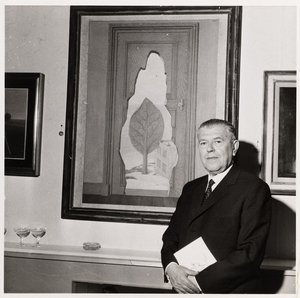
1898 - 1967 , Belgia

Explore the profound mystery of René Magritte’s 'The Treachery of Images.' Dive into an expert analysis of his Surrealist philosophy, the paradox of representation, and how he challenged reality through the interplay of language and visual perception.

Explore the profound depths of Surrealism. From Dalí’s dreamscapes to Magritte’s enigmas, master the history of the subconscious mind through our expert art guide and discover museum-quality oil reproductions of the world's most iconic surrealist masterpieces.


Bądź na bieżąco z najnowszymi wiadomościami ze świata sztuki, ekskluzywnymi ofertami i inspiracjami dekoratorskimi.
Opowiedz nam o swoim projekcie, a nasi eksperci przygotują dla Ciebie 3 spersonalizowane propozycje dzieł sztuki.
Przygotujemy dla Ciebie 3 propozycje zupełnie za darmo!


 Podgląd w skali
 Wyślij jako kartkę
 Udostępnij
 Szczegóły dzieła

 Pobierz
 Podobne obiekty
 RTG
RTG Pokaz slajdów
 Rozwiń treść







 Opcja ze szkłem jest dostępna wyłącznie w rozmiarach poniżej 110 cm