x

 Acrylic On CanvasWallArtSurrealist Manifestation
 1920Modern
 83.0 x 64.0 cm
Ręcznie malowany obraz olejny na płótnie, wykonany na zamówienie przez naszych artystów w wybranym przez Ciebie wymiarze i oprawie. ( Zamów wydruk Kup obraz wysokiej rozdzielczości)





























Wybierz spośród naszych standardowych rozmiarów, które zachowują oryginalne proporcje dzieła sztuki.

Możesz wprowadzić własne wymiary, aby dopasować obraz do konkretnej ramy lub przestrzeni. Jeśli wybrany rozmiar nie będzie odpowiadał proporcjom oryginału, przytniecie dzieło sztuki lub rozszerzymy je o dodatkowe elementy, ręcznie domalowane przez artystę. Przed rozpoczęciem produkcji wyślemy projekt cyfrowy do Twojej akceptacji.
Należy pamiętać, że podgląd na ekranie nie odzwierciedla rzeczywistego przycinania ani rozszerzania obrazu. Tylko projekt dokładnie pokaże ostateczną kompozycję.
Choć oferujemy możliwość zamówienia niestandardowych rozmiarów, zalecamy wybór wymiaru z gotowej listy, aby zachować oryginalne proporcje dzieła.
Dostawa na całym świecie () w ciągu 3–4 tygodni zamiast standardowych 5 tygodni. (15 Sierpień). Bez kompromisów w kwestii jakości.


Landscape
Wymiary reprodukcji
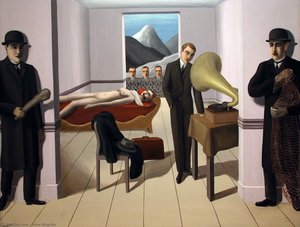
René Magritte's “Landscape,” painted in 1920, is not merely a depiction of a scene; it’s an immersion into the subconscious, a meticulously crafted puzzle designed to challenge our very understanding of reality. Measuring 83 x 64 cm, this intimate work embodies the nascent surrealism that would define Magritte's career and profoundly influence generations of artists. The painting immediately arrests the viewer with its unsettling juxtaposition: a nude figure emerges from a dark, almost oppressive background, their back intertwined with the gnarled branches of trees that possess distinctly human faces. These arboreal figures, rendered in meticulous detail, are not simply decorative elements; they represent a potent symbol of memory and perhaps, the lingering presence of trauma – a direct echo of Magritte’s own childhood experience following his mother's death.
Painted in 1920, “Landscape” represents a crucial moment in Magritte’s artistic development, firmly establishing his interest in exploring the realms beyond rational perception. The year coincides with his move to Brussels and his increasing engagement with avant-garde movements. However, this work transcends simple categorization; it's deeply rooted in personal experience. The image of his mother’s corpse, recovered from the Sambre River, became a recurring motif, symbolizing not just grief but also the impossibility of truly knowing or representing the past. This early trauma fueled Magritte’s lifelong preoccupation with illusion and deception – the idea that what we perceive is often far removed from objective reality. The two birds subtly placed within the composition—one at the top left, one at the bottom right—add another layer of ambiguity, perhaps symbolizing fleeting thoughts or lost opportunities.
The symbolism within “Landscape” is layered and deliberately ambiguous. The naked figure can be interpreted as a representation of vulnerability, mortality, or even the artist himself confronting his own subconscious. The trees with faces are arguably the most compelling element, representing memory, judgment, or perhaps the silent witnesses to human suffering. Magritte’s masterful use of dark tones amplifies this sense of unease and invites viewers to confront uncomfortable questions about perception, identity, and the nature of reality. The overall effect is profoundly unsettling, prompting a deep engagement with the artwork's emotional core.
“Landscape” stands as an early example of Magritte’s mature style, foreshadowing his later explorations of surrealist themes. Created during a period of significant artistic experimentation—with movements like Dadaism and Futurism challenging traditional notions of art—Magritte's work quickly distinguished itself through its intellectual rigor and unsettling imagery. This painting demonstrates the artist's early commitment to disrupting conventional representations and inviting viewers to question their assumptions about the world around them. Its meticulous detail and haunting atmosphere continue to captivate audiences today, solidifying Magritte’s place as one of the 20th century’s most influential artists.

Magritte's enduring legacy lies in his ability to make us see the familiar anew, to question our assumptions about reality, and to appreciate the power of art to provoke thought and inspire wonder. He wasn’t simply painting images; he was crafting visual paradoxes that continue to resonate with viewers decades after their creation, solidifying his position as a true master of Surrealism and a pivotal figure in 20th-century art.
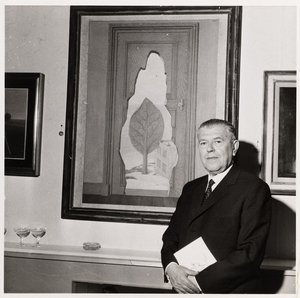
1898 - 1967 , Belgia
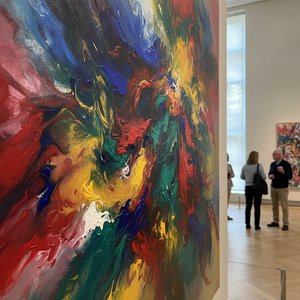
Explore the profound emotional depth of Lyrical Abstraction. Discover how masters like Raymond Parker used color and form to bridge Impressionism and Abstract Expressionism. Learn about this pivotal movement through our expert-led art history guide.

Explore the profound mystery of René Magritte’s 'The Treachery of Images.' Dive into an expert analysis of his Surrealist philosophy, the paradox of representation, and how he challenged reality through the interplay of language and visual perception.


Bądź na bieżąco z najnowszymi wiadomościami ze świata sztuki, ekskluzywnymi ofertami i inspiracjami dekoratorskimi.
Opowiedz nam o swoim projekcie, a nasi eksperci przygotują dla Ciebie 3 spersonalizowane propozycje dzieł sztuki.
Przygotujemy dla Ciebie 3 propozycje zupełnie za darmo!


 Podgląd w skali
 Wyślij jako kartkę
 Udostępnij
 Szczegóły dzieła

 Pobierz
 Podobne obiekty
 RTG
RTG Pokaz slajdów
 Rozwiń treść







 Opcja ze szkłem jest dostępna wyłącznie w rozmiarach poniżej 110 cm