


x

Druk giclée lub płótno o jakości muzealnej, szybka realizacja i szeroki wybór opcji wykończenia. ( Zamów ręcznie malowaną reprodukcję Kup obraz wysokiej rozdzielczości)





























Wybierz spośród naszych standardowych rozmiarów, które zachowują oryginalne proporcje dzieła sztuki.

Możesz wprowadzić własne wymiary, aby dopasować dzieło do konkretnej ramy lub przestrzeni. Jeśli wybrany rozmiar nie będzie odpowiadał proporcjom oryginalnego obrazu, przytniecie dzieło lub rozszerzymy obraz za pomocą odbicia lustrzanego lub jednolitego wypełnienia krawędzi. Przed rozpoczęciem produkcji prześlemy cyfrową wizualizację do Twojej akceptacji.
Prosimy pamiętać, że podgląd na ekranie nie odzwierciedla faktycznego przycinania ani rozszerzania. Tylko wizualizacja dokładnie pokaże końcową kompozycję.
Mimo dostępności niestandardowych rozmiarów, zalecamy wybór wymiaru z listy zdefiniowanej, aby zachować oryginalne proporcje.
Dostawa na cały świat () w ciągu 2 tygodni zamiast standardowych 4/5 tygodni. (22 Sierpień)


Prince Charming
Wymiary reprodukcji
René Magritte’s “Prince Charming,” painted in 1948, is far more than a mere depiction of two birds perched upon rugged stones; it serves as a profound invitation to contemplate the elusive nature of perception itself. This surrealist masterpiece captures a moment suspended between observation and concealment, presenting a visual puzzle that continues to fascinate viewers decades after its creation. Within this composition, Magritte achieves a delicate balance of meticulous realism and deliberately unsettling distortions. He employs oil paint on canvas with such precision that the textures of stone and plumage feel tangibly real, yet he subtly manipulates perspective and scale. By placing these small creatures within a mountainous landscape that feels disproportionately vast, he heightens a sense of unease, drawing the viewer into a world where the familiar becomes strange.
The historical context of this work is deeply rooted in the height of Surrealist experimentation following World War II. Influenced by the psychological depths explored by thinkers like Sigmund Freud and André Breton, Magritte sought to liberate the subconscious mind from the constraints of rational thought. Through “Prince Charming,” he rejects straightforward representation in favor of a visual language that prioritizes mood and suggestion. The painting embodies the spirit of an era searching for truth within dreamlike imagery and illogical juxtapositions, making it a quintessential example of the Vache period, where Magritte’s symbolic depth reached new heights of complexity.
Every element within this enigmatic scene is heavy with meaning, designed to provoke thought in the observer. The black bird, with its unwavering and intense gaze, appears to confront the viewer directly, posing an unspoken question that lingers in the mind. Its posture exudes a certain authority and confidence, yet there is an underlying hint of vulnerability in its isolation. In stark contrast, the white bird stands apart, bathed in a softer, more ethereal light. This figure often represents purity or innocence, creating a powerful tension against the imposing, dark backdrop of the mountain. This duality—the interplay between light and shadow, strength and fragility—is a hallmark of Magritte’s preoccupation with hidden meanings and the layers of reality that exist beneath the surface.
For the collector or interior designer, this piece offers an unparalleled emotional depth. The dark, moody palette contributes to an atmosphere of contemplative stillness, punctuated by subtle, underlying tensions. It is a work that does not merely decorate a space but transforms it, providing a focal point for deep reflection and conversation. Whether placed in a modern gallery setting or a sophisticated private study, the painting’s ability to evoke both mystery and tranquility makes it a timeless addition to any curated collection of fine art reproductions.

Magritte's enduring legacy lies in his ability to make us see the familiar anew, to question our assumptions about reality, and to appreciate the power of art to provoke thought and inspire wonder. He wasn’t simply painting images; he was crafting visual paradoxes that continue to resonate with viewers decades after their creation, solidifying his position as a true master of Surrealism and a pivotal figure in 20th-century art.
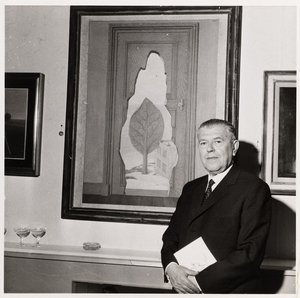
1898 - 1967 , Belgia

Explore the profound mystery of René Magritte’s 'The Treachery of Images.' Dive into an expert analysis of his Surrealist philosophy, the paradox of representation, and how he challenged reality through the interplay of language and visual perception.

Explore the profound depths of Surrealism. From Dalí’s dreamscapes to Magritte’s enigmas, master the history of the subconscious mind through our expert art guide and discover museum-quality oil reproductions of the world's most iconic surrealist masterpieces.

Explore the profound depths of Surrealism with our expert guide. From Dalí's dreamscapes to Breton's manifesto, uncover the history, symbolism, and technical mastery of this revolutionary movement. Perfect for students and collectors seeking deep art-historical insight.


Bądź na bieżąco z najnowszymi wiadomościami ze świata sztuki, ekskluzywnymi ofertami i inspiracjami dekoratorskimi.
Opowiedz nam o swoim projekcie, a nasi eksperci przygotują dla Ciebie 3 spersonalizowane propozycje dzieł sztuki.
Przygotujemy dla Ciebie 3 propozycje zupełnie za darmo!


 Podgląd w skali
 Wyślij jako kartkę
 Udostępnij
 Szczegóły dzieła

 Pobierz
 Podobne obiekty
 RTG
RTG Pokaz slajdów

 Rozwiń treść







 Opcja ze szkłem jest dostępna wyłącznie w rozmiarach poniżej 110 cm


