x

 Acrylic On CanvasWallArtSurrealism
 1926
1926 75.0 x 65.0 cm
Druk giclée lub płótno o jakości muzealnej, szybka realizacja i szeroki wybór opcji wykończenia. ( Zamów ręcznie malowaną reprodukcję Kup obraz wysokiej rozdzielczości)





























Wybierz spośród naszych standardowych rozmiarów, które zachowują oryginalne proporcje dzieła sztuki.

Możesz wprowadzić własne wymiary, aby dopasować dzieło do konkretnej ramy lub przestrzeni. Jeśli wybrany rozmiar nie będzie odpowiadał proporcjom oryginalnego obrazu, przytniecie dzieło lub rozszerzymy obraz za pomocą odbicia lustrzanego lub jednolitego wypełnienia krawędzi. Przed rozpoczęciem produkcji prześlemy cyfrową wizualizację do Twojej akceptacji.
Prosimy pamiętać, że podgląd na ekranie nie odzwierciedla faktycznego przycinania ani rozszerzania. Tylko wizualizacja dokładnie pokaże końcową kompozycję.
Mimo dostępności niestandardowych rozmiarów, zalecamy wybór wymiaru z listy zdefiniowanej, aby zachować oryginalne proporcje.
Dostawa na cały świat () w ciągu 2 tygodni zamiast standardowych 4/5 tygodni. (14 Sierpień)


The conqueror
Wymiary reprodukcji
René Magritte’s “The Conqueror,” painted in 1926, stands as a deceptively simple yet profoundly unsettling emblem of existential questioning. This artwork immediately grabs the viewer's attention with its striking visual paradox – a man dressed impeccably in formal attire, complete with bow tie and suit jacket, is obscured by a wooden box that covers his face.
Historical Context: Created during the height of Surrealist experimentation—a movement spearheaded by André Breton— “The Conqueror” reflects the broader intellectual currents of the era. Surrealists sought to liberate thought from rational constraints, exploring subconscious desires and anxieties through fantastical imagery. Magritte’s work aligns with this ethos, questioning accepted notions of perception and challenging viewers to confront hidden layers of meaning.
Symbolism & Interpretation: The wooden box covering the man's face is arguably the painting’s central symbol—representing concealment, repression, and perhaps the suppression of identity. It suggests that what we perceive as “reality” may be merely a façade concealing deeper truths. The mountainous landscape serves as a counterpoint to this confinement, symbolizing resilience, permanence, and the enduring power of nature. Magritte deliberately avoids providing definitive answers, inviting contemplation about the complexities of human experience.
Emotional Impact: "The Conqueror" evokes a palpable sense of unease and intrigue. Its quiet stillness belies its intellectual depth, prompting viewers to consider questions of selfhood and the limitations of conscious awareness. The artwork’s understated beauty underscores the unsettling nature of its message—a reminder that appearances can deceive and that true understanding requires venturing beyond the surface.

Magritte's enduring legacy lies in his ability to make us see the familiar anew, to question our assumptions about reality, and to appreciate the power of art to provoke thought and inspire wonder. He wasn’t simply painting images; he was crafting visual paradoxes that continue to resonate with viewers decades after their creation, solidifying his position as a true master of Surrealism and a pivotal figure in 20th-century art.
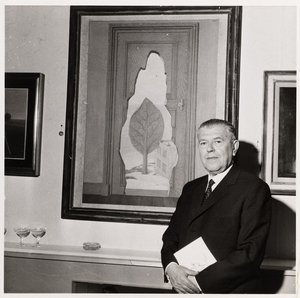
1898 - 1967 , Belgia

Explore the profound depths of Surrealism. From Dalí’s dreamscapes to Magritte’s enigmas, master the history of the subconscious mind through our expert art guide and discover museum-quality oil reproductions of the world's most iconic surrealist masterpieces.

Explore the profound depths of Surrealism with our expert guide. From Dalí's dreamscapes to Breton's manifesto, uncover the history, symbolism, and technical mastery of this revolutionary movement. Perfect for students and collectors seeking deep art-historical insight.


Bądź na bieżąco z najnowszymi wiadomościami ze świata sztuki, ekskluzywnymi ofertami i inspiracjami dekoratorskimi.
Opowiedz nam o swoim projekcie, a nasi eksperci przygotują dla Ciebie 3 spersonalizowane propozycje dzieł sztuki.
Przygotujemy dla Ciebie 3 propozycje zupełnie za darmo!


 Podgląd w skali
 Wyślij jako kartkę
 Udostępnij
 Szczegóły dzieła

 Pobierz
 Podobne obiekty
 RTG
RTG Pokaz slajdów
 Rozwiń treść







 Opcja ze szkłem jest dostępna wyłącznie w rozmiarach poniżej 110 cm