x


Druk giclée lub płótno o jakości muzealnej z szybką realizacją i szerokim wyborem opcji wykończenia. ( Switch to hand made Painting Switch to Image)





























Wybierz spośród naszych predefiniowanych rozmiarów, które zachowują oryginalne proporcje dzieła sztuki.

Możesz wprowadzić własne wymiary, aby dopasować dzieło do konkretnej ramy lub przestrzeni. Jeśli wybrany rozmiar nie będzie odpowiadał proporcjom oryginalnego obrazu, przytniecie dzieło lub rozszerzymy obraz za pomocą odbicia lustrzanego lub jednolitego wypełnienia krawędzi. Przed rozpoczęciem produkcji prześlemy cyfrową wizualizację do Twojej akceptacji.
Prosimy pamiętać, że podgląd na ekranie nie odzwierciedla faktycznego przycinania ani rozszerzania. Tylko wizualizacja dokładnie pokaże końcową kompozycję.
Mimo dostępności niestandardowych rozmiarów, zalecamy wybór wymiaru z listy zdefiniowanej, aby zachować oryginalne proporcje.
Dostawa na cały świat () w ciągu 2 tygodni zamiast standardowych 4/5 tygodni. (28 Lipiec)


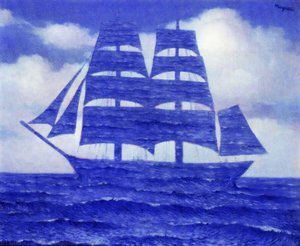
The flash
Wymiary reprodukcji
René Magritte's "The Flash," painted in 1959, is not merely a depiction of a tree and its blossoms; it’s an arresting invitation to question the very nature of reality. This seemingly simple still life, rendered with Magritte’s signature meticulous detail and unsettling juxtapositions, embodies the core tenets of Surrealism – a movement dedicated to unlocking the subconscious mind and challenging conventional ways of seeing. The painting immediately draws the viewer in with its vibrant palette: the deep purple hues of the leaves contrast sharply with the luminous white of the flowers, while the cool blues of the sky peek through the gaps in the foliage, creating an almost dreamlike atmosphere.
Magritte’s technique is deceptively straightforward. He employs a precise, almost photographic realism, meticulously rendering each leaf and petal as if capturing them with a camera. However, this technical mastery serves to heighten the painting's surreal effect. The tree itself appears slightly off-kilter, its branches reaching towards the sky in an unnatural manner. More significantly, the inclusion of the open blue sky behind the foliage is profoundly disorienting. It suggests that what we perceive as a solid, contained natural scene is actually an illusion, a window into something beyond our immediate understanding. This deliberate disruption of spatial relationships is characteristic of Magritte’s work and reflects his broader interest in exposing the constructed nature of visual representation.
“The Flash” is laden with symbolic meaning, deeply rooted in Magritte's personal experiences and philosophical leanings. The recurring motif of obscured faces – a hallmark of his oeuvre – subtly echoes the trauma he experienced as a child when his mother’s body was recovered from the River Sambre, her face hidden beneath her dress. This event instilled within him a fascination with what remains unseen, with the mysteries that lie just beyond our perception. In "The Flash," this theme is manifested through the fragmented nature of the tree and flowers; they are not presented as whole entities but rather as partial representations, hinting at something incomplete or obscured.
Furthermore, the title itself – “The Flash” – carries a double meaning. It refers to both the speed of light and the fleeting nature of perception. Magritte seems to be suggesting that our experience of reality is inherently transient and unstable, constantly shifting and subject to interpretation. The white flowers, often associated with purity and innocence, are presented in this context as vulnerable and exposed, further emphasizing the fragility of our understanding.
Created during the height of the Surrealist movement, “The Flash” aligns perfectly with the group’s core principles. Surrealism sought to liberate art from the constraints of logic and reason, exploring the realm of dreams, fantasies, and the unconscious mind. Magritte, along with artists like Salvador Dalí and Max Ernst, embraced this approach, creating works that defied conventional expectations and provoked viewers to reconsider their assumptions about the world.
Magritte’s work was influenced by a diverse range of sources, including Symbolism, Cubism, and Dadaism. However, he developed a unique style characterized by meticulous detail, precise composition, and a deliberate use of incongruity. “The Flash” exemplifies this approach, seamlessly blending realism with surrealism to create an image that is both familiar and unsettling.
“The Flash” remains one of René Magritte’s most iconic works, captivating viewers with its enigmatic beauty and profound philosophical implications. It's a testament to the artist's ability to transform the mundane into the extraordinary, prompting us to question our perceptions and consider the hidden realities that lie beneath the surface of everyday life. A reproduction of this piece offers a unique opportunity to bring this thought-provoking artwork into your home or office, serving as a constant reminder of the power of art to challenge and inspire.

Magritte's enduring legacy lies in his ability to make us see the familiar anew, to question our assumptions about reality, and to appreciate the power of art to provoke thought and inspire wonder. He wasn’t simply painting images; he was crafting visual paradoxes that continue to resonate with viewers decades after their creation, solidifying his position as a true master of Surrealism and a pivotal figure in 20th-century art.
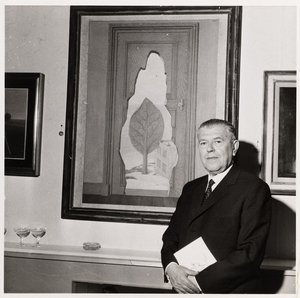
1898 - 1967 , Belgia
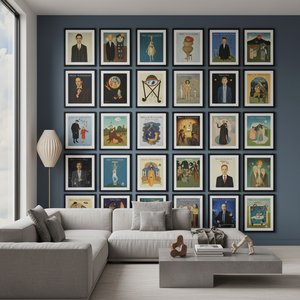
Odkryj 25 najbardziej znanych obrazów René Magritte'a – arcydzieł surrealizmu pełnych tajemnicy i symboliki. Poznaj historie, techniki i inspiracje tego belgijskiego mistrza. Reprodukcje najwyższej jakości na Most-Famous-Paintings.com! Eksploruj kolekcję online.

Odkryj 10 najsłynniejszych obrazów, w których biel dominuje i tworzy wyjątkową atmosferę. Poznaj historie Moneta, Van Gogha i innych mistrzów! Reprodukcje najwyższej jakości na Most-Famous-Paintings.com – inspiracje wnętrzarskie i kolekcjonerstwo sztuki online.
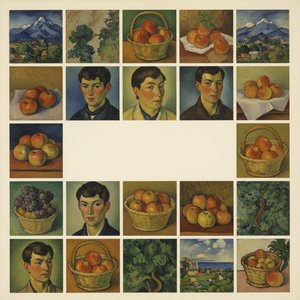
Odkryj 25 arcydzieł Paula Cézanne'a – od impresjonizmu po postimpresjonizm. Poznaj historie, techniki i inspiracje malarza, który zrewolucjonizował sztukę. Reprodukcje obrazów najwyższej jakości na Most-Famous-Paintings.com!

Odkryj fascynującą historię drzew w malarstwie! Poznaj symbolikę, interpretacje i wpływ tego archetypu na sztukę od antyku do współczesności. Ekspercka analiza dla miłośników historii sztuki.

Explore the rich history of trees in painting! Discover symbolism, Romantic masterpieces by Caspar David Friedrich & beyond. A curated journey for art enthusiasts.


Bądź na bieżąco z najnowszymi wiadomościami ze świata sztuki, ekskluzywnymi ofertami i inspiracjami dekoratorskimi.
Opowiedz nam o swoim projekcie, a nasi eksperci od sztuki przygotują dla Ciebie 3 spersonalizowane propozycje dzieł sztuki.
Pozwól nam przygotować 3 propozycje specjalnie dla Ciebie – za darmo!


 Preview
 Udostępnij
 Udostępnij
 Szczegóły dzieła

 Pobierz
 Podobne obiekty
 RTG
RTG Pokaz slajdów

 Rozwiń treść







 Opcja szkła jest dostępna wyłącznie w rozmiarach poniżej 110 cm