x

Druk giclée lub płótno o jakości muzealnej, szybka realizacja i szeroki wybór opcji wykończenia. ( Zamów ręcznie malowaną reprodukcję Kup obraz wysokiej rozdzielczości)





























Wybierz spośród naszych standardowych rozmiarów, które zachowują oryginalne proporcje dzieła sztuki.

Możesz wprowadzić własne wymiary, aby dopasować dzieło do konkretnej ramy lub przestrzeni. Jeśli wybrany rozmiar nie będzie odpowiadał proporcjom oryginalnego obrazu, przytniecie dzieło lub rozszerzymy obraz za pomocą odbicia lustrzanego lub jednolitego wypełnienia krawędzi. Przed rozpoczęciem produkcji prześlemy cyfrową wizualizację do Twojej akceptacji.
Prosimy pamiętać, że podgląd na ekranie nie odzwierciedla faktycznego przycinania ani rozszerzania. Tylko wizualizacja dokładnie pokaże końcową kompozycję.
Mimo dostępności niestandardowych rozmiarów, zalecamy wybór wymiaru z listy zdefiniowanej, aby zachować oryginalne proporcje.
Dostawa na cały świat () w ciągu 2 tygodni zamiast standardowych 4/5 tygodni. (18 Sierpień)


The imaginative faculty
Wymiary reprodukcji
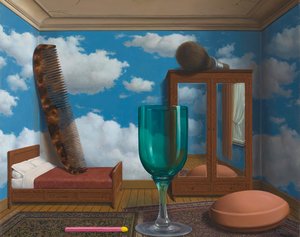
René Magritte’s “The Imaginative Faculty,” painted in 1948, is not merely a depiction of a candle and eggs; it's an invitation to contemplate the very nature of perception and reality. This surrealist masterpiece, born from the artist’s profound engagement with the unseen and the unsettling, embodies Magritte’s signature style – a deliberate disruption of familiar imagery designed to provoke thought and challenge conventional understanding.
The painting's subject matter is deceptively simple: a solitary candle flame illuminating three eggs nestled within a woven wicker basket. The warm glow of the flame, rendered with meticulous attention to detail, creates an atmosphere of quiet contemplation, while the eggs, positioned strategically around the light source, introduce an element of fragility and potential. This juxtaposition immediately draws the viewer into a realm where logic and symbolism intertwine.
Executed in the style characteristic of Magritte's mature work, “The Imaginative Faculty” showcases his mastery of meticulous realism applied to utterly illogical scenarios. He employed a precise, almost photographic technique – a hallmark of his approach – to render each element with startling clarity. The smooth brushstrokes and careful attention to texture contribute to the painting’s unsettling effect; the viewer is confronted with an image that simultaneously feels familiar and profoundly strange.
Painted during the post-war period, “The Imaginative Faculty” reflects the broader anxieties and intellectual currents of Surrealism. Magritte, like his fellow surrealists, sought to liberate art from the constraints of rational representation, exploring the subconscious mind and challenging societal norms. His work aligns with a movement that questioned established beliefs about reality, influenced by psychoanalytic theories and a growing interest in dreams and the irrational.
The symbolism within “The Imaginative Faculty” is rich and layered, deeply rooted in Magritte’s personal history and artistic concerns. The candle flame itself can be interpreted as a symbol of enlightenment or awareness, while the eggs represent potential, fertility, and perhaps even the fragile nature of memory – echoing the haunting image of his mother's drowned body that profoundly shaped his early life.
Magritte’s deliberate ambiguity invites viewers to project their own interpretations onto the scene, fostering a deeply personal engagement with the artwork. The painting's emotional impact is one of quiet unease and profound contemplation – a reminder that reality itself may be far more elusive than we perceive.
Most-Famous-Paintings offers meticulously crafted hand-painted reproductions of “The Imaginative Faculty,” ensuring the preservation of Magritte’s artistic vision. Our skilled artisans employ traditional techniques to faithfully recreate every detail, from the subtle nuances of the candle flame to the texture of the wicker basket. Whether you are an art collector seeking a unique addition to your collection or an interior designer aiming to evoke a sense of mystery and intellectual curiosity in your space, our reproductions provide an authentic and enduring representation of this iconic surrealist masterpiece.

Magritte's enduring legacy lies in his ability to make us see the familiar anew, to question our assumptions about reality, and to appreciate the power of art to provoke thought and inspire wonder. He wasn’t simply painting images; he was crafting visual paradoxes that continue to resonate with viewers decades after their creation, solidifying his position as a true master of Surrealism and a pivotal figure in 20th-century art.
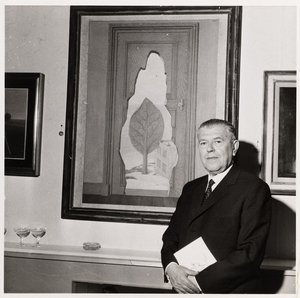
1898 - 1967 , Belgia

Explore the profound depths of Surrealism. From Dalí’s dreamscapes to Magritte’s enigmas, master the history of the subconscious mind through our expert art guide and discover museum-quality oil reproductions of the world's most iconic surrealist masterpieces.

Explore the profound mystery of René Magritte’s 'The Treachery of Images.' Dive into an expert analysis of his Surrealist philosophy, the paradox of representation, and how he challenged reality through the interplay of language and visual perception.

Elevate your design projects with Most-Famous-Paintings's premium canvas prints and hand-painted reproductions. Discover affordable, museum-quality wall decor delivered worldwide, offering freelance decorators professional excellence, archival durability, and bespoke customization for every space.


Bądź na bieżąco z najnowszymi wiadomościami ze świata sztuki, ekskluzywnymi ofertami i inspiracjami dekoratorskimi.
Opowiedz nam o swoim projekcie, a nasi eksperci przygotują dla Ciebie 3 spersonalizowane propozycje dzieł sztuki.
Przygotujemy dla Ciebie 3 propozycje zupełnie za darmo!


 Podgląd w skali
 Wyślij jako kartkę
 Udostępnij
 Szczegóły dzieła

 Pobierz
 Podobne obiekty
 RTG
RTG Pokaz slajdów

 Rozwiń treść







 Opcja ze szkłem jest dostępna wyłącznie w rozmiarach poniżej 110 cm