x

Druk giclée lub płótno o jakości muzealnej, szybka realizacja i szeroki wybór opcji wykończenia. ( Zamów ręcznie malowaną reprodukcję Kup obraz wysokiej rozdzielczości)





























Wybierz spośród naszych standardowych rozmiarów, które zachowują oryginalne proporcje dzieła sztuki.

Możesz wprowadzić własne wymiary, aby dopasować dzieło do konkretnej ramy lub przestrzeni. Jeśli wybrany rozmiar nie będzie odpowiadał proporcjom oryginalnego obrazu, przytniecie dzieło lub rozszerzymy obraz za pomocą odbicia lustrzanego lub jednolitego wypełnienia krawędzi. Przed rozpoczęciem produkcji prześlemy cyfrową wizualizację do Twojej akceptacji.
Prosimy pamiętać, że podgląd na ekranie nie odzwierciedla faktycznego przycinania ani rozszerzania. Tylko wizualizacja dokładnie pokaże końcową kompozycję.
Mimo dostępności niestandardowych rozmiarów, zalecamy wybór wymiaru z listy zdefiniowanej, aby zachować oryginalne proporcje.
Dostawa na cały świat () w ciągu 2 tygodni zamiast standardowych 4/5 tygodni. (15 Sierpień)


The Postcard
Wymiary reprodukcji
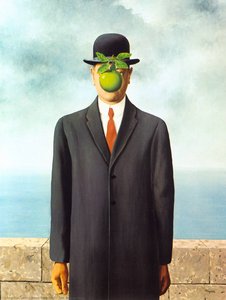
René Magritte’s “The Postcard,” painted in 1960, stands as a cornerstone of Surrealist art and continues to fascinate viewers with its deceptively simple composition. More than just a depiction of a man gazing at an apple floating above the ocean—a scene reminiscent of Pieter Bruegel III's "Landscape with the Fall of Icarus"—the painting operates on multiple levels, inviting contemplation about perception, reality, and the hidden narratives lurking beneath the surface.
Historical Context: Created during Magritte’s prolific period—following the success of works like “The Lovers” and “Golconda”—“The Postcard” aligns with the broader Surrealist movement's preoccupation with challenging rational thought and exploring subconscious desires. Influenced by Sigmund Freud’s psychoanalytic theories, Surrealists sought to liberate art from the constraints of logic, aiming instead for a visceral connection with the irrational.
Symbolism: The floating apple is arguably the painting’s most potent symbol. It defies gravity and disrupts our expectations of visual reality—a deliberate tactic employed by Magritte to destabilize viewers' assumptions about what they see. Scholars interpret the apple as representing temptation, knowledge, and perhaps even a reference to biblical narratives concerning Adam and Eve. Its placement above the man suggests an unreachable ideal or a hidden truth that remains elusive.
Emotional Impact: “The Postcard” evokes a profound sense of solitude and introspection. The figure’s gaze directs our attention outwards, mirroring our own yearning for connection with something beyond ourselves—a feeling amplified by the stillness of the ocean and the enigmatic presence of the floating apple. Magritte's masterful use of color and composition contributes to this emotional resonance, creating an artwork that lingers in the mind long after viewing.

Magritte's enduring legacy lies in his ability to make us see the familiar anew, to question our assumptions about reality, and to appreciate the power of art to provoke thought and inspire wonder. He wasn’t simply painting images; he was crafting visual paradoxes that continue to resonate with viewers decades after their creation, solidifying his position as a true master of Surrealism and a pivotal figure in 20th-century art.
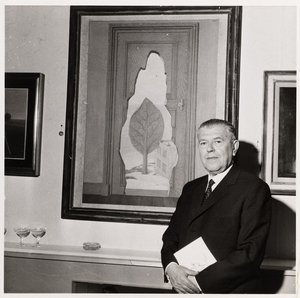
1898 - 1967 , Belgia

Explore the profound mystery of René Magritte’s 'The Treachery of Images.' Dive into an expert analysis of his Surrealist philosophy, the paradox of representation, and how he challenged reality through the interplay of language and visual perception.

Explore the profound depths of Surrealism. From Dalí’s dreamscapes to Magritte’s enigmas, master the history of the subconscious mind through our expert art guide and discover museum-quality oil reproductions of the world's most iconic surrealist masterpieces.

Explore the profound depths of Surrealism with our expert guide. From Dalí's dreamscapes to Breton's manifesto, uncover the history, symbolism, and technical mastery of this revolutionary movement. Perfect for students and collectors seeking deep art-historical insight.

Explore the profound history of Surrealist Expressionism. Discover how artists blended dream logic with raw emotion to navigate post-war trauma through masterful, evocative imagery and psychological depth.

Explore the profound depths of Surrealism through a scholarly lens. Discover the symbolism, history, and technical brilliance behind masterpieces by Salvador Dalí and other icons. Gain expert insights into the dreamlike subconscious and the enduring legacy of Surrealist art.


Bądź na bieżąco z najnowszymi wiadomościami ze świata sztuki, ekskluzywnymi ofertami i inspiracjami dekoratorskimi.
Opowiedz nam o swoim projekcie, a nasi eksperci przygotują dla Ciebie 3 spersonalizowane propozycje dzieł sztuki.
Przygotujemy dla Ciebie 3 propozycje zupełnie za darmo!


 Podgląd w skali
 Wyślij jako kartkę
 Udostępnij
 Szczegóły dzieła

 Pobierz
 Podobne obiekty
 RTG
RTG Pokaz slajdów

 Rozwiń treść







 Opcja ze szkłem jest dostępna wyłącznie w rozmiarach poniżej 110 cm