x

 Acrylic On CanvasWallArtSurrealist Painting
 1954Modern
 90.0 x 65.0 cm
Druk giclée lub płótno o jakości muzealnej, szybka realizacja i szeroki wybór opcji wykończenia. ( Zamów ręcznie malowaną reprodukcję Kup obraz wysokiej rozdzielczości)





























Wybierz spośród naszych standardowych rozmiarów, które zachowują oryginalne proporcje dzieła sztuki.

Możesz wprowadzić własne wymiary, aby dopasować dzieło do konkretnej ramy lub przestrzeni. Jeśli wybrany rozmiar nie będzie odpowiadał proporcjom oryginalnego obrazu, przytniecie dzieło lub rozszerzymy obraz za pomocą odbicia lustrzanego lub jednolitego wypełnienia krawędzi. Przed rozpoczęciem produkcji prześlemy cyfrową wizualizację do Twojej akceptacji.
Prosimy pamiętać, że podgląd na ekranie nie odzwierciedla faktycznego przycinania ani rozszerzania. Tylko wizualizacja dokładnie pokaże końcową kompozycję.
Mimo dostępności niestandardowych rozmiarów, zalecamy wybór wymiaru z listy zdefiniowanej, aby zachować oryginalne proporcje.
Dostawa na cały świat () w ciągu 2 tygodni zamiast standardowych 4/5 tygodni. (15 Sierpień)


The schoolmaster
Wymiary reprodukcji
This meticulously hand-painted reproduction captures René Magritte's iconic 1954 work, "The Schoolmaster," a painting that embodies the artist’s signature blend of surrealism and meticulous realism. Measuring 90 x 65 cm, this piece invites viewers into a world where familiar elements – a man in a top hat, a moonlit sky, and distant figures – are presented with an unsettling ambiguity, prompting contemplation on perception, identity, and the hidden depths of human experience. The painting’s power lies not just in its visual impact but also in the profound questions it raises about representation itself.
At the heart of “The Schoolmaster” stands a solitary figure – a man dressed in a formal top hat, his gaze directed upwards towards the vast expanse of the night sky. This seemingly simple composition is deliberately constructed to evoke a sense of isolation and contemplation. The placement of the moon, centrally positioned and dominating the scene, immediately establishes a symbolic weight, often associated with knowledge, illumination, and perhaps even judgment. The two figures in the background, rendered with Magritte’s characteristic detachment, add another layer of mystery. Their distance suggests an unacknowledged presence, further emphasizing the central figure's solitude and his engagement with something beyond immediate comprehension. The artist masterfully uses perspective to draw the viewer into this tableau, creating a feeling of being both observer and participant in the scene.
Magritte was renowned for his precise technique, often employing meticulous brushwork and a highly detailed rendering of objects. This is particularly evident in “The Schoolmaster,” where every element—the texture of the hat, the subtle gradations of light on the moon, even the individual branches of the distant trees—is rendered with painstaking accuracy. Yet, this technical skill serves not to create a realistic depiction but rather to heighten the surreal effect. The juxtaposition of the mundane (a top hat) with the extraordinary (a giant moon) creates a tension that is central to Magritte’s artistic vision. The painting's palette – dominated by cool blues and grays – contributes significantly to its melancholic and contemplative atmosphere, reflecting the artist's interest in exploring the subconscious.
"The Schoolmaster" resonates with themes prevalent throughout Magritte’s oeuvre: the questioning of reality, the exploration of the unconscious mind, and the anxieties surrounding identity. The figure in the top hat has been interpreted as a representation of authority – perhaps a teacher or a scholar – but his upward gaze suggests a rejection of conventional wisdom. The painting was created during a period of significant artistic experimentation, with Surrealism challenging traditional notions of art and reality. Magritte’s work aligns with this movement's desire to tap into the irrational and explore the hidden dimensions of human experience. The image also subtly echoes Magritte’s personal history, particularly his mother’s death, hinting at themes of loss, memory, and the elusive nature of truth.
This hand-painted reproduction of “The Schoolmaster” offers a unique opportunity to own a piece of art that continues to fascinate and challenge viewers. Its evocative imagery and thought-provoking symbolism make it an ideal addition to any collection, while its meticulous execution ensures lasting beauty. Whether displayed in a private residence or a corporate setting, this artwork will undoubtedly spark conversation and inspire contemplation about the nature of perception, knowledge, and the mysteries that lie beneath the surface of our everyday lives.

Magritte's enduring legacy lies in his ability to make us see the familiar anew, to question our assumptions about reality, and to appreciate the power of art to provoke thought and inspire wonder. He wasn’t simply painting images; he was crafting visual paradoxes that continue to resonate with viewers decades after their creation, solidifying his position as a true master of Surrealism and a pivotal figure in 20th-century art.
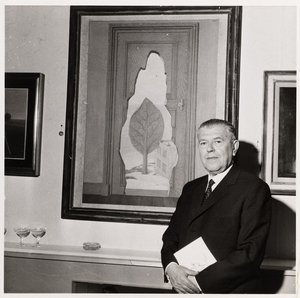
1898 - 1967 , Belgia

Explore the profound mystery of René Magritte’s 'The Treachery of Images.' Dive into an expert analysis of his Surrealist philosophy, the paradox of representation, and how he challenged reality through the interplay of language and visual perception.

Elevate your design projects with Most-Famous-Paintings's premium canvas prints and hand-painted reproductions. Discover affordable, museum-quality wall decor delivered worldwide, offering freelance decorators professional excellence, archival durability, and bespoke customization for every space.


Bądź na bieżąco z najnowszymi wiadomościami ze świata sztuki, ekskluzywnymi ofertami i inspiracjami dekoratorskimi.
Opowiedz nam o swoim projekcie, a nasi eksperci przygotują dla Ciebie 3 spersonalizowane propozycje dzieł sztuki.
Przygotujemy dla Ciebie 3 propozycje zupełnie za darmo!


 Podgląd w skali
 Wyślij jako kartkę
 Udostępnij
 Szczegóły dzieła

 Pobierz
 Podobne obiekty
 RTG
RTG Pokaz slajdów
 Rozwiń treść







 Opcja ze szkłem jest dostępna wyłącznie w rozmiarach poniżej 110 cm