


x

 Acrylic On CanvasWallArtSurrealist Movement
 1926Early Modern
 75.0 x 65.0 cm
Ręcznie malowany obraz olejny na płótnie, wykonany na zamówienie przez naszych artystów w wybranym przez Ciebie wymiarze i oprawie. ( Zamów wydruk Kup obraz wysokiej rozdzielczości)





























Wybierz spośród naszych standardowych rozmiarów, które zachowują oryginalne proporcje dzieła sztuki.

Możesz wprowadzić własne wymiary, aby dopasować obraz do konkretnej ramy lub przestrzeni. Jeśli wybrany rozmiar nie będzie odpowiadał proporcjom oryginału, przytniecie dzieło sztuki lub rozszerzymy je o dodatkowe elementy, ręcznie domalowane przez artystę. Przed rozpoczęciem produkcji wyślemy projekt cyfrowy do Twojej akceptacji.
Należy pamiętać, że podgląd na ekranie nie odzwierciedla rzeczywistego przycinania ani rozszerzania obrazu. Tylko projekt dokładnie pokaże ostateczną kompozycję.
Choć oferujemy możliwość zamówienia niestandardowych rozmiarów, zalecamy wybór wymiaru z gotowej listy, aby zachować oryginalne proporcje dzieła.
Dostawa na całym świecie () w ciągu 3–4 tygodni zamiast standardowych 5 tygodni. (22 Sierpień). Bez kompromisów w kwestii jakości.


The silver gap
Wymiary reprodukcji
René Magritte's "The Silver Gap," painted in 1926, is more than just a depiction of mirrors and circles; it’s a meticulously crafted exploration of perception, illusion, and the unsettling nature of reality itself. Executed during a pivotal moment in Surrealist art – a movement that sought to unlock the unconscious mind through dreamlike imagery – this piece exemplifies Magritte's signature style: deceptively simple compositions layered with profound philosophical questions. Measuring 75 x 65 cm, the artwork invites viewers into a space where familiar objects transform into enigmatic symbols, challenging our fundamental understanding of how we see and interpret the world.
The genesis of "The Silver Gap" is inextricably linked to Magritte’s personal history. The recurring motif of veiled figures and obscured faces – a direct consequence of his mother’s tragic death – permeates the artwork, subtly reminding us that our perceptions are shaped by memory, loss, and the inherent difficulty in grasping the totality of experience. The chair positioned near the left side could be interpreted as a symbol of contemplation or perhaps even mourning, adding another layer of emotional resonance to the scene. The red object at the bottom right corner is deliberately ambiguous, acting as a focal point that draws the eye while simultaneously refusing to offer any definitive meaning – mirroring the elusive nature of truth itself.
Created in 1926, “The Silver Gap” sits squarely within the burgeoning movement of Surrealism. Magritte, along with artists like Salvador Dalí, was pushing against the rationalism of the early 20th century, seeking to tap into the subconscious and explore the irrational. However, unlike Dalí’s overtly fantastical imagery, Magritte favored a more restrained approach, grounding his surreal visions in everyday objects and settings. This deliberate choice – presenting the bizarre within the familiar – heightened the painting's impact, forcing viewers to confront their own preconceptions about reality. His work anticipated later developments in conceptual art, emphasizing the viewer’s role as an active participant in constructing meaning.
"The Silver Gap" is a powerfully evocative artwork that continues to resonate with audiences today. Its unsettling composition and ambiguous symbolism invite contemplation on themes of identity, perception, and the nature of reality. This hand-painted reproduction captures not only the visual details of Magritte’s original masterpiece but also the emotional depth and intellectual complexity that define his work. It's a piece ideal for collectors seeking to own a significant work by one of the 20th century’s most influential artists, or for interior designers looking to introduce an element of mystery and intrigue into their spaces.

Magritte's enduring legacy lies in his ability to make us see the familiar anew, to question our assumptions about reality, and to appreciate the power of art to provoke thought and inspire wonder. He wasn’t simply painting images; he was crafting visual paradoxes that continue to resonate with viewers decades after their creation, solidifying his position as a true master of Surrealism and a pivotal figure in 20th-century art.
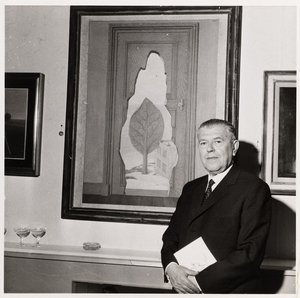
1898 - 1967 , Belgia

Explore the profound mystery of René Magritte’s 'The Treachery of Images.' Dive into an expert analysis of his Surrealist philosophy, the paradox of representation, and how he challenged reality through the interplay of language and visual perception.

Elevate your design projects with Most-Famous-Paintings's premium canvas prints and hand-painted reproductions. Discover affordable, museum-quality wall decor delivered worldwide, offering freelance decorators professional excellence, archival durability, and bespoke customization for every space.


Bądź na bieżąco z najnowszymi wiadomościami ze świata sztuki, ekskluzywnymi ofertami i inspiracjami dekoratorskimi.
Opowiedz nam o swoim projekcie, a nasi eksperci przygotują dla Ciebie 3 spersonalizowane propozycje dzieł sztuki.
Przygotujemy dla Ciebie 3 propozycje zupełnie za darmo!


 Podgląd w skali
 Wyślij jako kartkę
 Udostępnij
 Szczegóły dzieła

 Pobierz
 Podobne obiekty
 RTG
RTG Pokaz slajdów
 Rozwiń treść







 Opcja ze szkłem jest dostępna wyłącznie w rozmiarach poniżej 110 cm


