


x

Ręcznie malowany obraz olejny na płótnie, wykonany na zamówienie przez naszych artystów w wybranym przez Ciebie wymiarze i oprawie. ( Zamów wydruk Kup obraz wysokiej rozdzielczości)





























Wybierz spośród naszych standardowych rozmiarów, które zachowują oryginalne proporcje dzieła sztuki.

Możesz wprowadzić własne wymiary, aby dopasować obraz do konkretnej ramy lub przestrzeni. Jeśli wybrany rozmiar nie będzie odpowiadał proporcjom oryginału, przytniecie dzieło sztuki lub rozszerzymy je o dodatkowe elementy, ręcznie domalowane przez artystę. Przed rozpoczęciem produkcji wyślemy projekt cyfrowy do Twojej akceptacji.
Należy pamiętać, że podgląd na ekranie nie odzwierciedla rzeczywistego przycinania ani rozszerzania obrazu. Tylko projekt dokładnie pokaże ostateczną kompozycję.
Choć oferujemy możliwość zamówienia niestandardowych rozmiarów, zalecamy wybór wymiaru z gotowej listy, aby zachować oryginalne proporcje dzieła.
Dostawa na całym świecie () w ciągu 3–4 tygodni zamiast standardowych 5 tygodni. (21 Sierpień). Bez kompromisów w kwestii jakości.


The window
Wymiary reprodukcji
René Magritte’s “The Window,” completed in 1925, stands as one of the most recognizable images of Surrealism and continues to fascinate viewers with its deceptively simple composition. Painted during a period of intense experimentation within the movement—a reaction against rational thought and championed by André Breton—the artwork transcends mere visual representation, delving into fundamental questions about how we perceive reality.
Symbolism & Interpretation: The window itself serves as a powerful symbol—representing not just an aperture through which light enters but also a barrier separating the figure from the outside world. More subtly, Magritte utilizes geometric shapes—specifically triangles—to create visual tension and disrupt our expectations of spatial harmony. These triangles draw attention to the viewer’s gaze and invite contemplation on the elusive nature of perception.
Emotional Impact: “The Window” evokes a feeling of melancholic solitude and invites viewers to consider what lies beyond the visible surface. Magritte's masterful manipulation of color, form, and composition compels us to confront our own assumptions about reality—leaving behind a lingering impression of mystery and prompting reflection on the limitations of human understanding.
Magritte wasn’t interested in simply depicting what he saw; rather, he sought to challenge viewers’ perceptions of reality. He famously stated, “I want to depict things as they appear to me,” emphasizing the subjective experience at the core of artistic creation.
The triangles incorporated into the composition aren't merely decorative elements; they actively disrupt conventional spatial conventions. Magritte skillfully uses these shapes to create visual tension, mirroring the anxieties inherent in confronting the unknown—a central theme within Surrealist art.

Magritte's enduring legacy lies in his ability to make us see the familiar anew, to question our assumptions about reality, and to appreciate the power of art to provoke thought and inspire wonder. He wasn’t simply painting images; he was crafting visual paradoxes that continue to resonate with viewers decades after their creation, solidifying his position as a true master of Surrealism and a pivotal figure in 20th-century art.
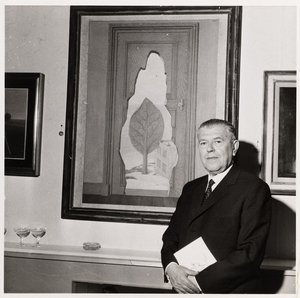
1898 - 1967 , Belgia

Explore the profound mystery of René Magritte’s 'The Treachery of Images.' Dive into an expert analysis of his Surrealist philosophy, the paradox of representation, and how he challenged reality through the interplay of language and visual perception.


Bądź na bieżąco z najnowszymi wiadomościami ze świata sztuki, ekskluzywnymi ofertami i inspiracjami dekoratorskimi.
Opowiedz nam o swoim projekcie, a nasi eksperci przygotują dla Ciebie 3 spersonalizowane propozycje dzieł sztuki.
Przygotujemy dla Ciebie 3 propozycje zupełnie za darmo!


 Podgląd w skali
 Wyślij jako kartkę
 Udostępnij
 Szczegóły dzieła

 Pobierz
 Podobne obiekty
 RTG
RTG Pokaz slajdów

 Rozwiń treść







 Opcja ze szkłem jest dostępna wyłącznie w rozmiarach poniżej 110 cm


