


x


 Preview
 Zamów reprodukcję Kup cyfrowy obraz
 Udostępnij
 Szczegóły dzieła
 Dodaj do ulubionych
 Pobierz
 Podobne obiekty
 RTG
RTG
 Pokaz slajdów
Druk giclée lub płótno o jakości muzealnej z szybką realizacją i szerokim wyborem opcji wykończenia.





























Wybierz spośród naszych predefiniowanych rozmiarów, które zachowują oryginalne proporcje dzieła sztuki.

Możesz wprowadzić własne wymiary, aby dopasować dzieło do konkretnej ramy lub przestrzeni. Jeśli wybrany rozmiar nie będzie odpowiadał proporcjom oryginalnego obrazu, przytniecie dzieło lub rozszerzymy obraz za pomocą odbicia lustrzanego lub jednolitego wypełnienia krawędzi. Przed rozpoczęciem produkcji prześlemy cyfrową wizualizację do Twojej akceptacji.
Prosimy pamiętać, że podgląd na ekranie nie odzwierciedla faktycznego przycinania ani rozszerzania. Tylko wizualizacja dokładnie pokaże końcową kompozycję.
Mimo dostępności niestandardowych rozmiarów, zalecamy wybór wymiaru z listy zdefiniowanej, aby zachować oryginalne proporcje.
Dostawa na cały świat () w ciągu 2 tygodni zamiast standardowych 4/5 tygodni. (23 Lipiec)


Window, Eiffel Tower
Wymiary reprodukcji
Robert Delaunay's “Window, Eiffel Tower” (1910) is more than just a depiction of Paris’ iconic landmark; it’s a vibrant embodiment of the Orphism movement – a radical artistic exploration of color and form that fundamentally shifted the course of 20th-century art. This captivating painting, rendered in bold strokes of red and black against a backdrop of stark white curtains, immediately draws the viewer into a world where architectural precision yields to an intensely emotional response to light and hue. Delaunay wasn’t interested in creating a photographic representation; instead, he sought to distill the essence of the Eiffel Tower – its power, its presence, and the way it interacts with the surrounding environment – through a carefully orchestrated visual language.
Created during a period of immense artistic upheaval, “Window, Eiffel Tower” emerged from Delaunay’s pioneering work within the burgeoning Orphism movement. Co-founded by his wife, Sonia Delaunay, and fellow artists like František Kupka, Orphism rejected traditional representational art in favor of abstract compositions dominated by intense, non-naturalistic colors. Influenced by theories of color developed by Michel Eugène Chevreul and later championed by the younger generation of artists, Delaunay believed that color itself possessed inherent expressive power – a belief reflected powerfully in this work. The geometric shapes employed aren’t merely decorative; they are fundamental building blocks used to dissect and reassemble visual experience, creating a dynamic interplay between form and color.
Delaunay's technique is characterized by loose, expressive brushstrokes applied with a confident hand. The red and black hues aren’t blended smoothly; instead, they are juxtaposed to create areas of sharp contrast and visual vibration. This deliberate lack of blending contributes significantly to the painting’s energetic feel. The white curtains serve not just as a backdrop but as active participants in the composition, reflecting and refracting light, further intensifying the color palette. The simplified geometric forms – squares, rectangles, and triangles – are strategically placed to guide the viewer's eye across the canvas, creating a sense of movement and dynamism. Notice how Delaunay uses overlapping planes to create an illusion of depth, pulling the viewer into the scene.
“Window, Eiffel Tower” transcends a simple cityscape depiction; it’s imbued with layers of symbolic meaning. The Eiffel Tower itself, a symbol of modernity and technological progress, is presented in a state of abstracted beauty, suggesting a harmonious relationship between the industrial age and artistic expression. The window frame acts as a framing device, inviting the viewer to step into the scene and experience the painting’s emotional resonance. The overall effect is one of optimism, energy, and a profound appreciation for the transformative power of color. It's a testament to Delaunay's ability to capture not just what he saw, but how he *felt* about it – a deeply subjective and intensely beautiful response to one of the world’s most iconic structures.

1885 - 1941 , Francja

Poznaj subtelne różnice między impresjonizmem a postimpresjonizmem. Ekspercka analiza dla wymagających kolekcjonerów sztuki. Inwestycje, historia i wartość dzieł.
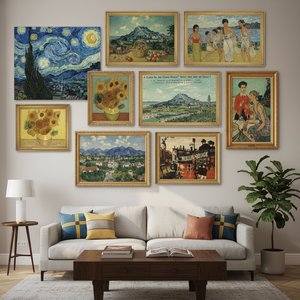
Odkryj 10 arcydzieł postimpresjonizmu Van Gogha, Moneta i Cézanne'a! Poznaj historie artystów, techniki malarskie i inspiracje do dekoracji wnętrz. Reprodukcje obrazów najwyższej jakości na Most-Famous-Paintings.com – sztuka dla Twojego domu.
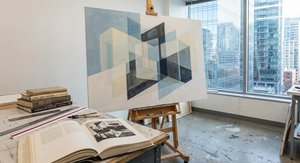
Poznaj fascynującą historię abstrakcji geometrycznej – od rosyjskiej awangardy po wpływ na współczesną sztukę i design. Ekskluzywne analizy, kluczowi artyści i perspektywy inwestycyjne dla kolekcjonerów.

Odkryj fascynujący świat orfizmu! Poznaj historię Roberta i Sonii Delaunay, teoretyczne podstawy tego ruchu oraz jego wpływ na sztukę XX wieku. Ekskluzywny artykuł dla miłośników sztuki nowoczesnej.

Odkryj fascynującą historię abstrakcji geometrycznej w sztuce XX i XXI wieku! Analiza kluczowych nurtów, artystów i technik. Ekspercka wiedza dla kolekcjonerów na Most-Famous-Paintings.com.


Bądź na bieżąco z najnowszymi wiadomościami ze świata sztuki, ekskluzywnymi ofertami i inspiracjami dekoratorskimi.
Opowiedz nam o swoim projekcie, a nasi eksperci od sztuki przygotują dla Ciebie 3 spersonalizowane propozycje dzieł sztuki.
Pozwól nam przygotować 3 propozycje specjalnie dla Ciebie – za darmo!


 Udostępnij


 Rozwiń treść







 Opcja szkła jest dostępna wyłącznie w rozmiarach poniżej 110 cm


