x

 Oil On PanelEarly Netherlandish Renaissance
 1435Renaissance
 220.0 x 262.0 cm
 Muzeum Prado
Druk giclée lub płótno o jakości muzealnej, szybka realizacja i szeroki wybór opcji wykończenia. ( Zamów ręcznie malowaną reprodukcję Kup obraz wysokiej rozdzielczości)





























Wybierz spośród naszych standardowych rozmiarów, które zachowują oryginalne proporcje dzieła sztuki.

Możesz wprowadzić własne wymiary, aby dopasować dzieło do konkretnej ramy lub przestrzeni. Jeśli wybrany rozmiar nie będzie odpowiadał proporcjom oryginalnego obrazu, przytniecie dzieło lub rozszerzymy obraz za pomocą odbicia lustrzanego lub jednolitego wypełnienia krawędzi. Przed rozpoczęciem produkcji prześlemy cyfrową wizualizację do Twojej akceptacji.
Prosimy pamiętać, że podgląd na ekranie nie odzwierciedla faktycznego przycinania ani rozszerzania. Tylko wizualizacja dokładnie pokaże końcową kompozycję.
Mimo dostępności niestandardowych rozmiarów, zalecamy wybór wymiaru z listy zdefiniowanej, aby zachować oryginalne proporcje.
Dostawa na cały świat () w ciągu 2 tygodni zamiast standardowych 4/5 tygodni. (19 Sierpień)


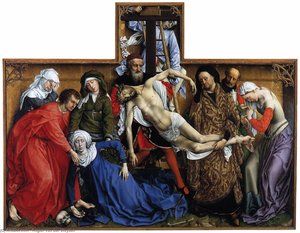
Deposition
Wymiary reprodukcji
In the quiet, hallowed halls of art history, few works command the soul with such immediate, visceral intensity as Rogier van der Weyden’s Deposition. Completed around 1435, this monumental panel painting is not merely a depiction of a biblical event; it is a profound psychological landscape that captures the very essence of human sorrow. The scene unfolds with a breathtaking sense of drama, portraying the moment Christ is lowered from the cross, his lifeless body supported by those who loved him most. As the viewer gazes upon this sacred tableau, they are not just observers of a historical narrative, but witnesses to an intimate, agonizing farewell. The composition is a masterclass in emotional architecture, where every slumped shoulder and tear-streaked face contributes to a collective experience of mourning that transcends the centuries.
The technical brilliance of Van der Weyden lies in his ability to marry the meticulous precision of the Early Netherlandish tradition with an unprecedented emotional depth. Utilizing a refined approach to sfumato, the artist subtly blends colors to create soft, atmospheric transitions that lend a lifelike quality to the figures. His background as a trained goldsmith is evident in the exquisite rendering of textures; one can almost feel the heavy weight of the velvet drapery, the coldness of the skin, and the intricate details of the garments. This hyper-realistic approach serves a higher purpose: by making the physical world so tangible, he makes the spiritual suffering of the figures undeniably real. The vibrant primary colors—deep reds, celestial blues, and stark whites—are not merely decorative but serve to guide the eye through the complex choreography of grief.
Every element within this composition is laden with symbolic significance, designed to invite deep contemplation. The arrangement of the figures creates a striking visual rhythm, often noted for its T-shaped configuration which subtly echoes the shape of a crossbow—a nod to the Leuven Guild of Archers who commissioned this magnificent altarpiece. Mary, the Mother of Christ, serves as the emotional anchor of the work; her posture of profound humility and maternal compassion mirrors the limp, broken form of her son. This mirroring of physical states suggests a spiritual unity in their suffering. Even the light within the painting plays a narrative role, illuminating the faces of the mourners to highlight their individual reactions—from the stoic strength of Nicodemus to the frantic devotion of Mary Magdalene.
For the discerning collector or interior designer, a high-quality reproduction of this masterpiece offers more than just aesthetic beauty; it brings a sense of historical gravity and intellectual depth to a space. The Deposition is a testament to the power of art to capture the most complex human emotions. Whether placed in a curated gallery setting or as a focal point in a sophisticated study, this work inspires a mood of reverence and quiet reflection. It stands as an enduring icon of the Burgundian Renaissance, reminding us that true beauty often resides in the most vulnerable and profound moments of the human condition.

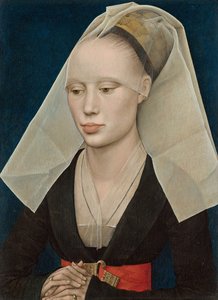
1400 - 1464 , Belgia

Odkryj 10 arcydzieł wczesnego renesansu niderlandzkiego! Poznaj historie van Eycka, Rogiera van der Weydena i innych mistrzów. Reprodukcje obrazów najwyższej jakości dla Twojego wnętrza – Most-Famous-Paintings.com
Odkryj 25 najsłynniejszych obrazów Vincenta van Gogha! Poznaj historie, techniki i emocje kryjące się za 'Gwieździstą noc', 'Słonecznikami' i innymi arcydziełami. Reprodukcje najwyższej jakości na Most-Famous-Paintings.com – inspiracje dla Twojego wnętrza.

Explore the revolutionary art of Rogier van der Weyden, a pivotal figure of the Early Netherlandish Renaissance. Discover his emotional realism, innovative compositions, and lasting impact on painting history.

Odkryj 10 arcydzieł wczesnoniderlandzkiego malarstwa! Poznaj historie van Eycka, Weydena i Memlinga. Reprodukcje obrazów najwyższej jakości dla Twojego wnętrza. Inspiracje i dekoracje ścienne na Most-Famous-Paintings.com

Explore the revolutionary art of Hugo van der Goes – a master of Early Netherlandish painting renowned for his dramatic realism, psychological depth & profound influence on Renaissance artists. Discover his iconic works and lasting legacy.


Bądź na bieżąco z najnowszymi wiadomościami ze świata sztuki, ekskluzywnymi ofertami i inspiracjami dekoratorskimi.
Opowiedz nam o swoim projekcie, a nasi eksperci przygotują dla Ciebie 3 spersonalizowane propozycje dzieł sztuki.
Przygotujemy dla Ciebie 3 propozycje zupełnie za darmo!


 Podgląd w skali
 Wyślij jako kartkę
 Udostępnij
 Szczegóły dzieła

 Pobierz
 Podobne obiekty
 RTG
RTG Pokaz slajdów
 Rozwiń treść







 Opcja ze szkłem jest dostępna wyłącznie w rozmiarach poniżej 110 cm