


x

Ręcznie malowany obraz olejny na płótnie, wykonany na zamówienie przez naszych artystów w wybranym przez Ciebie wymiarze i oprawie. ( Zamów wydruk Kup obraz wysokiej rozdzielczości)





























Wybierz spośród naszych standardowych rozmiarów, które zachowują oryginalne proporcje dzieła sztuki.

Możesz wprowadzić własne wymiary, aby dopasować obraz do konkretnej ramy lub przestrzeni. Jeśli wybrany rozmiar nie będzie odpowiadał proporcjom oryginału, przytniecie dzieło sztuki lub rozszerzymy je o dodatkowe elementy, ręcznie domalowane przez artystę. Przed rozpoczęciem produkcji wyślemy projekt cyfrowy do Twojej akceptacji.
Należy pamiętać, że podgląd na ekranie nie odzwierciedla rzeczywistego przycinania ani rozszerzania obrazu. Tylko projekt dokładnie pokaże ostateczną kompozycję.
Choć oferujemy możliwość zamówienia niestandardowych rozmiarów, zalecamy wybór wymiaru z gotowej listy, aby zachować oryginalne proporcje dzieła.
Dostawa na całym świecie () w ciągu 3–4 tygodni zamiast standardowych 5 tygodni. (22 Sierpień). Bez kompromisów w kwestii jakości.


Pierre Bladelin Triptych
Wymiary reprodukcji
The *Pierre Bladelin Triptych*, created around 1450 by Rogier van der Weyden, stands as a testament to the profound artistic achievements of the Early Netherlandish Renaissance. More than just a depiction of biblical scenes—the Annunciation, Nativity and Visitation—it’s an immersive experience crafted with meticulous detail and imbued with an emotional resonance that continues to captivate viewers centuries later.
Artist & Context: Rogier van der Weyden (c. 1400-1464), a sculptor initially trained in Tournai, Belgium, ascended to prominence as one of the foremost painters of his era. His workshop flourished during a period marked by burgeoning humanist thought and artistic innovation—a time when artists sought to capture not merely appearances but also inner psychological states.
The triptych’s tripartite structure is deliberately designed to guide the viewer's gaze through a narrative progression. Each panel presents distinct scenes—the Annunciation, depicting Mary receiving the divine messenger Gabriel; the Nativity, portraying Jesus’ birth in Bethlehem; and the Visitation, illustrating Mary and Elizabeth meeting. These figures are rendered with astonishing accuracy, capturing their expressions of awe, compassion, and humility.
Symbolism: The inclusion of a dog beneath Mary and Joseph symbolizes fidelity and loyalty—a cornerstone of Christian virtue. The illuminated building in the second panel represents Jerusalem, symbolizing divine grace and spiritual aspiration. Light plays a crucial role throughout the triptych, emanating from Christ’s radiant halo and illuminating the faces of the figures, signifying God's presence and enlightenment.
What distinguishes this artwork is its ability to evoke profound emotion—a hallmark of van der Weyden’s artistic vision. The artist skillfully captures the psychological complexity of his subjects, conveying their inner turmoil and spiritual devotion with breathtaking subtlety. This emotive realism anticipates developments in Renaissance art that would prioritize human experience.
The *Pierre Bladelin Triptych* remains an enduring masterpiece—a symbol of Flemish artistic excellence and a powerful reminder of the transformative power of faith and beauty. Its meticulous detail, luminous colors, and expressive figures continue to inspire artists and collectors alike, securing its place as one of the most celebrated works of the Early Netherlandish Renaissance.

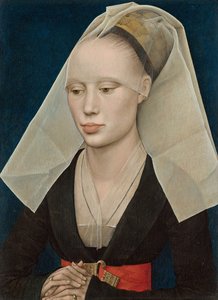
1400 - 1464 , Belgia

Odkryj 10 arcydzieł wczesnego renesansu niderlandzkiego! Poznaj historie van Eycka, Rogiera van der Weydena i innych mistrzów. Reprodukcje obrazów najwyższej jakości dla Twojego wnętrza – Most-Famous-Paintings.com

Explore the revolutionary art of Rogier van der Weyden, a pivotal figure of the Early Netherlandish Renaissance. Discover his emotional realism, innovative compositions, and lasting impact on painting history.

Odkryj 10 arcydzieł wczesnoniderlandzkiego malarstwa! Poznaj historie van Eycka, Weydena i Memlinga. Reprodukcje obrazów najwyższej jakości dla Twojego wnętrza. Inspiracje i dekoracje ścienne na Most-Famous-Paintings.com

Explore the revolutionary art of Hugo van der Goes – a master of Early Netherlandish painting renowned for his dramatic realism, psychological depth & profound influence on Renaissance artists. Discover his iconic works and lasting legacy.

Poznaj fascynujący świat Północnego Renesansu! Odkryj realizm flamandzkich mistrzów, wpływ reformacji na sztukę i arcydzieła van Eycka, Weydena i Boscha. Ekspercka analiza historii i innowacji artystycznych.


Bądź na bieżąco z najnowszymi wiadomościami ze świata sztuki, ekskluzywnymi ofertami i inspiracjami dekoratorskimi.
Opowiedz nam o swoim projekcie, a nasi eksperci przygotują dla Ciebie 3 spersonalizowane propozycje dzieł sztuki.
Przygotujemy dla Ciebie 3 propozycje zupełnie za darmo!


 Podgląd w skali
 Wyślij jako kartkę
 Udostępnij
 Szczegóły dzieła

 Pobierz
 Podobne obiekty
 RTG
RTG Pokaz slajdów

 Rozwiń treść







 Opcja ze szkłem jest dostępna wyłącznie w rozmiarach poniżej 110 cm


