x

 Oil On PanelEarly Netherlandish Painting
 1445
1445 21.0 x 18.0 cm
 Fundacja Calouste Gulbenkiana w Lizbonie
Ręcznie malowany obraz olejny na płótnie, wykonany na zamówienie przez naszych artystów w wybranym przez Ciebie wymiarze i oprawie. ( Zamów wydruk Przełącz na obraz)





























Wybierz spośród naszych standardowych rozmiarów, które zachowują oryginalne proporcje dzieła sztuki.

Możesz wprowadzić własne wymiary, aby dopasować obraz do konkretnej ramy lub przestrzeni. Jeśli wybrany rozmiar nie będzie odpowiadał proporcjom oryginału, przytniecie dzieło sztuki lub rozszerzymy je o dodatkowe elementy, ręcznie domalowane przez artystę. Przed rozpoczęciem produkcji wyślemy projekt cyfrowy do Twojej akceptacji.
Należy pamiętać, że podgląd na ekranie nie odzwierciedla rzeczywistego przycinania ani rozszerzania obrazu. Tylko projekt dokładnie pokaże ostateczną kompozycję.
Choć oferujemy możliwość zamówienia niestandardowych rozmiarów, zalecamy wybór wymiaru z gotowej listy, aby zachować oryginalne proporcje dzieła.
Dostawa na całym świecie () w ciągu 3–4 tygodni zamiast standardowych 5 tygodni. (9 Sierpień). Bez kompromisów w kwestii jakości.


St Catherine
Wymiary reprodukcji
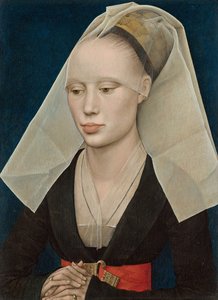
Rogier van der Weyden's "St Catherine," painted in 1445, is more than simply a depiction of a woman; it’s a profound meditation on faith, nobility, and the enduring power of human emotion. Measuring a modest 21 x 18 centimeters, this oil-on-panel masterpiece housed within the Museu Calouste Gulbenkian in Lisbon, Portugal, belies its small scale with an astonishing depth of psychological complexity and technical mastery. Van der Weyden, born around 1400 in Tournai, Belgium, a city renowned for its goldsmithing tradition – a background that profoundly shaped his artistic approach – crafted a work that immediately establishes him as a leading figure within the burgeoning world of Early Netherlandish painting. The image presents a woman, identified as St. Catherine, radiating an aura of serene authority and quiet contemplation. Her gaze, direct and unwavering, draws the viewer into her inner world, inviting us to share in her solemnity.
Van der Weyden’s style during this period is characterized by a remarkable ability to fuse meticulous realism with an intensely expressive emotional core. “St Catherine” exemplifies this perfectly. The rendering of the woman's face, particularly her eyes, is breathtakingly lifelike – capturing not just physical features but also subtle nuances of thought and feeling. Note the delicate modeling of the skin, achieved through layers of translucent glazes, a technique perfected by Van der Weyden and his followers. The rich crimson of her gown, the intricate folds of her veil, and the gleaming gold of her crown are all rendered with an almost obsessive attention to detail, reflecting the goldsmith’s influence on his artistic training. This isn't merely a portrait; it’s a carefully constructed illusion, designed to evoke a sense of reverence and admiration.
The identification of the subject as St. Catherine adds layers of symbolic meaning to the painting. St. Catherine was revered for her unwavering faith and her martyrdom, often depicted as a woman who endured great suffering for her devotion. The crown she wears signifies her elevated status – not just within the Christian hierarchy but also as a symbol of spiritual authority. Her posture, upright and dignified, reinforces this sense of nobility and strength. The setting is deliberately ambiguous, lacking specific topographical details, which was common in Northern Renaissance portraiture. This deliberate vagueness allows the viewer to project their own interpretations onto the image, fostering a personal connection with the subject. The overall effect is one of timelessness – St. Catherine transcends her historical context and becomes an archetype of faith and resilience.
Van der Weyden’s mastery of oil paint allowed him to achieve unprecedented levels of luminosity and depth in his work. He employed a layering technique known as *sfumato*, subtly blurring the edges of forms and creating a soft, atmospheric effect. This is particularly evident in the rendering of her hair – it appears almost luminous, catching the light with an ethereal quality. “St Catherine” represents a pivotal moment in Van der Weyden’s career, solidifying his reputation as one of the most accomplished painters of his generation. His influence can be seen in the work of subsequent artists, including Jan van Eyck and Hans Memling. Today, reproductions of this captivating portrait offer an accessible way to experience the profound beauty and emotional resonance of Van der Weyden’s genius – a testament to the enduring power of art to capture the human spirit.
Most-Famous-Paintings offers meticulously crafted hand-painted reproductions of Rogier van der Weyden's "St Catherine," allowing you to bring this iconic masterpiece into your home or office. Our skilled artisans replicate Van der Weyden’s intricate details and luminous colors with the utmost care, ensuring that your reproduction captures the essence of the original painting. Whether you are an art collector, a design enthusiast, or simply someone who appreciates exceptional beauty, a Most-Famous-Paintings reproduction of “St Catherine” is a stunning addition to any space – a window into the heart of Renaissance artistry and a celebration of enduring faith and human dignity.

1400 - 1464 , Belgia

Odkryj 10 arcydzieł wczesnego renesansu niderlandzkiego! Poznaj historie van Eycka, Rogiera van der Weydena i innych mistrzów. Reprodukcje obrazów najwyższej jakości dla Twojego wnętrza – Most-Famous-Paintings.com
Odkryj 25 najsłynniejszych obrazów Vincenta van Gogha! Poznaj historie, techniki i emocje kryjące się za 'Gwieździstą noc', 'Słonecznikami' i innymi arcydziełami. Reprodukcje najwyższej jakości na Most-Famous-Paintings.com – inspiracje dla Twojego wnętrza.

Explore the revolutionary art of Rogier van der Weyden, a pivotal figure of the Early Netherlandish Renaissance. Discover his emotional realism, innovative compositions, and lasting impact on painting history.

Odkryj 10 arcydzieł wczesnoniderlandzkiego malarstwa! Poznaj historie van Eycka, Weydena i Memlinga. Reprodukcje obrazów najwyższej jakości dla Twojego wnętrza. Inspiracje i dekoracje ścienne na Most-Famous-Paintings.com

Explore the revolutionary art of Hugo van der Goes – a master of Early Netherlandish painting renowned for his dramatic realism, psychological depth & profound influence on Renaissance artists. Discover his iconic works and lasting legacy.


Bądź na bieżąco z najnowszymi wiadomościami ze świata sztuki, ekskluzywnymi ofertami i inspiracjami dekoratorskimi.
Opowiedz nam o swoim projekcie, a nasi eksperci przygotują dla Ciebie 3 spersonalizowane propozycje dzieł sztuki.
Przygotujemy dla Ciebie 3 propozycje zupełnie za darmo!


 Podgląd w skali
 Wyślij jako kartkę
 Udostępnij
 Szczegóły dzieła

 Pobierz
 Podobne obiekty
 RTG
RTG Pokaz slajdów
 Rozwiń treść







 Opcja ze szkłem jest dostępna wyłącznie w rozmiarach poniżej 110 cm