x

 Zamów reprodukcję Kup cyfrowy obraz
 Udostępnij
 Szczegóły dzieła
 Dodaj do ulubionych
 Pobierz
 Podobne obiekty
 RTG
RTG
 Pokaz slajdów
Druk giclée lub płótno o jakości muzealnej z szybką realizacją i szerokim wyborem opcji wykończenia.





























Wybierz spośród naszych predefiniowanych rozmiarów, które zachowują oryginalne proporcje dzieła sztuki.

Możesz wprowadzić własne wymiary, aby dopasować dzieło do konkretnej ramy lub przestrzeni. Jeśli wybrany rozmiar nie będzie odpowiadał proporcjom oryginalnego obrazu, przytniecie dzieło lub rozszerzymy obraz za pomocą odbicia lustrzanego lub jednolitego wypełnienia krawędzi. Przed rozpoczęciem produkcji prześlemy cyfrową wizualizację do Twojej akceptacji.
Prosimy pamiętać, że podgląd na ekranie nie odzwierciedla faktycznego przycinania ani rozszerzania. Tylko wizualizacja dokładnie pokaże końcową kompozycję.
Mimo dostępności niestandardowych rozmiarów, zalecamy wybór wymiaru z listy zdefiniowanej, aby zachować oryginalne proporcje.
Dostawa na cały świat () w ciągu 2 tygodni zamiast standardowych 4/5 tygodni. (21 Lipiec)


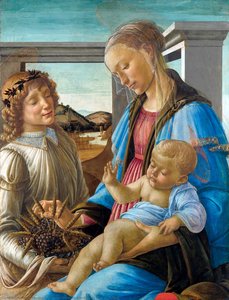
Angel
Wymiary reprodukcji
Sandro Botticelli's “Angel,” painted circa 1475–85, stands as a cornerstone of Florentine Renaissance art—a testament to the era’s fascination with classical ideals and its profound spiritual contemplation. More than just a depiction of an angelic figure, this artwork embodies the humanist spirit that characterized the period, reflecting Botticelli's masterful command of color, line, and composition.
Subject Matter & Composition: The painting portrays an angel—specifically, a woman—positioned on the left side of the canvas. Her gaze directs upwards, suggesting contemplation and aspiration. Alongside her stands a man, though his role appears secondary to the angelic presence. Botticelli skillfully employs pyramidal composition, grounding the figure in stability while simultaneously elevating it towards the heavens.
Style & Technique: Botticelli’s style is instantly recognizable for its delicate lines, soft pastel hues, and graceful curves—a deliberate departure from the harsher realism favored by earlier artists. He utilizes tempera paint on panel, a technique known for its luminosity and ability to achieve subtle tonal variations. The meticulous attention to detail evident in the angel's drapery and hair demonstrates Botticelli’s dedication to capturing idealized beauty.
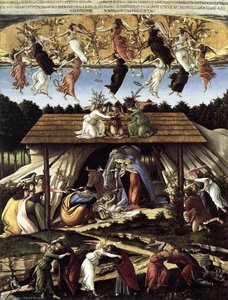
Historical Context: Created during Lorenzo de Medici’s reign—the “Magnificent Florentine”—“Angel” reflects the burgeoning humanist movement that championed reason, observation, and artistic excellence. The rediscovery of classical sculpture and literature fueled a desire for harmony and proportion, influencing artists like Botticelli to strive for perfection in their representations of human form and divine grace. As evidenced by research links provided, similar works such as “Virgin and Child with an Angel” showcase the same stylistic trends.
Symbolism & Emotional Impact: The angel’s upward gaze symbolizes spiritual enlightenment and transcendence—a core belief within Renaissance Christianity. Botticelli's portrayal of femininity embodies ideals of purity and virtue, aligning with prevailing moral sensibilities of the time. Viewing “Angel” evokes a sense of serenity and wonder, inviting contemplation on themes of faith, beauty, and divine inspiration. The artwork’s enduring appeal lies in its ability to communicate profound emotions through understated elegance.
Further Exploration: For those interested in delving deeper into Botticelli's artistic legacy, examining works like “Santa Maria degli Angeli” – a monumental church designed by Michelangelo—offers invaluable insight into the broader context of Renaissance architectural innovation and artistic patronage. Similarly, exploring Francesco Rosselli’s masterful depictions of biblical narratives exemplifies the stylistic influences shaping Florentine art during this transformative era.

1445 - 1510 , Włochy
Odkryj 10 arcydzieł renesansu wczesnego! Poznaj historie Leonarda da Vinci, Michała Anioła i Botticellego. Reprodukcje obrazów najwyższej jakości – inspiracje dla Twojego wnętrza na Most-Famous-Paintings.com.
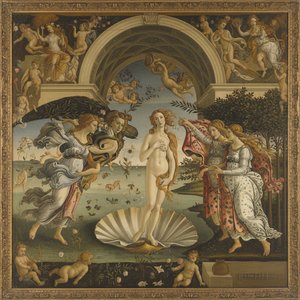
Odkryj 25 arcydzieł Sandro Botticellego! Poznaj historię 'Narodzin Wenus', 'Primavery' i innych ikonicznych obrazów renesansu włoskiego. Reprodukcje najwyższej jakości, inspiracje do wnętrz – Most-Famous-Paintings.com
Explore the Italian Renaissance! Discover how competitive patronage & humanist ideals fueled artistic innovation in republics like Florence & Venice. Expert insights for art lovers and collectors.

Poznaj fascynujący świat historii sztuki! Analizujemy twórczość mistrzów w kontekście epoki, styl artystyczny i ukryte symbole. Ekspercka wiedza o ikonografii, technikach malarskich i recepcji dzieł.

Odkryj fascynującą historię aniołów w sztuce! Analizujemy ewolucję ikonografii, symbolikę i emocjonalny wpływ anielskich reprezentacji od starożytności po współczesność. Ekspercka analiza dla miłośników sztuki.


Bądź na bieżąco z najnowszymi wiadomościami ze świata sztuki, ekskluzywnymi ofertami i inspiracjami dekoratorskimi.
Opowiedz nam o swoim projekcie, a nasi eksperci od sztuki przygotują dla Ciebie 3 spersonalizowane propozycje dzieł sztuki.
Pozwól nam przygotować 3 propozycje specjalnie dla Ciebie – za darmo!


 Udostępnij


 Rozwiń treść







 Opcja szkła jest dostępna wyłącznie w rozmiarach poniżej 110 cm