x


 Preview
 Zamów reprodukcję Kup cyfrowy obraz
 Udostępnij
 Szczegóły dzieła
 Dodaj do ulubionych
 Pobierz
 Podobne obiekty
 RTG
RTG
 Pokaz slajdów
 Akryl na płótnieSztuka ściennaEarly Renaissance
 1489Renesans
 150.0 x 156.0 cm
 Galleria degli Uffizi
Druk giclée lub płótno o jakości muzealnej z szybką realizacją i szerokim wyborem opcji wykończenia.





























Wybierz spośród naszych predefiniowanych rozmiarów, które zachowują oryginalne proporcje dzieła sztuki.

Możesz wprowadzić własne wymiary, aby dopasować dzieło do konkretnej ramy lub przestrzeni. Jeśli wybrany rozmiar nie będzie odpowiadał proporcjom oryginalnego obrazu, przytniecie dzieło lub rozszerzymy obraz za pomocą odbicia lustrzanego lub jednolitego wypełnienia krawędzi. Przed rozpoczęciem produkcji prześlemy cyfrową wizualizację do Twojej akceptacji.
Prosimy pamiętać, że podgląd na ekranie nie odzwierciedla faktycznego przycinania ani rozszerzania. Tylko wizualizacja dokładnie pokaże końcową kompozycję.
Mimo dostępności niestandardowych rozmiarów, zalecamy wybór wymiaru z listy zdefiniowanej, aby zachować oryginalne proporcje.
Dostawa na cały świat () w ciągu 2 tygodni zamiast standardowych 4/5 tygodni. (25 Lipiec)


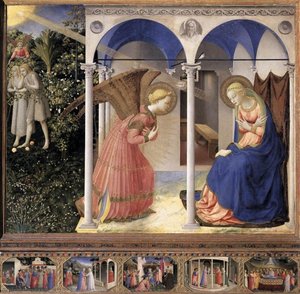
Anuncjacja w Cestello
Wymiary reprodukcji
Sandro Botticelli’s “Cestello Annunciation,” painted in 1489 for the chapel of Benedetto di Ser Giovanni Guardi, isn't merely a depiction of a biblical moment; it’s an immersive experience—a visual poem capturing the essence of divine grace unfolding within the heart of Renaissance Florence. This tempera painting on panel, now residing in the Uffizi Gallery, transcends the limitations of traditional religious art, offering instead a profound meditation on faith, humility, and the quiet beauty of revelation. Botticelli masterfully employs a subtle yet deliberate perspective, drawing the viewer into a serene Florentine setting that feels both intimate and monumental—a testament to his artistic genius.
The painting’s genesis is deeply intertwined with the religious fervor sweeping through Florence at the time. Savonarola's austere influence was palpable, yet Botticelli navigated this complex landscape with remarkable skill, creating a work that speaks to universal themes of spiritual yearning and acceptance. The commission itself highlights the importance of patronage in shaping artistic production; Benedetto di Ser Giovanni Guardi’s prayer for divine favor is woven into every brushstroke, transforming the chapel into a sacred space designed to inspire contemplation.
Botticelli's compositional technique is remarkably sophisticated for its time. Unlike the imposing frescoes dominating Florentine churches, “Cestello Annunciation” adopts a more intimate scale, prioritizing clarity of form and expressive detail. The scene unfolds within a carefully constructed interior space—a small room bathed in soft light, reminiscent of a Florentine courtyard. This deliberate choice immediately establishes a sense of intimacy and draws the viewer into the heart of the narrative. The use of linear perspective, subtly guiding the eye towards the vanishing point, creates a believable depth that anchors the scene within its environment.
Notice how Botticelli masterfully employs color to enhance the painting’s emotional impact. The cool blues and greens of the background landscape contrast beautifully with the warmer tones of the figures—the vibrant red of Mary's robe symbolizing her purity, while Gabriel’s blue signifies his divine authority. This careful orchestration of color not only adds visual interest but also subtly guides the viewer’s attention to key elements within the composition.
“Cestello Annunciation” is rich in symbolic detail, inviting viewers to decipher its layers of meaning. The setting itself—the “Cestello,” or basket, from which the painting derives its name—represents Mary’s womb, a potent symbol of divine potential and new life. Gabriel, kneeling before Mary, holds a lily – a traditional emblem of purity and innocence, signifying her acceptance of God's grace. The very gesture of Mary, with her hand raised in a modest acceptance, speaks volumes about her humility and faith.
Furthermore, the Latin inscription beneath the painting—"The Holy Ghost shall come upon thee, and the power of the Highest shall overshadow thee"—underscores the central theme of divine intervention. It’s a powerful reminder of the transformative nature of faith and the profound mystery at the heart of the Annunciation narrative.
“Cestello Annunciation” stands as a testament to Sandro Botticelli’s extraordinary artistic vision. It is more than just a religious painting; it’s a celebration of human beauty, spiritual contemplation, and the harmonious interplay between faith and art. Botticelli’s ability to capture not only the literal details of the scene but also its emotional essence—the quiet grace, the profound humility, and the overwhelming sense of divine presence—is what makes this painting so enduringly captivating. Reproductions of this masterpiece offer a unique opportunity to bring this Florentine hymn to divine grace into your home, allowing you to experience its beauty and symbolism firsthand.

1445 - 1510 , Włochy
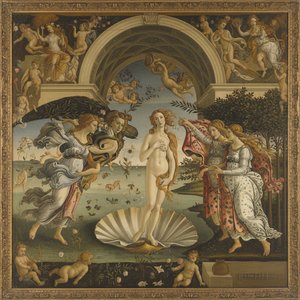
Odkryj 25 arcydzieł Sandro Botticellego! Poznaj historię 'Narodzin Wenus', 'Primavery' i innych ikonicznych obrazów renesansu włoskiego. Reprodukcje najwyższej jakości, inspiracje do wnętrz – Most-Famous-Paintings.com
Odkryj 10 arcydzieł renesansu wczesnego! Poznaj historie Leonarda da Vinci, Michała Anioła i Botticellego. Reprodukcje obrazów najwyższej jakości – inspiracje dla Twojego wnętrza na Most-Famous-Paintings.com.

Odkryj 25 arcydzieł Galerii Uffizi we Florencji! Poznaj historie Leonarda da Vinci, Botticellego i Rafaela. Reprodukcje obrazów najwyższej jakości dla Twojego wnętrza – inspiracje i dekoracje na Most-Famous-Paintings.com.

Poznaj fascynującą historię i techniki malarstwa temperą na desce. Analiza dzieł Botticellego, szczegółowy przewodnik po pigmentach i spoiwach. Odkryj sekrety trwałości i piękna obrazów temperowych!
Odkryj 25 arcydzieł Alte Pinakothek w Monachium! Poznaj historię Rembrandta, Rubensa i Dürera. Reprodukcje obrazów najwyższej jakości dla Twojego wnętrza. Inspiracje i dekoracje ścienne na Most-Famous-Paintings.com


Bądź na bieżąco z najnowszymi wiadomościami ze świata sztuki, ekskluzywnymi ofertami i inspiracjami dekoratorskimi.
Opowiedz nam o swoim projekcie, a nasi eksperci od sztuki przygotują dla Ciebie 3 spersonalizowane propozycje dzieł sztuki.
Pozwól nam przygotować 3 propozycje specjalnie dla Ciebie – za darmo!


 Udostępnij

 Rozwiń treść







 Opcja szkła jest dostępna wyłącznie w rozmiarach poniżej 110 cm