x


 Preview
 Zamów reprodukcję Kup cyfrowy obraz
 Udostępnij
 Szczegóły dzieła
 Dodaj do ulubionych
 Pobierz
 Podobne obiekty
 RTG
RTG
 Pokaz slajdów
Druk giclée lub płótno o jakości muzealnej z szybką realizacją i szerokim wyborem opcji wykończenia.





























Wybierz spośród naszych predefiniowanych rozmiarów, które zachowują oryginalne proporcje dzieła sztuki.

Możesz wprowadzić własne wymiary, aby dopasować dzieło do konkretnej ramy lub przestrzeni. Jeśli wybrany rozmiar nie będzie odpowiadał proporcjom oryginalnego obrazu, przytniecie dzieło lub rozszerzymy obraz za pomocą odbicia lustrzanego lub jednolitego wypełnienia krawędzi. Przed rozpoczęciem produkcji prześlemy cyfrową wizualizację do Twojej akceptacji.
Prosimy pamiętać, że podgląd na ekranie nie odzwierciedla faktycznego przycinania ani rozszerzania. Tylko wizualizacja dokładnie pokaże końcową kompozycję.
Mimo dostępności niestandardowych rozmiarów, zalecamy wybór wymiaru z listy zdefiniowanej, aby zachować oryginalne proporcje.
Dostawa na cały świat () w ciągu 2 tygodni zamiast standardowych 4/5 tygodni. (23 Lipiec)


Saint sebastian
Wymiary reprodukcji
Sandro Botticelli's “Saint Sebastian,” painted around 1474, is not merely a depiction of a martyred figure; it’s an exquisitely rendered meditation on suffering, faith, and the enduring power of the human spirit. This iconic work, housed within the Gemäldegalerie in Berlin, transcends its religious subject matter to become a timeless exploration of vulnerability and resilience—a testament to Botticelli's mastery of classical form and his profound understanding of human emotion. The painting immediately draws the eye with its strikingly nude figure, standing serenely before a monumental blue circle, an element that has fueled much scholarly debate regarding its precise meaning – perhaps representing the heavens or a symbolic boundary.
Botticelli’s approach to the subject matter diverges significantly from earlier depictions of Sebastian. While previous portrayals often emphasized the brutality of his ordeal—the arrows piercing his flesh, the agonizing expressions of pain—Botticelli presents a remarkably composed and dignified image. The saint's face is devoid of anguish; instead, he gazes outwards with an almost unnerving composure, suggesting a profound acceptance of his fate and a connection to something beyond earthly suffering. This deliberate restraint invites contemplation rather than immediate emotional response, prompting the viewer to consider the deeper spiritual implications of Sebastian’s sacrifice.
Botticelli's artistic style in “Saint Sebastian” is a fascinating blend of influences—a harmonious marriage between the elegance of late Gothic tradition and the burgeoning innovations of the Early Renaissance. The figure itself embodies classical ideals of beauty, with its balanced proportions, graceful pose (a subtle contrapposto), and idealized musculature. However, Botticelli doesn’t simply replicate classical forms; he imbues them with a distinctly Italian sensibility. Notice the delicate rendering of skin tones, the meticulous attention to detail in the folds of his loincloth, and the subtly expressive quality of his hands—all hallmarks of Botticelli's unique artistic vision.
Technically, the painting is executed in oil on wood panel, a medium that allowed Botticelli to achieve remarkable luminosity and depth. The use of color is restrained yet sophisticated, with the dominant blue of the surrounding circle creating a dramatic contrast against the pale flesh tones of Sebastian. The artist’s brushwork is remarkably smooth and refined, contributing to the overall sense of serenity and composure. It's a testament to his skill that he manages to convey such intense emotion through subtle gestures and carefully considered details.
Beyond its formal beauty, “Saint Sebastian” is rich in symbolic meaning. The arrows themselves are often interpreted as representing the wounds of sin and suffering—a reminder of humanity’s fallen state. However, Sebastian's unwavering gaze suggests a transcendence of earthly pain, pointing towards salvation and divine grace. The blue circle surrounding him can be seen as a symbol of heaven or the celestial realm, emphasizing the saint’s ultimate destination. The presence of two figures in the background—one on either side—adds another layer of complexity to the composition, perhaps representing witnesses to Sebastian's sacrifice or symbolizing the broader community of believers.
Interestingly, Botticelli’s depiction of Sebastian aligns with a shift in artistic representation during this period. While earlier portrayals focused heavily on the physical suffering of the saint, Botticelli emphasizes his spiritual fortitude and inner peace. This reflects a growing interest in exploring themes of faith, virtue, and the afterlife within Renaissance art—a move away from purely narrative depictions towards more introspective and symbolic representations.
Most-Famous-Paintings offers meticulously crafted hand-painted reproductions of Botticelli’s “Saint Sebastian,” allowing you to bring this extraordinary artwork into your home or office. Our skilled artists replicate the painting's exquisite detail, luminous colors, and nuanced emotional depth with unparalleled accuracy. Whether you are an art enthusiast, a collector, or simply seeking a stunning piece of décor, our reproductions provide a faithful representation of Botticelli’s masterpiece—a timeless symbol of faith, resilience, and the enduring beauty of the human spirit.

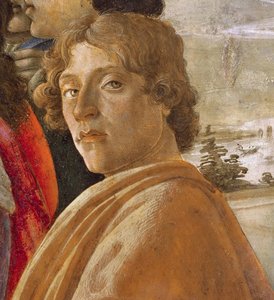
1445 - 1510 , Włochy

Odkryj fascynujący świat renesansu! Ekspercka analiza humanizmu, innowacji artystycznych i dzieł mistrzów takich jak Leonardo da Vinci. Poznaj historię i wpływ tej epoki na sztukę europejską.

Odkryj 10 arcydzieł renesansu – od Mona Lisy po freski Michała Anioła! Poznaj historie, techniki i wpływ największych artystów. Reprodukcje najwyższej jakości na Most-Famous-Paintings.com. Eksploruj kolekcję online!

Przekształć swoje wspomnienia w ponadczasowe dzieło sztuki! Ręcznie malowane portrety olejny na zamówienie, najwyższa jakość wykonania i indywidualne podejście. Eksperci pomogą wybrać idealny styl i rozmiar. Inwestycja w trwałe piękno.

Poznaj 10 arcydzieł malarstwa olejowego, które zrewolucjonizowały świat sztuki! Van Gogh, Monet, Picasso i inni – odkryj historie, techniki i emocje w słynnych obrazach. Reprodukcje najwyższej jakości na Most-Famous-Paintings.com. Eksploruj kolekcję online!

Odkryj 25 arcydzieł Galerii Uffizi we Florencji! Poznaj historie Leonarda da Vinci, Botticellego i Rafaela. Reprodukcje obrazów najwyższej jakości dla Twojego wnętrza – inspiracje i dekoracje na Most-Famous-Paintings.com.


Bądź na bieżąco z najnowszymi wiadomościami ze świata sztuki, ekskluzywnymi ofertami i inspiracjami dekoratorskimi.
Opowiedz nam o swoim projekcie, a nasi eksperci od sztuki przygotują dla Ciebie 3 spersonalizowane propozycje dzieł sztuki.
Pozwól nam przygotować 3 propozycje specjalnie dla Ciebie – za darmo!


 Udostępnij


 Rozwiń treść







 Opcja szkła jest dostępna wyłącznie w rozmiarach poniżej 110 cm