Sprzedawaj swoją sztukę
Lista życzeń Koszyk zakupowy Cart
Podgląd w skaliPodgląd w skali Podgląd ARPodgląd AR Zamów wydruk Zamów wydrukZamów ręcznie malowaną reprodukcję Zamów ręcznie malowaną reprodukcję Wyślij jako kartkęWyślij jako kartkę
Szczegóły dziełaSzczegóły dzieła Dodaj do ulubionych Dodaj do ulubionych PobierzPobierz Podobne obiektyPodobne obiekty RTGRTG Pokaz slajdówPokaz slajdów

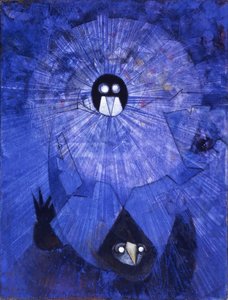
Guarding the Corn Fields

Seth Eastman (1808-1875) was a US Army officer & Hudson River School artist renowned for his detailed paintings of Native American life, particularly the Dakota Sioux. Explore his historical scenes and illustrations commissioned by Congress.

Kup wysokiej rozdzielczości, ulepszony obraz cyfrowy o znacznie wyższej jakości niż podgląd online.

Każdy plik jest starannie przygotowywany przez naszych specjalistów przy użyciu zaawansowanych narzędzi oraz profesjonalnej, ręcznej retuszy. Dbamy o to, aby każdy obraz cechował się wyjątkową ostrością, precyzyjnym odwzorowaniem kolorów i subtelnymi detalami.

Ostateczny plik dostarczany jest drogą mailową w ciągu 72 godzin, zoptymalizowany do natychmiastowego wykorzystania w profesjonalnych zastosowaniach redakcyjnych i poligraficznych. To ta sama jakość, której ufają czołowe studia projektowe, wydawnictwa oraz galerie sztuki.

Obraz cyfrowy

Pobierz plik o wysokiej rozdzielczości do osobistego wyświetlania, druku oraz projektów kreatywnych. (Zamów wydruk Zamów wydrukZamów ręcznie malowaną reprodukcję Zamów ręcznie malowaną reprodukcję)

Suma do zapłaty

$ 24,90

W każdym zamówieniu na obraz cyfrowy znajduje się

Profesjonalna dostawa cyfrowa z gwarancją

Wybierając Most-Famous-Paintings.com, nie otrzymujesz jedynie obrazu – otrzymujesz profesjonalnie udoskonalone cyfrowe dzieło sztuki, stworzone z najwyższą precyzją i objęte gwarancją satysfakcji. Oto wszystko, co automatycznie dołączane jest do Twojego zamówienia:

shipping_icon
Błyskawiczna wysyłka e-mailowa

Plik z obrazem cyfrowym w wysokiej rozdzielczości zostanie przesłany na Twój adres e-mail w ciągu 72 godzin od złożenia zamówienia – gotowy do natychmiastowego użycia.

canvas_icon
Plik cyfrowy wzbogacony przez AI

Twoja grafika została profesjonalnie zoptymalizowana przy użyciu zaawansowanych narzędzi AI oraz ręcznej edycji, co zapewnia maksymalną szczegółowość, klarowność i wierność kolorów.

insurance_icon
Dożywotnia darmowa ponowna dostawa

Przypadkowo usunąłeś lub zgubiłeś swój plik? Bez obaw – prześlemy go Tobie ponownie w dowolnym momencie, bez żadnych opłat.

tax_icon
Bez opłat importowych – zawsze

Ciesz się swoją sztuką natychmiast, bez żadnych opłat celnych, należności ani kosztów dostawy – pliki cyfrowe są zawsze wolne od podatku.

color_icon
Gwarancja wierności kolorów

Dzięki zastosowaniu profesjonalnych narzędzi i procesów zarządzania barwą zapewniamy, że Twoje cyfrowe zdjęcie odzwierciedla oryginalne kolory tak wiernie, jak to tylko możliwe.

return_icon
60-dniowa gwarancja satysfakcji

Jeśli nie będziesz zadowolony ze swojego cyfrowego obrazu, dokonamy jego poprawki lub zwrócimy 100% kosztów w ciągu 60 dni – bez żadnych pytań.

guarantee_icon
100% Gwarancja zwrotu pieniędzy

Nie jesteś zadowolony? Otrzymaj pełny zwrot kosztów w ciągu 60 dni od otrzymania pliku cyfrowego – bez zbędnych pytań.

discount_icon
Rabaty przy zamówieniach hurtowych

Kup 3 obrazy, oszczędź 10% - Kup 5, oszczędź 15% - Kup 10+, oszczędź 20%. Idealne do projektów kreatywnych, galerii i agencji.


Biografia artysty

The Dual Vision of a Frontier Chronicler

Seth Eastman lived a life defined by the striking duality of the sword and the brush. As a West Point graduate and a distinguished officer in the United States Army, his early years were forged in the crucible of military discipline and the rugged expanses of the American frontier. During the Mexican-American War, Eastman did not merely navigate challenging terrains as a soldier; he observed them with the keen, analytical eye of a mapmaker. This period of service, marked by bravery and leadership, provided him with a unique vantage point—a perspective that blended the strategic precision of a military officer with the profound sensitivity of an artist.

His journey through the Dakota Territory and his command positions within the expanding West allowed him to witness the dramatic shifts of a nation in motion. While his military career saw him rise through the ranks to become a Lieutenant Colonel, it was his quiet moments of observation that would ultimately secure his place in the annals of American art history.

A Witness to Vanishing Worlds

Perhaps Eastman’s most enduring contribution to the American identity is his role as an ethnographic chronicler. Tasked by Congress with documenting the lives of Native American tribes following the Treaty of Fort Laramie, he undertook arduous expeditions that were as much scientific endeavors as they were artistic ones. His work for Henry Rowe Schoolcraft’s monumental six-volume study stands as a testament to his commitment to accuracy and detail. Through his hundreds of illustrations, Eastman captured the rhythmic pulse of the Sioux tribes in Minnesota and South and Dakota—documenting hunting rituals, sacred ceremonies, and the dignified portraits of tribal elders with an uncompromising realism.

These works are more than mere illustrations; they are windows into a way of life that was being irrevocably altered by the tides of westward expansion. In his depictions of communal joy, such as the spirited ballplay of the Dakota on the frozen St. Peters River, or the quiet dignity of daily survival, Eastman imbued his subjects with a humanity that transcended the colonial gaze. He possessed a rare ability to translate the ephemeral moments of frontier life into permanent visual records, ensuring that the vibrant culture of the Plains peoples would not be lost to the shadows of history. His brush served as a bridge between the known and the unknown, capturing the essence of a world in transition.

The Hudson River Legacy and the Golden West

Artistically, Eastman was deeply rooted in the Hudson River School tradition, a movement characterized by its reverence for the sublime power of nature. His style reflected the meticulous attention to detail and the luminous quality of light that defined his contemporaries, such as Thomas Moran. This influence is evident in his ability to render the landscape not just as a backdrop, but as a living, breathing protagonist in the American story.

This mastery of light and texture extended even to his explorations of the California frontier. In his delicate watercolors depicting the Yokuts people within the San Joaquin Valley, Eastman demonstrated an extraordinary capacity for capturing the translucent layers of the natural world. Whether portraying the purposeful movement of women gathering grass seed or the sweeping vistas of a golden valley, his work remained anchored in a profound connection to the earth. Through this seamless blend of military precision and artistic lyricism, Seth Eastman remains a singular figure—a man who mapped the land and, in doing so, captured its very soul.
seth eastman

seth eastman

1808 - 1875

Krótka nota

  • Artistic Movement Or Style: Hudson River School
  • Artists Who Influenced This Artist:
    • Hudson George Frederic Watts
    • Thomas Cole
  • Date Of Birth: 1808
  • Date Of Death: 1875
  • Full Name: Seth Eastman
  • Nationality: American
  • Notable Artworks:
    • Fort Laramie Expedition Landscape
    • Dakota War I: Battle of Birch Bark Grove
    • The Death Scene
  • Place Of Birth: Pittsfield, Massachusetts