x


 Zamów wydruk Kup cyfrowy obraz
 Udostępnij
 Szczegóły dzieła
 Dodaj do ulubionych
 Pobierz
 Podobne obiekty
 RTG
RTG
 Pokaz slajdów
Ręcznie malowany olej na płótnie w Twoim wymiarze i ramie, tworzony na zamówienie przez naszych artystów.





























Wybierz spośród naszych predefiniowanych rozmiarów, które zachowują oryginalne proporcje dzieła sztuki.

Możesz wprowadzić własne wymiary, aby dopasować obraz do konkretnej ramy lub przestrzeni. Jeśli wybrany rozmiar nie będzie odpowiadał proporcjom oryginału, przytniecie dzieło sztuki lub rozszerzymy je o dodatkowe elementy, ręcznie domalowane przez artystę. Przed rozpoczęciem produkcji wyślemy projekt cyfrowy do Twojej akceptacji.
Należy pamiętać, że podgląd na ekranie nie odzwierciedla rzeczywistego przycinania ani rozszerzania obrazu. Tylko projekt dokładnie pokaże ostateczną kompozycję.
Choć oferujemy możliwość zamówienia niestandardowych rozmiarów, zalecamy wybór wymiaru z gotowej listy, aby zachować oryginalne proporcje dzieła.
Dostawa na całym świecie () w ciągu 3/4 tygodni zamiast standardowych 5 tygodni. (18 Lipiec). Bez kompromisów w kwestii jakości.


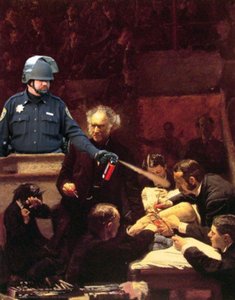
Gabinet Grossa
Wymiary reprodukcji
Thomas Eakins' "The Gross Clinic," painted in 1875, isn’t merely a depiction of a surgical procedure; it’s a profound and unsettling exploration of the human condition, medical advancement, and the intersection of science and humanity. This iconic work stands as a testament to Eakins’ unwavering commitment to realism – a style he honed through meticulous observation and an almost clinical precision that continues to captivate viewers today. The painting transports us directly into Dr. Samuel D. Gross's Philadelphia clinic, capturing a pivotal moment in the evolution of surgery while simultaneously revealing the raw emotions simmering beneath the surface of this seemingly sterile environment.
The scene unfolds within a dimly lit operating room, dominated by the stark presence of Dr. Gross, a respected surgeon known for his innovative techniques and dedication to patient care. He’s not portrayed as a heroic figure, but rather as a man of considerable age, engaged in a delicate operation on a young patient suffering from osteomyelitis of the femur – a bone infection that was often fatal at the time. Eakins masterfully utilizes strong diagonal lines, creating a dynamic tension within the composition, drawing our eye across the scene and emphasizing the urgency of the moment. The monochromatic palette, primarily composed of deep earthy tones, contributes to this sense of gravity and seriousness, lending an almost photographic quality to the image.
Eakins’ style is characterized by a remarkable level of detail – a hallmark of his artistic approach. He wasn't interested in romanticizing or idealizing; instead, he sought to dissect reality, understanding its anatomy both physical and psychological, and then reconstruct it on canvas with an unflinching honesty. The painting showcases this meticulous attention to detail through the rendering of textures: the rough fabric of the surgeon’s frock coat, the smooth skin of the patient, the intricate instruments laid out on the table. Furthermore, Eakins' skill in capturing human expression is remarkable; each figure – from Dr. Gross’s focused gaze to the young patient’s evident distress – conveys a powerful sense of emotion.
The use of dramatic lighting further enhances the painting’s impact. The light source, positioned above and slightly to the side, casts strong shadows, highlighting key elements and creating a sense of depth. This technique, combined with Eakins' masterful understanding of perspective, contributes to the overall realism and immediacy of the scene. Notably, Eakins employed a method he’d learned from his studies in Europe – meticulously sketching the subject *en plein air*, directly observing the light and shadows as they fell upon it.
“The Gross Clinic” is deeply rooted in its historical context. It depicts a time when surgery was still largely unregulated, often performed without proper sanitation or anesthesia. Dr. Gross’s conservative approach – opting for a less invasive procedure than the prevailing amputation technique – represented a significant step forward in medical practice. However, Eakins doesn't shy away from portraying the inherent discomfort and vulnerability of the patient; the lone woman in the painting, likely his wife or the young patient’s mother, is positioned in the background, her face etched with worry and apprehension. This juxtaposition – the calm professionalism of the surgeons contrasted with the raw human distress – underscores the emotional weight of the scene.
The inclusion of Eakins himself, sketching at the edge of the operating table, adds another layer of complexity to the painting. It suggests a desire for objective observation and documentation, reflecting Eakins’ own scientific curiosity and his commitment to capturing reality with unwavering accuracy. The presence of Dr. Franklin West, meticulously taking notes, further emphasizes the importance of record-keeping in advancing medical knowledge.
“The Gross Clinic” continues to resonate with art lovers, collectors, and interior designers today for several reasons. Its dramatic composition, rich detail, and historical significance make it a striking addition to any collection or space. Beyond its artistic merits, the painting offers a powerful commentary on the human condition – exploring themes of suffering, progress, and the ethical dilemmas inherent in scientific advancement. Reproductions of this masterpiece provide an opportunity to bring this compelling work into your home, serving as both a conversation starter and a testament to Eakins’ enduring legacy as one of America's greatest realist painters.


1844 - 1916 , Stany Zjednoczone
Poznaj 10 arcydzieł amerykańskiego realizmu! Odkryj historie Winslowa Homera, Edwarda Hoppera i innych mistrzów. Reprodukcje obrazów najwyższej jakości – inspiracje do Twojego wnętrza na Most-Famous-Paintings.com

Explore the life & legacy of Thomas Eakins, a pivotal American Realist painter. Discover his groundbreaking techniques, anatomical precision, and iconic works like 'The Gross Clinic.' A comprehensive guide for art enthusiasts.

Poznaj 25 arcydzieł Winslowa Homera – amerykańskiego mistrza realizmu i malarstwa morskiego. Odkryj historie, techniki i inspiracje z jego najsłynniejszych obrazów. Reprodukcje najwyższej jakości na Most-Famous-Paintings.com! Eksploruj kolekcję online.

Odkryj 25 najpiękniejszych arcydzieł Claude Moneta – impresjonistycznych pejzaży, nymfeii i słonecznych krajobrazów. Poznaj historię sztuki i zainspiruj się do dekoracji wnętrz z Most-Famous-Paintings.com! Eksploruj pełną kolekcję online.

Odkryj amerykański realizm! Poznaj historie mistrzów i ich arcydzieła odzwierciedlające życie codzienne, pracę i zmieniającą się Amerykę. Inspiracje do Twojego wnętrza na Most-Famous-Paintings.com.


Bądź na bieżąco z najnowszymi wiadomościami ze świata sztuki, ekskluzywnymi ofertami i inspiracjami dekoratorskimi.
Opowiedz nam o swoim projekcie, a nasi eksperci od sztuki przygotują dla Ciebie 3 spersonalizowane propozycje dzieł sztuki.
Pozwól nam przygotować 3 propozycje specjalnie dla Ciebie – za darmo!


 Udostępnij


 Rozwiń treść







 Opcja szkła jest dostępna wyłącznie w rozmiarach poniżej 110 cm