


x

 Oil On CanvasWallArtBaroque
 1558
1558 371.0 x 197.0 cm
 Museo Civico
Kup wysokiej rozdzielczości, ulepszony obraz cyfrowy o znacznie wyższej jakości niż podgląd online.
Każdy plik jest starannie przygotowywany przez naszych specjalistów przy użyciu zaawansowanych narzędzi oraz profesjonalnej, ręcznej retuszy. Dbamy o to, aby każdy obraz cechował się wyjątkową ostrością, precyzyjnym odwzorowaniem kolorów i subtelnymi detalami.
Ostateczny plik dostarczany jest drogą mailową w ciągu 72 godzin, zoptymalizowany do natychmiastowego wykorzystania w profesjonalnych zastosowaniach redakcyjnych i poligraficznych. To ta sama jakość, której ufają czołowe studia projektowe, wydawnictwa oraz galerie sztuki.
Pobierz plik o wysokiej rozdzielczości do osobistego wyświetlania, druku oraz projektów kreatywnych. ( Zamów wydruk Zamów ręcznie malowaną reprodukcję)
Wybierając Most-Famous-Paintings.com, nie otrzymujesz jedynie obrazu – otrzymujesz profesjonalnie udoskonalone cyfrowe dzieło sztuki, stworzone z najwyższą precyzją i objęte gwarancją satysfakcji. Oto wszystko, co automatycznie dołączane jest do Twojego zamówienia:

Plik z obrazem cyfrowym w wysokiej rozdzielczości zostanie przesłany na Twój adres e-mail w ciągu 72 godzin od złożenia zamówienia – gotowy do natychmiastowego użycia.

Twoja grafika została profesjonalnie zoptymalizowana przy użyciu zaawansowanych narzędzi AI oraz ręcznej edycji, co zapewnia maksymalną szczegółowość, klarowność i wierność kolorów.

Przypadkowo usunąłeś lub zgubiłeś swój plik? Bez obaw – prześlemy go Tobie ponownie w dowolnym momencie, bez żadnych opłat.

Ciesz się swoją sztuką natychmiast, bez żadnych opłat celnych, należności ani kosztów dostawy – pliki cyfrowe są zawsze wolne od podatku.

Dzięki zastosowaniu profesjonalnych narzędzi i procesów zarządzania barwą zapewniamy, że Twoje cyfrowe zdjęcie odzwierciedla oryginalne kolory tak wiernie, jak to tylko możliwe.

Jeśli nie będziesz zadowolony ze swojego cyfrowego obrazu, dokonamy jego poprawki lub zwrócimy 100% kosztów w ciągu 60 dni – bez żadnych pytań.

Nie jesteś zadowolony? Otrzymaj pełny zwrot kosztów w ciągu 60 dni od otrzymania pliku cyfrowego – bez zbędnych pytań.

Kup 3 obrazy, oszczędź 10% - Kup 5, oszczędź 15% - Kup 10+, oszczędź 20%. Idealne do projektów kreatywnych, galerii i agencji.
Tiziano Vecellio's "Crucifixion," completed in 1558 and currently residing within the sanctuary of San Domenico in Ancona, Italy, is not merely a depiction of a biblical event; it’s an immersive experience of grief, faith, and profound human suffering. Painted during a pivotal period of his artistic evolution, this monumental oil on canvas transcends simple representation to become a deeply emotive meditation on sacrifice and redemption – a cornerstone of the Venetian Renaissance's exploration of religious themes.
The scene unfolds with arresting immediacy. Christ, suspended upon the stark wooden cross, dominates the composition, yet he is not presented as a triumphant martyr but rather as a figure utterly consumed by agony. The artist’s masterful use of chiaroscuro – the dramatic interplay of light and shadow – intensifies this sense of torment. Deep blues and browns envelop the background, suggesting an oppressive atmosphere mirroring Christ's ordeal, while strategically placed highlights illuminate his body, emphasizing the brutal reality of his wounds and the sheer weight of his suffering. The figures flanking the cross—traditionally identified as Mary and Saint John—are not presented as passive observers but as deeply affected witnesses, their postures conveying a palpable sense of sorrow and reverence.
Titian’s genius lies in his ability to imbue religious subjects with an unprecedented level of naturalism and emotional depth. This painting exemplifies that skill perfectly. The application of oil paint is remarkably loose and expressive, a departure from the smoother, more polished styles prevalent at the time. Notice the visible brushstrokes—they aren't concealed but rather contribute to the texture and dynamism of the scene. The artist employs a vibrant yet restrained palette; deep blues, rich reds, and earthy browns dominate, creating a visual harmony that is both somber and captivating. The use of color isn’t merely decorative; it serves to amplify the emotional impact of the narrative.
Furthermore, Titian's innovative approach to landscape integration is particularly noteworthy. Rather than relegating the background to a simple, static backdrop, he seamlessly weaves in a dramatic, almost surreal, Italianate landscape—a rolling vista of hills and distant clouds. This inclusion elevates the scene beyond a purely theological representation, suggesting a connection between Christ’s suffering and the broader beauty and fragility of the natural world. The landscape isn't just decorative; it serves as a visual metaphor for both the earthly realm and the spiritual one.
"Crucifixion" is deeply rooted in the religious and artistic conventions of its time. As a central image within Christian iconography, the crucifixion represents the ultimate sacrifice made for humanity’s salvation. The inscription “INRI” – Latin for “Jesus of Nazareth, King of the Jews” – serves as a pointed reminder of Christ's public humiliation and rejection by the Roman authorities. The figures surrounding the cross—Mary and John—are not simply witnesses but embody key aspects of Christian faith: Mary represents maternal compassion and unwavering devotion, while John symbolizes theological contemplation and spiritual insight.
Painted during the High Renaissance, this work reflects a shift towards greater emotional intensity and dramatic realism in art. Titian’s exploration of human suffering aligns with the broader cultural trends of the era, which increasingly focused on exploring the complexities of human experience—both the joyous and the tragic. The painting's placement within the San Domenico church underscores its importance as a devotional work intended to inspire contemplation and reverence.
“Crucifixion” remains a profoundly moving artwork centuries after its creation. It’s not simply a historical record but a visceral experience of sorrow, faith, and the enduring power of human compassion. Titian's masterful technique—his innovative use of color, his dynamic brushwork, and his ability to seamlessly integrate landscape into religious narrative—solidifies this painting as a cornerstone of Venetian Renaissance art and a testament to the artist’s unparalleled genius. Reproductions capture only a fraction of the original’s emotional resonance, but offer a window into a world of profound beauty and spiritual depth.

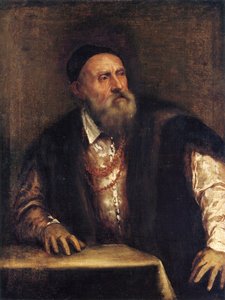
1490 - 1576 , Włochy


Bądź na bieżąco z najnowszymi wiadomościami ze świata sztuki, ekskluzywnymi ofertami i inspiracjami dekoratorskimi.
Opowiedz nam o swoim projekcie, a nasi eksperci przygotują dla Ciebie 3 spersonalizowane propozycje dzieł sztuki.
Przygotujemy dla Ciebie 3 propozycje zupełnie za darmo!


 Podgląd w skali
 Wyślij jako kartkę
 Udostępnij
 Szczegóły dzieła

 Pobierz
 Podobne obiekty
 RTG
RTG Pokaz slajdów
 Rozwiń treść


