


x

 Oil On CanvasWallArtBaroque Renaissance
 1548
1548 68.0 x 53.0 cm
 Muzeum Prado
Kup wysokiej rozdzielczości, ulepszony obraz cyfrowy o znacznie wyższej jakości niż podgląd online.
Każdy plik jest starannie przygotowywany przez naszych specjalistów przy użyciu zaawansowanych narzędzi oraz profesjonalnej, ręcznej retuszy. Dbamy o to, aby każdy obraz cechował się wyjątkową ostrością, precyzyjnym odwzorowaniem kolorów i subtelnymi detalami.
Ostateczny plik dostarczany jest drogą mailową w ciągu 72 godzin, zoptymalizowany do natychmiastowego wykorzystania w profesjonalnych zastosowaniach redakcyjnych i poligraficznych. To ta sama jakość, której ufają czołowe studia projektowe, wydawnictwa oraz galerie sztuki.
Pobierz plik o wysokiej rozdzielczości do osobistego wyświetlania, druku oraz projektów kreatywnych. ( Zamów wydruk Zamów ręcznie malowaną reprodukcję)
Wybierając Most-Famous-Paintings.com, nie otrzymujesz jedynie obrazu – otrzymujesz profesjonalnie udoskonalone cyfrowe dzieło sztuki, stworzone z najwyższą precyzją i objęte gwarancją satysfakcji. Oto wszystko, co automatycznie dołączane jest do Twojego zamówienia:

Plik z obrazem cyfrowym w wysokiej rozdzielczości zostanie przesłany na Twój adres e-mail w ciągu 72 godzin od złożenia zamówienia – gotowy do natychmiastowego użycia.

Twoja grafika została profesjonalnie zoptymalizowana przy użyciu zaawansowanych narzędzi AI oraz ręcznej edycji, co zapewnia maksymalną szczegółowość, klarowność i wierność kolorów.

Przypadkowo usunąłeś lub zgubiłeś swój plik? Bez obaw – prześlemy go Tobie ponownie w dowolnym momencie, bez żadnych opłat.

Ciesz się swoją sztuką natychmiast, bez żadnych opłat celnych, należności ani kosztów dostawy – pliki cyfrowe są zawsze wolne od podatku.

Dzięki zastosowaniu profesjonalnych narzędzi i procesów zarządzania barwą zapewniamy, że Twoje cyfrowe zdjęcie odzwierciedla oryginalne kolory tak wiernie, jak to tylko możliwe.

Jeśli nie będziesz zadowolony ze swojego cyfrowego obrazu, dokonamy jego poprawki lub zwrócimy 100% kosztów w ciągu 60 dni – bez żadnych pytań.

Nie jesteś zadowolony? Otrzymaj pełny zwrot kosztów w ciągu 60 dni od otrzymania pliku cyfrowego – bez zbędnych pytań.

Kup 3 obrazy, oszczędź 10% - Kup 5, oszczędź 15% - Kup 10+, oszczędź 20%. Idealne do projektów kreatywnych, galerii i agencji.
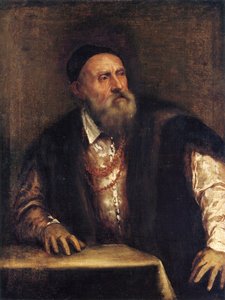
Titian’s “Ecce Homo,” painted in 1548, isn't merely a depiction of a biblical scene; it’s a profound meditation on humility, judgment, and the unsettling beauty of human suffering. This oil-on-canvas masterpiece, currently residing within the hallowed halls of the Museo del Prado in Madrid, offers a rare glimpse into the mind of one of the Renaissance’s most influential figures – Tiziano Vecellio, or simply Titian. The painting's stark monochrome palette immediately draws the viewer in, stripping away the distractions of color and focusing entirely on the figure of Christ before him. It’s a deliberate choice that amplifies the gravity of the moment, echoing the solemnity of early Christian iconography while simultaneously hinting at a more personal, almost melancholic contemplation.
The year 1548 marked a pivotal point in Titian’s career. He had recently traveled to Augsburg, Germany, where he was commissioned by Emperor Charles V to paint portraits of the imperial court. This journey coincided with Charles's hard-won victory at the Battle of Mühlberg, a triumph that solidified his power and demanded visual representation. “Ecce Homo,” likely created during this period, serves as a poignant counterpoint to the celebratory imagery often associated with imperial power. Rather than glorifying military might, Titian presents a scene of quiet introspection – a Christ accepting his fate with a profound sadness that resonates deeply within the viewer.
Titian’s mastery lies not just in his subject matter but also in his extraordinary technical skill. The painting's composition is remarkably balanced, with Christ occupying a central position that commands immediate attention. His downward gaze, a direct address to the viewer, creates an intimate connection, as if he’s sharing a private moment of reflection. Notice the subtle modeling of his face – the delicate lines around his eyes and mouth convey a wealth of emotion without resorting to dramatic gestures. The loose brushwork, characteristic of Titian's mature style, lends a sense of immediacy and movement to the scene, preventing it from feeling static or overly formal. The use of *chiaroscuro*, the masterful interplay of light and shadow, further enhances the depth and dimensionality, guiding our eyes towards the central figure and amplifying the emotional impact.
While rooted in the biblical story of Pilate presenting Jesus to the crowd proclaiming “Behold, the Man!”, “Ecce Homo” transcends a simple retelling. The absence of other figures – save for two indistinct individuals in the background – emphasizes Christ’s isolation and vulnerability. This deliberate framing invites contemplation on themes of sacrifice, judgment, and the human condition. Some art historians suggest that Titian may have subtly incorporated elements of Venetian folklore or symbolism into the painting, though these interpretations remain debated. Regardless, the image powerfully evokes a sense of universal sorrow – a recognition of mortality and the weight of responsibility inherent in leadership.
At Most-Famous-Paintings.com, we are dedicated to preserving the beauty and impact of masterpieces like “Ecce Homo.” Our meticulously crafted oil painting reproductions capture every nuance of Titian’s original technique, offering you an exquisite addition to your collection or a stunning focal point for your interior design. Experience the profound emotion and artistic genius of this iconic work firsthand – a timeless testament to the power of art to illuminate the human spirit.

1490 - 1576 , Włochy


Bądź na bieżąco z najnowszymi wiadomościami ze świata sztuki, ekskluzywnymi ofertami i inspiracjami dekoratorskimi.
Opowiedz nam o swoim projekcie, a nasi eksperci przygotują dla Ciebie 3 spersonalizowane propozycje dzieł sztuki.
Przygotujemy dla Ciebie 3 propozycje zupełnie za darmo!


 Podgląd w skali
 Wyślij jako kartkę
 Udostępnij
 Szczegóły dzieła

 Pobierz
 Podobne obiekty
 RTG
RTG Pokaz slajdów
 Rozwiń treść


