x

 Oil On CanvasWallArtRenaissance Echo
 154319th Century
 3610.0 x 2420.0 cm
 Kunsthistorisches Museum
Ręcznie malowany obraz olejny na płótnie, wykonany na zamówienie przez naszych artystów w wybranym przez Ciebie wymiarze i oprawie. ( Zamów wydruk Kup obraz wysokiej rozdzielczości)





























Wybierz spośród naszych standardowych rozmiarów, które zachowują oryginalne proporcje dzieła sztuki.

Możesz wprowadzić własne wymiary, aby dopasować obraz do konkretnej ramy lub przestrzeni. Jeśli wybrany rozmiar nie będzie odpowiadał proporcjom oryginału, przytniecie dzieło sztuki lub rozszerzymy je o dodatkowe elementy, ręcznie domalowane przez artystę. Przed rozpoczęciem produkcji wyślemy projekt cyfrowy do Twojej akceptacji.
Należy pamiętać, że podgląd na ekranie nie odzwierciedla rzeczywistego przycinania ani rozszerzania obrazu. Tylko projekt dokładnie pokaże ostateczną kompozycję.
Choć oferujemy możliwość zamówienia niestandardowych rozmiarów, zalecamy wybór wymiaru z gotowej listy, aby zachować oryginalne proporcje dzieła.
Dostawa na całym świecie () w ciągu 3–4 tygodni zamiast standardowych 5 tygodni. (21 Sierpień). Bez kompromisów w kwestii jakości.


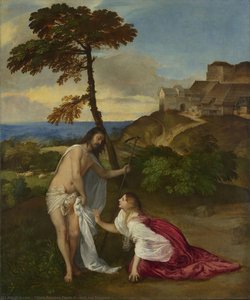
Ecce Homo
Wymiary reprodukcji
In the quiet, shadowed depths of Titian Ramsay Peale II’s Ecce Homo, one finds a profound encounter with both the divine and the human. The painting presents a man—unmistakably evocative of Jesus Christ—caught in a singular moment of intense introspection. His downward gaze, heavy with the weight of contemplation, draws the viewer into a sacred space of reflection. With hands pressed against his chest, he appears to be caught between a silent prayer and the crushing reality of his fate. This is not merely a portrait; it is an emotional landscape where the boundaries between the spiritual and the physical blur through the masterful use of chiaroscuro. The dramatic interplay of light and shadow heightens the emotional intensity of the scene, pulling the observer's gaze directly to Christ at the composition's heart.
Completed in a period that saw significant cultural exchange between Europe and America, this work stands as a testament to the enduring influence of Renaissance ideals within the burgeoning artistic landscape of the United States. While Titian Ramsay Peale II was part of a legendary American dynasty—the son of the monumental Charles Willson Peale—his artistic heart remained tethered to the classical masters of the Old World. His style leans heavily toward Mannerism, yet it is tempered by a unique sensibility that reflects his lineage and the broader European currents of his time. Through meticulous attention to detail and a vibrant color palette, Peale II channels the aesthetic principles championed by the Venetian masters, creating a compelling tension between Old World reverence and New World expression.
The subject matter of Ecce Homo confronts viewers with a dramatic depiction of Christ’s Passion—specifically, the harrowing moment he is presented before Pontius Pilate as “the Lamb of God.” The scene is far from static; it is charged with the energy of ancient conflict. Within the composition, one can discern the presence of Roman soldiers and the remnants of a recent skirmish, with swords lying near the ground and horses positioned amidst the crowd. This deliberate choice of subject matter, which was relatively uncommon in certain artistic circles of his era, allows Peale II to explore themes of sacrifice, judgment, and the heavy burden of destiny. For the collector or interior designer, this piece offers more than just visual beauty; it provides a profound narrative anchor, bringing a sense of historical gravity and timeless spiritual depth to any curated space.


1799 - 1885 , Stany Zjednoczone
Explore the dramatic mastery of chiaroscuro and tenebrism. From Caravaggio's shadows to Renaissance light, discover how art history's greatest masters used contrast to define emotion and form in this expert guide for art enthusiasts and collectors.

Explore the profound mastery of Rembrandt's chiaroscuro technique. Discover how this Dutch Golden Age master used dramatic light and shadow to capture the human soul through iconic Baroque masterpieces.

Explore the profound power of chiaroscuro and tenebrism. Discover how the Old Masters used light and shadow to create art history's most dramatic masterpieces, from Caravaggio to Ribera, and learn how these techniques define timeless aesthetic beauty.

Explore the dramatic mastery of the Dutch Baroque era. Discover how masters like Rembrandt used chiaroscuro to transform everyday life into timeless art. An expert guide for collectors and enthusiasts seeking to understand the profound interplay of light and shadow.


Bądź na bieżąco z najnowszymi wiadomościami ze świata sztuki, ekskluzywnymi ofertami i inspiracjami dekoratorskimi.
Opowiedz nam o swoim projekcie, a nasi eksperci przygotują dla Ciebie 3 spersonalizowane propozycje dzieł sztuki.
Przygotujemy dla Ciebie 3 propozycje zupełnie za darmo!


 Podgląd w skali
 Wyślij jako kartkę
 Udostępnij
 Szczegóły dzieła

 Pobierz
 Podobne obiekty
 RTG
RTG Pokaz slajdów
 Rozwiń treść







 Opcja ze szkłem jest dostępna wyłącznie w rozmiarach poniżej 110 cm