


x

 Oil On CanvasWallArtLate Renaissance
 1575
1575 184.0 x 177.0 cm
 Monasterio de San Lorenzo
Kup wysokiej rozdzielczości, ulepszony obraz cyfrowy o znacznie wyższej jakości niż podgląd online.
Każdy plik jest starannie przygotowywany przez naszych specjalistów przy użyciu zaawansowanych narzędzi oraz profesjonalnej, ręcznej retuszy. Dbamy o to, aby każdy obraz cechował się wyjątkową ostrością, precyzyjnym odwzorowaniem kolorów i subtelnymi detalami.
Ostateczny plik dostarczany jest drogą mailową w ciągu 72 godzin, zoptymalizowany do natychmiastowego wykorzystania w profesjonalnych zastosowaniach redakcyjnych i poligraficznych. To ta sama jakość, której ufają czołowe studia projektowe, wydawnictwa oraz galerie sztuki.
Pobierz plik o wysokiej rozdzielczości do osobistego wyświetlania, druku oraz projektów kreatywnych. ( Kup wydruk Kup ręcznie malowany obraz)
Wybierając Most-Famous-Paintings.com, nie otrzymujesz jedynie obrazu – otrzymujesz profesjonalnie udoskonalone cyfrowe dzieło sztuki, stworzone z najwyższą precyzją i objęte gwarancją satysfakcji. Oto wszystko, co automatycznie dołączane jest do Twojego zamówienia:

Plik z obrazem cyfrowym w wysokiej rozdzielczości zostanie przesłany na Twój adres e-mail w ciągu 72 godzin od złożenia zamówienia – gotowy do natychmiastowego użycia.

Twoja grafika została profesjonalnie zoptymalizowana przy użyciu zaawansowanych narzędzi AI oraz ręcznej edycji, co zapewnia maksymalną szczegółowość, klarowność i wierność kolorów.

Przypadkowo usunąłeś lub zgubiłeś swój plik? Bez obaw – prześlemy go Tobie ponownie w dowolnym momencie, bez żadnych opłat.

Ciesz się swoją sztuką natychmiast, bez żadnych opłat celnych, należności ani kosztów dostawy – pliki cyfrowe są zawsze wolne od podatku.

Dzięki zastosowaniu profesjonalnych narzędzi i procesów zarządzania barwą zapewniamy, że Twoje cyfrowe zdjęcie odzwierciedla oryginalne kolory tak wiernie, jak to tylko możliwe.

Jeśli nie będziesz zadowolony ze swojego cyfrowego obrazu, dokonamy jego poprawki lub zwrócimy 100% kosztów w ciągu 60 dni – bez żadnych pytań.

Nie jesteś zadowolony? Otrzymaj pełny zwrot kosztów w ciągu 60 dni od otrzymania pliku cyfrowego – bez zbędnych pytań.

Kup 3 obrazy, oszczędź 10% - Kup 5, oszczędź 15% - Kup 10+, oszczędź 20%. Idealne do projektów kreatywnych, galerii i agencji.
Titian's “St. Jerome,” painted circa 1575, isn’t merely a portrait; it’s an immersion into the profound solitude and spiritual struggle at the heart of one of Christianity’s most revered figures. This oil on canvas, now residing in the Museo Thyssen-Bornemisza in Madrid, transcends simple representation to become a deeply resonant meditation on time, mortality, and the relentless pursuit of divine grace. The painting immediately commands attention with its masterful use of light and shadow – a technique characteristic of Titian’s mature style, where color takes precedence over sharp detail, creating an atmosphere both somber and intensely luminous.
The scene depicts St. Jerome in his iconic study, a rugged cave overlooking a vast, desolate landscape. He is not presented as a triumphant saint, but rather as a man weathered by age and burdened by the weight of his earthly labors – translating the Bible into Latin, a task that consumed decades of his life. His posture is one of quiet contemplation; he’s hunched over a book, a quill resting on a simple wooden desk, yet his gaze is directed upwards, lost in prayer or perhaps wrestling with the immense responsibility of his vocation. The stark contrast between the darkness enveloping him and the faint, ethereal light filtering through the cave entrance speaks volumes about the internal battle he faces – a struggle between earthly desires and the promise of eternal salvation.
Titian’s masterful manipulation of color is central to the painting's power. He eschews vibrant hues, opting instead for a carefully orchestrated palette dominated by muted browns, ochres, and greys – colors that evoke the textures of stone, wood, and worn leather. This monochromatic approach isn’t limiting; rather, it creates an astonishing depth and richness, drawing the viewer into the scene with subtle gradations of tone. Notice how he uses a delicate ash color to define the skull resting on the desk, its starkness amplified by the surrounding earth tones. The red of Jerome's tunic is not flamboyant but deeply saturated, acting as a focal point that anchors the composition and symbolizes his sacrifice and devotion.
The brushwork itself is remarkably loose and expressive, a hallmark of Titian’s later style. He employs rapid, gestural strokes to capture the textures of the landscape – the rough-hewn rock, the tangled branches of the trees, the folds of Jerome's cloak. This technique lends the painting a sense of immediacy and vitality, as if we are witnessing a moment frozen in time. The layering of paint is also evident, creating a tactile quality that invites close inspection.
Beyond the central figure, “St. Jerome” is rich with symbolic elements, each contributing to the painting’s layered meaning. The lion at Jerome's feet – a traditional emblem of St. Jerome – represents strength and vigilance, reminding us of his role as a protector of the scriptures. The hourglass signifies the fleeting nature of time and the urgency of spiritual preparation for death. The two skulls are potent reminders of mortality, urging contemplation on the brevity of earthly life. Even the scattered bottles—a detail often overlooked—suggest the temptations that Jerome resisted during his years of asceticism.
The landscape itself is not merely a backdrop but an active participant in the scene. It’s wild and unforgiving, mirroring the arduous path of spiritual transformation. The distant horizon suggests hope and eternity, while the cave represents the solitary space where Jerome sought communion with God. It's a carefully constructed microcosm reflecting both the inner turmoil and the ultimate aspiration of the saint.
“St. Jerome” is more than just a religious painting; it’s a profound exploration of human experience – the struggle between earthly desires and spiritual longing, the acceptance of mortality, and the enduring power of faith. Painted in the twilight years of Titian's career, this work embodies his mastery of color, composition, and symbolism, solidifying his place as one of history’s greatest artists. Reproductions capture only a fraction of the painting’s emotional depth and nuanced beauty, but they offer a tangible connection to this extraordinary masterpiece—a testament to the enduring power of art to illuminate the human condition.

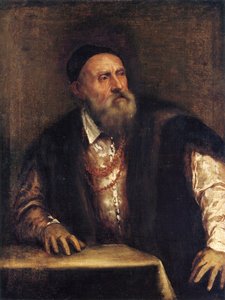
1490 - 1576 , Włochy


Bądź na bieżąco z najnowszymi wiadomościami ze świata sztuki, ekskluzywnymi ofertami i inspiracjami dekoratorskimi.
Opowiedz nam o swoim projekcie, a nasi eksperci przygotują dla Ciebie 3 spersonalizowane propozycje dzieł sztuki.
Przygotujemy dla Ciebie 3 propozycje zupełnie za darmo!


 Podgląd w skali
 Wyślij jako kartkę
 Udostępnij
 Szczegóły dzieła

 Pobierz
 Podobne obiekty
 RTG
RTG Pokaz slajdów
 Rozwiń treść


