x

Ręcznie malowany obraz olejny na płótnie, wykonany na zamówienie przez naszych artystów w wybranym przez Ciebie wymiarze i oprawie. ( Zamów wydruk Kup obraz wysokiej rozdzielczości)





























Wybierz spośród naszych standardowych rozmiarów, które zachowują oryginalne proporcje dzieła sztuki.

Możesz wprowadzić własne wymiary, aby dopasować obraz do konkretnej ramy lub przestrzeni. Jeśli wybrany rozmiar nie będzie odpowiadał proporcjom oryginału, przytniecie dzieło sztuki lub rozszerzymy je o dodatkowe elementy, ręcznie domalowane przez artystę. Przed rozpoczęciem produkcji wyślemy projekt cyfrowy do Twojej akceptacji.
Należy pamiętać, że podgląd na ekranie nie odzwierciedla rzeczywistego przycinania ani rozszerzania obrazu. Tylko projekt dokładnie pokaże ostateczną kompozycję.
Choć oferujemy możliwość zamówienia niestandardowych rozmiarów, zalecamy wybór wymiaru z gotowej listy, aby zachować oryginalne proporcje dzieła.
Dostawa na całym świecie () w ciągu 3–4 tygodni zamiast standardowych 5 tygodni. (14 Sierpień). Bez kompromisów w kwestii jakości.


St Nicholas
Wymiary reprodukcji
In the hallowed atmosphere of the Cologne Cathedral, there exists a window into the late Renaissance—a moment where the spiritual and the earthly converge through the brush of a master. Titian’s St Nicholas, painted in 1563, is far more than a religious portrait; it is a profound meditation on power, piety, and the enduring weight of tradition. The painting presents Bishop Nicholas of Myra not merely as a historical figure, but as a commanding presence that anchors the composition. Seated with an imposing dignity, the bishop serves as the focal point of a narrative tapestry, surrounded by attendants who breathe life into the sacred scene. One figure holds aloft a liturgical chalice, a gesture of profound devotion, while another remains partially veiled in shadow, adding an air of mystery and enigmatic grace to the assembly.
To behold this work is to witness the transition from the structured elegance of the High Renaissance toward the dramatic emotionality of the Baroque. Titian, the Venetian titan of color, utilizes a masterful chiaroscuro to sculpt his subjects out of the darkness. The background remains indistinct and somber, a void that forces the viewer’s gaze onto the luminous textures of the foreground. This deliberate use of light and shadow does more than create three-dimensionality; it evokes a sense of divine intervention, as if a celestial light has descended specifically to illuminate the sanctity of the bishop’s office. For the collector or designer, this interplay of light offers a sophisticated depth that can transform a space, providing a focal point that is both intellectually stimulating and visually arresting.
What truly distinguishes this masterpiece is Titian’s unparalleled command over the palette. Eschewing unnecessary distractions, the artist employs a restrained yet opulent range of warm tones—rich crimsons, deep ochres, and burnished golds. These colors are not merely applied to the canvas; they seem to glow from within, a testament to his revolutionary color theory. The heavy impasto technique adds a tactile dimension to the work, where the thick layers of oil paint catch the light, mimicking the weight of heavy brocade and the soft folds of liturgical vestments. This textural richness creates a sensory experience that invites the viewer to reach out and feel the very fabric of history.
Beyond its technical brilliance, the painting carries a symbolic resonance that speaks to the soul. The bishop’s presence represents the stability of ecclesiastical leadership, while the surrounding elements—the golden vessels and the draped figures—allude to the themes of service, sacrifice, and the continuity of faith. For those seeking to curate an environment of prestige and contemplation, St Nicholas offers an unparalleled opportunity. As a high-quality reproduction, it brings the grandeur of the Venetian Renaissance into the modern interior, offering a sense of timelessness and a connection to the profound spiritual heritage of the sixteenth century.

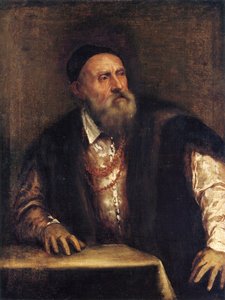
1490 - 1576 , Włochy

Explore the profound history and technical brilliance of oil on panel painting. From Renaissance masters to modern techniques, discover why this rigid support offers unparalleled precision and permanence for fine art lovers and collectors.

Explore the dramatic world of Italian Baroque art. Discover how masters like Caravaggio used chiaroscuro and tenebrism to revolutionize painting through light, shadow, and profound realism. A definitive guide for history lovers and art collectors.


Bądź na bieżąco z najnowszymi wiadomościami ze świata sztuki, ekskluzywnymi ofertami i inspiracjami dekoratorskimi.
Opowiedz nam o swoim projekcie, a nasi eksperci przygotują dla Ciebie 3 spersonalizowane propozycje dzieł sztuki.
Przygotujemy dla Ciebie 3 propozycje zupełnie za darmo!


 Podgląd w skali
 Wyślij jako kartkę
 Udostępnij
 Szczegóły dzieła

 Pobierz
 Podobne obiekty
 RTG
RTG Pokaz slajdów


 Rozwiń treść







 Opcja ze szkłem jest dostępna wyłącznie w rozmiarach poniżej 110 cm