x

Druk giclée lub płótno o jakości muzealnej, szybka realizacja i szeroki wybór opcji wykończenia. ( Zamów ręcznie malowaną reprodukcję Kup obraz wysokiej rozdzielczości)





























Wybierz spośród naszych standardowych rozmiarów, które zachowują oryginalne proporcje dzieła sztuki.

Możesz wprowadzić własne wymiary, aby dopasować dzieło do konkretnej ramy lub przestrzeni. Jeśli wybrany rozmiar nie będzie odpowiadał proporcjom oryginalnego obrazu, przytniecie dzieło lub rozszerzymy obraz za pomocą odbicia lustrzanego lub jednolitego wypełnienia krawędzi. Przed rozpoczęciem produkcji prześlemy cyfrową wizualizację do Twojej akceptacji.
Prosimy pamiętać, że podgląd na ekranie nie odzwierciedla faktycznego przycinania ani rozszerzania. Tylko wizualizacja dokładnie pokaże końcową kompozycję.
Mimo dostępności niestandardowych rozmiarów, zalecamy wybór wymiaru z listy zdefiniowanej, aby zachować oryginalne proporcje.
Dostawa na cały świat () w ciągu 2 tygodni zamiast standardowych 4/5 tygodni. (19 Sierpień)


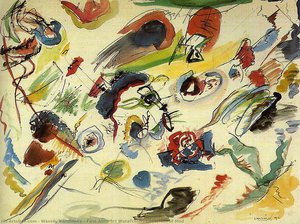
Improvisation 7
Wymiary reprodukcji
“Jazz Improvisation” is a vibrant and dynamic artwork by the pioneering Russian painter Wassily Kandinsky. Created in 1922 during his time in Germany, this piece exemplifies Kandinsky’s exploration of abstraction as a means to express inner spiritual realities through color and form. It's not a depiction of jazz music itself but rather an attempt to capture its energy, spontaneity, and improvisational nature visually.
Kandinsky was deeply influenced by music, believing that painting could evoke the same emotional responses as sound. He saw parallels between musical composition and visual art, using color and form in a way analogous to melody and harmony. “Jazz Improvisation” emerged during a period of significant artistic experimentation following World War I. The rise of jazz music itself, with its improvisational nature and syncopated rhythms, resonated with Kandinsky’s own artistic philosophy. He was fascinated by the idea of spontaneous creation and sought to translate this into his paintings.
Kandinsky's style in this period is characterized by a loosening of form and an increased emphasis on color as a primary expressive element. He moved away from representational imagery, focusing instead on creating compositions that were purely visual experiences. The painting reflects the influence of Bauhaus principles, emphasizing geometric shapes and dynamic arrangements.
While abstract, “Jazz Improvisation” is not devoid of symbolism. The swirling lines, intersecting planes, and vibrant colors create a sense of movement and energy that mirrors the improvisational nature of jazz music. The composition lacks a central focal point; instead, it’s a dynamic interplay of shapes and hues that draws the viewer's eye across the canvas.
“Jazz Improvisation” is designed to be an immersive experience for the viewer. It’s not about understanding a specific narrative but rather feeling the energy and emotion conveyed through color and form. The painting evokes a sense of spontaneity, freedom, and joyful chaos – qualities that are central to the jazz aesthetic.
Kandinsky's work challenged traditional notions of art, paving the way for abstract expressionism and influencing generations of artists. “Jazz Improvisation” stands as a testament to his innovative approach and his belief in the power of art to express profound spiritual truths through purely visual means. It remains a captivating example of how painting can transcend representation and become a powerful form of emotional communication.


1866 - 1944 , Rosja

Explore the vibrant world of Stuart Davis, a pioneer of American Modernism. Discover his jazz-inspired paintings, signature style & investment potential. Expert insights for art collectors.
Explore the fascinating history of music's visual representation in art! From ancient symbolism to modern abstraction, discover how artists have captured sound and emotion on canvas. Expert insights & stunning examples.

Explore the life & work of Arthur B. Davies, a pivotal figure in American Modernism. Discover his unique style, role in the 1913 Armory Show, and lasting influence on art history. Learn about collecting Davies' works.

Explore the vibrant world of Gene Davis and the Washington Color School. Discover his iconic stripe paintings, innovative techniques, and lasting impact on American abstract art. A deep dive for collectors & enthusiasts.

Odkryj fascynujący świat epoki jazzu i art déco! Poznaj wpływ modernizmu na sztukę lat 20., rolę polskich artystów oraz ikoniczne dzieła. Ekspercka analiza zmian społecznych i kulturowych tamtych czasów.


Bądź na bieżąco z najnowszymi wiadomościami ze świata sztuki, ekskluzywnymi ofertami i inspiracjami dekoratorskimi.
Opowiedz nam o swoim projekcie, a nasi eksperci przygotują dla Ciebie 3 spersonalizowane propozycje dzieł sztuki.
Przygotujemy dla Ciebie 3 propozycje zupełnie za darmo!


 Podgląd w skali
 Wyślij jako kartkę
 Udostępnij
 Szczegóły dzieła

 Pobierz
 Podobne obiekty
 RTG
RTG Pokaz slajdów

 Rozwiń treść







 Opcja ze szkłem jest dostępna wyłącznie w rozmiarach poniżej 110 cm