


x
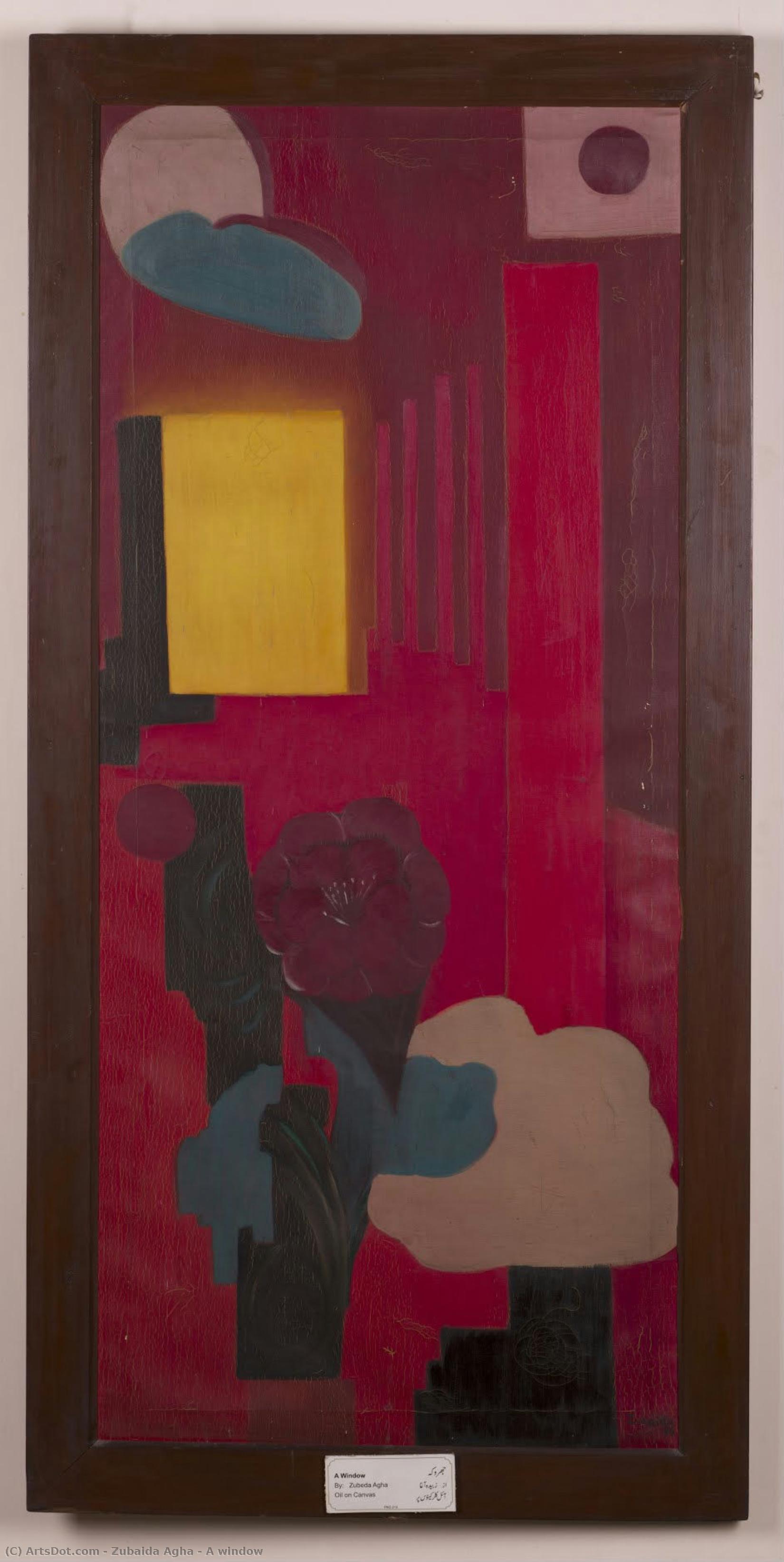
Kup wysokiej rozdzielczości, ulepszony obraz cyfrowy o znacznie wyższej jakości niż podgląd online.
Każdy plik jest starannie przygotowywany przez naszych specjalistów przy użyciu zaawansowanych narzędzi oraz profesjonalnej, ręcznej retuszy. Dbamy o to, aby każdy obraz cechował się wyjątkową ostrością, precyzyjnym odwzorowaniem kolorów i subtelnymi detalami.
Ostateczny plik dostarczany jest drogą mailową w ciągu 72 godzin, zoptymalizowany do natychmiastowego wykorzystania w profesjonalnych zastosowaniach redakcyjnych i poligraficznych. To ta sama jakość, której ufają czołowe studia projektowe, wydawnictwa oraz galerie sztuki.
Pobierz plik o wysokiej rozdzielczości do osobistego wyświetlania, druku oraz projektów kreatywnych. ( Zamów wydruk Zamów ręcznie malowaną reprodukcję)
Wybierając Most-Famous-Paintings.com, nie otrzymujesz jedynie obrazu – otrzymujesz profesjonalnie udoskonalone cyfrowe dzieło sztuki, stworzone z najwyższą precyzją i objęte gwarancją satysfakcji. Oto wszystko, co automatycznie dołączane jest do Twojego zamówienia:

Plik z obrazem cyfrowym w wysokiej rozdzielczości zostanie przesłany na Twój adres e-mail w ciągu 72 godzin od złożenia zamówienia – gotowy do natychmiastowego użycia.

Twoja grafika została profesjonalnie zoptymalizowana przy użyciu zaawansowanych narzędzi AI oraz ręcznej edycji, co zapewnia maksymalną szczegółowość, klarowność i wierność kolorów.

Przypadkowo usunąłeś lub zgubiłeś swój plik? Bez obaw – prześlemy go Tobie ponownie w dowolnym momencie, bez żadnych opłat.

Ciesz się swoją sztuką natychmiast, bez żadnych opłat celnych, należności ani kosztów dostawy – pliki cyfrowe są zawsze wolne od podatku.

Dzięki zastosowaniu profesjonalnych narzędzi i procesów zarządzania barwą zapewniamy, że Twoje cyfrowe zdjęcie odzwierciedla oryginalne kolory tak wiernie, jak to tylko możliwe.

Jeśli nie będziesz zadowolony ze swojego cyfrowego obrazu, dokonamy jego poprawki lub zwrócimy 100% kosztów w ciągu 60 dni – bez żadnych pytań.

Nie jesteś zadowolony? Otrzymaj pełny zwrot kosztów w ciągu 60 dni od otrzymania pliku cyfrowego – bez zbędnych pytań.

Kup 3 obrazy, oszczędź 10% - Kup 5, oszczędź 15% - Kup 10+, oszczędź 20%. Idealne do projektów kreatywnych, galerii i agencji.

Lucian Michael Freud (1922-2011) remains one of the most compelling and challenging figures in 20th-century British art. More than simply a portrait painter, Freud offered an intensely personal and often unsettling exploration of human psychology, capturing not just appearances but the very essence – the vulnerability, the awkwardness, and the quiet dignity – of his subjects. His work, characterized by thick impastoed surfaces, intimate scale, and a deliberate avoidance of sentimentality, continues to provoke debate and admiration decades after its creation.
Born in Berlin during the turbulent years of the Weimar Republic, Freud’s early life was profoundly shaped by his family's Jewish heritage and their eventual emigration to London in 1933. The shadow of Sigmund Freud, his grandfather, loomed large, though Lucian himself remained largely detached from his famous relative’s psychoanalytic theories. He received a somewhat erratic education, attending Dartington Hall and Bryanston School before being expelled for disruptive behavior – an experience that arguably contributed to the guarded and private nature he brought to his art. This early period of instability instilled in him a deep-seated need to observe and understand human behaviour, laying the foundation for his future work.
Freud’s artistic journey began with a flirtation with Surrealism in the 1940s, influenced by the vibrant energy of Paris. However, he quickly moved beyond this initial phase, embracing Expressionism before ultimately developing a distinctive style rooted in realism and psychological observation. His early works, such as “Portrait of Kitty” (1948-49), already hinted at his signature approach – a deliberate flattening of perspective, an almost claustrophobic intimacy, and a focus on the sitter’s physicality. This period was also marked by a strong influence from Cedric Morris, who encouraged him to study life drawing and develop his skills.
The 1950s witnessed the solidification of Freud's artistic vision. He began to work almost exclusively from life, demanding extended sittings – sometimes lasting for days – from his subjects. This rigorous process wasn’t merely about capturing likeness; it was an attempt to penetrate the sitter’s inner world, revealing their anxieties, vulnerabilities, and unspoken truths. His portraits are rarely flattering; they often depict figures in moments of discomfort, awkwardness, or quiet contemplation. The use of thick, almost sculptural paint created a tactile surface that seemed to breathe with life, drawing the viewer into the scene.
Freud’s technique was notoriously demanding. He employed a palette knife and other tools to build up layers of paint, creating a dense, textured surface that absorbed light and cast deep shadows. This physicality is crucial to his work; it suggests a profound engagement with the subject matter, as if he were not simply painting an image but actively shaping and molding it from within. His compositions are often deliberately unbalanced, further contributing to the sense of unease and psychological intensity.
Several key works exemplify Freud’s artistic evolution and his unique approach to portraiture. “Benefits Supervisor Sleeping” (1995), a monumental depiction of model Joy Division, is arguably his most famous painting, capturing the sitter's profound weariness and vulnerability with unflinching honesty. “Mountainous Figure” (1962) showcases his ability to convey a sense of isolation and power through the use of scale and composition. Throughout his career, Freud was influenced by artists such as Rembrandt, Velázquez, and Bacon, but he forged his own distinctive path, creating a body of work that is both deeply personal and universally resonant.
The 1922 Group, a small circle of artists who emerged in Scotland after World War I, provided an early platform for Freud’s artistic development. This group, characterized by its rejection of established norms and its embrace of modernism, fostered a spirit of experimentation and encouraged Freud to explore new approaches to painting. The influence of figures like Picasso and Cocteau during the 1920s also played a significant role in shaping his early style.
Lucian Freud’s impact on British art is undeniable. He challenged conventional notions of portraiture, moving beyond idealized representations to offer a brutally honest and psychologically complex portrayal of the human condition. His work continues to be exhibited widely and studied by scholars and artists alike. Freud's uncompromising vision and his willingness to confront difficult subjects have cemented his place as one of the most important and influential painters of the 20th century, leaving behind a legacy that is both unsettling and profoundly moving.
His later years were marked by increasing recognition and acclaim, culminating in retrospective exhibitions at major museums around the world. Despite his private nature, Freud’s work has had a lasting impact on contemporary art, influencing generations of artists with its raw honesty, psychological depth, and masterful technique.

1922 - 1997 , Pakistan


Bądź na bieżąco z najnowszymi wiadomościami ze świata sztuki, ekskluzywnymi ofertami i inspiracjami dekoratorskimi.
Opowiedz nam o swoim projekcie, a nasi eksperci przygotują dla Ciebie 3 spersonalizowane propozycje dzieł sztuki.
Przygotujemy dla Ciebie 3 propozycje zupełnie za darmo!


 Podgląd w skali
 Wyślij jako kartkę
 Udostępnij
 Szczegóły dzieła

 Pobierz
 Podobne obiekty
 RTG
RTG Pokaz slajdów

 Rozwiń treść


