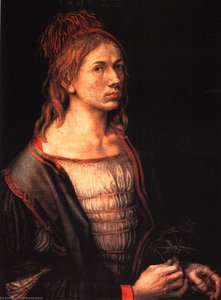
x

Impressão giclée ou em tela de qualidade de museu, com produção rápida e opções flexíveis de acabamento. ( Encomendar reprodução pintada à mão Comprar imagem em alta resolução)





























Escolha entre os nossos tamanhos pré-definidos que respeitam as proporções originais da obra de arte.

Você pode inserir suas próprias dimensões para se ajustar a uma moldura ou espaço específico. Se o tamanho selecionado não corresponder às proporções da imagem original, iremos recortar a obra de arte ou estender a imagem com uma borda espelhada ou preenchimento sólido. Um mockup digital será enviado para sua aprovação antes do início da produção.
Por favor, observe que a visualização na tela não reflete o recorte ou a extensão real. Apenas o mockup mostrará com precisão a composição final.
Embora tamanhos personalizados estejam disponíveis, recomendamos selecionar uma dimensão da lista predefinida para preservar as proporções originais.
Entrega mundial () em 2 semanas, em vez das 4/5 semanas padrão. (18 Agosto)


A Quarry
Dimensões da Reprodução
Albrecht Dürer's "A Quarry," painted in 1498, is more than just a depiction of a rugged landscape; it’s a profound meditation on mortality, human insignificance, and the enduring power of nature. Executed during a pivotal moment in the artist’s career – a period marked by intense experimentation with perspective and an increasingly complex engagement with humanist thought – this work reveals Dürer's burgeoning mastery of observation and his nascent exploration of symbolic meaning. The scene itself is stark: a desolate quarry, dominated by a towering mountain and punctuated by the skeletal remains of a tree, stands as a powerful visual statement. The figures scattered throughout the composition—a small group observing the tree—underscore our own vulnerability against the vastness of the natural world.
“A Quarry” emerges from the heart of the Northern Renaissance, a period defined by a renewed interest in classical antiquity and a burgeoning emphasis on human experience. Dürer, like many artists of his time, was deeply influenced by humanist thought, which encouraged observation of the natural world as a means of understanding humanity’s place within it. This is evident in the painting's realistic depiction of geological formations – a hallmark of Renaissance art – and its subtle portrayal of human figures interacting with their environment. The inclusion of the tree, particularly one rendered dead or dying, immediately introduces a symbolic layer, prompting contemplation on themes of decay, loss, and the transience of life.
Historical Significance: Painted in 1498, this work represents an early example of Dürer’s exploration of landscape as a subject for artistic investigation. It predates his later, more ambitious landscapes and demonstrates his developing skill in rendering natural forms with scientific accuracy.The dead or dying tree is arguably the most potent element within “A Quarry.” In medieval and Renaissance iconography, trees frequently symbolized life, fertility, and connection to the divine. However, here, the tree’s lifeless state transforms it into a symbol of death, decay, and perhaps even damnation. The figures observing the tree could represent humanity's futile attempts to comprehend or control the forces of nature, or they might be seen as witnesses to our own mortality. The mountain in the background further amplifies this sense of awe and dread, reinforcing the insignificance of human existence against the backdrop of an eternal landscape.
"A Quarry" possesses a haunting emotional resonance that continues to captivate viewers centuries later. Dürer’s masterful use of light and shadow, combined with his meticulous attention to detail, creates a scene of profound melancholy and isolation. This painting is considered a crucial step in the development of Dürer's artistic style and a testament to his innovative approach to landscape representation. Its influence can be seen in subsequent generations of Northern Renaissance artists, solidifying its place as a seminal work within art history. A hand-painted reproduction offers an unparalleled opportunity to experience the full power and beauty of this iconic image.

A influência de Dürer ressoa através dos séculos de história da arte. Sua precisão meticulosa, seu uso inovador da gravura e seus escritos teóricos continuam a inspirar artistas e estudiosos até hoje. Ele demonstrou que a arte poderia ser tanto tecnicamente magistral quanto intelectualmente rigorosa – um legado que continua a moldar o cenário artístico de hoje.

1471 - 1528 , Alemanha
Descubra as 25 obras-primas de Albrecht Dürer, mestre do Renascimento Alemão. Explore a história, técnicas e significado por trás de gravuras icônicas como 'Melancolia I' e autorretratos impressionantes. Encontre reproduções de arte exclusivas para decorar seu lar com Most-Famous-Paintings.com.
Descubra os 10 quadros de paisagem mais icônicos da história da arte! Explore Monet, Van Gogh e outros mestres, suas técnicas e inspirações. Encontre reproduções de alta qualidade para decorar sua casa com beleza e elegância em Most-Famous-Paintings.com.
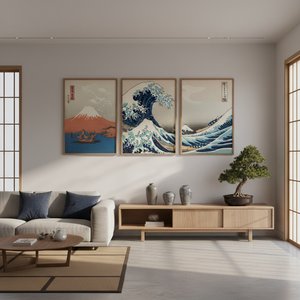
Descubra as 25 obras-primas de Katsushika Hokusai, o mestre do ukiyo-e! Explore a história por trás de 'A Grande Onda' e outras gravuras japonesas icônicas. Encontre reproduções de arte exclusivas para decorar sua casa com elegância em Most-Famous-Paintings.com.
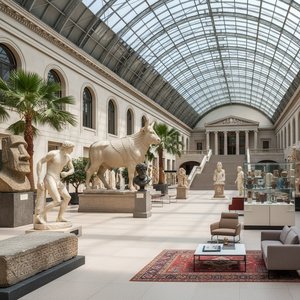
Descubra as 25 obras mais emblemáticas do Museu Britânico! Explore a história, artistas e técnicas por trás de tesouros como a Pedra de Roseta e os Mármores de Elgin. Encontre reproduções de arte exclusivas para decorar sua casa com elegância em Most-Famous-Paintings.com.

Descubra os 10 quadros mais emblemáticos da Paisagem Romântica! Explore a história de Turner, Friedrich e outros mestres. Encontre reproduções de arte exclusivas para inspirar sua decoração em Most-Famous-Paintings.com.


Fique por dentro das últimas notícias de arte, ofertas exclusivas e ideias de decoração.
Conte-nos sobre o seu projeto e os nossos especialistas em arte fornecerão 3 sugestões de arte personalizadas.
Deixe que selecionamos 3 opções especialmente para você – Grátis!


 Visualizar em escala
 Enviar
 Compartilhar
 Ver detalhes

 Baixar
 Semelhantes
 Raio X
 Apresentação de slides

 Ver mais







 A opção de vidro está disponível apenas para tamanhos inferiores a 110 cm