x

 Oil On CanvasWallArtFrench Academic Art
 183119th Century
 44.0 x 49.0 cm
 Museu Metropolitano de Arte
Adquira uma imagem digital de alta resolução e aprimorada, muito superior à prévia online.
Cada arquivo é meticulosamente preparado por nossos especialistas internos, utilizando ferramentas avançadas e retoques manuais de alta precisão. Garantimos que cada imagem apresente clareza excepcional, fidelidade de cores e detalhes minuciosos.
O arquivo final é entregue por e-mail em até 72 horas, otimizado para uso imediato em ambientes profissionais, editoriais e de impressão. Esta é a mesma qualidade utilizada por estúdios de design de alto nível, editoras e galerias.
Baixe um arquivo de alta resolução para exibição pessoal, impressão e projetos criativos. ( Encomendar impressão Encomendar reprodução pintada à mão)
Ao escolher o Most-Famous-Paintings.com, você não está apenas adquirindo uma imagem — você está recebendo uma obra de arte digital profissionalmente aprimorada, elaborada com precisão e com garantia de satisfação. Aqui está tudo o que acompanha seu pedido, automaticamente:

O seu arquivo de imagem digital em alta resolução será enviado por e-mail em até 72 horas após o pedido — pronto para uso imediato.

Sua obra de arte é otimizada profissionalmente por meio de ferramentas avançadas de IA e edição manual, garantindo o máximo de detalhes, clareza e precisão de cores.

Apagou ou perdeu o seu ficheiro acidentalmente? Não se preocupe – nós reenviamos para si a qualquer momento, gratuitamente.

Desfrute da sua obra de arte instantaneamente, sem taxas alfandegárias, impostos ou custos de entrega — downloads digitais são sempre isentos de taxas.

Garantimos que sua imagem digital reflita as cores originais com a maior fidelidade possível, utilizando ferramentas profissionais e gerenciamento de cores.

Se você não estiver satisfeito com sua imagem digital, nós a revisaremos ou reembolsaremos 100% dentro de 60 dias — sem perguntas.

Não está satisfeito? Receba o reembolso total em até 60 dias após o recebimento do seu arquivo digital — sem perguntas.

Compre 3 imagens, economize 10% - Compre 5, economize 15% - Compre 10+, economize 20%. Ideal para projetos criativos, galerias e agências.
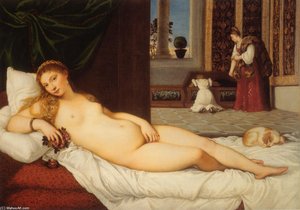
Asher Brown Durand's “Ariadne,” completed in 1831, is more than just a painting; it’s a poignant meditation on isolation and beauty rendered with the meticulous skill honed during his years as America’s foremost engraver. Measuring 44 x 49 cm, this oil-on-canvas work, currently residing within The Metropolitan Museum of Art in New York, offers a captivating glimpse into the artistic currents of its time – specifically, the delicate interplay between Neoclassicism and Romanticism that defined the early 19th century.
Durand’s artistic approach is profoundly shaped by his background as an engraver, a skill that instilled in him an unparalleled attention to detail and a deep understanding of tonal gradation. This technical mastery is evident in the painting's remarkably smooth surfaces and precise rendering of form. However, “Ariadne” transcends mere technical proficiency; it’s infused with the burgeoning Romantic sensibility that was beginning to challenge the rigid ideals of Neoclassicism. While Vanderlyn’s work prioritized clarity and order, Durand introduces a deliberate softness into the drapery and an overall atmosphere of melancholy. This shift reflects the broader artistic movement's embrace of emotional expression and subjective experience – a move away from purely objective representation.
The painting’s creation occurred during a period of significant social and political change in America, following the Napoleonic Wars. The French Academic Art Movement, which Durand aligned with, sought to revive classical ideals while simultaneously acknowledging the power of human emotion. This fusion is powerfully realized in “Ariadne,” where the serene natural setting – trees and mountains – serves not as a backdrop for heroic action but as a contemplative space for the princess’s sorrow.
The composition itself speaks volumes. Ariadne lies prone, her hands gently placed behind her head, suggesting both vulnerability and a quiet acceptance of her fate. The muted color palette – dominated by blues, grays, and browns – reinforces the mood of desolation and isolation. Even the inclusion of a bird adds to the painting’s symbolic weight; birds are often associated with freedom and hope, yet here they seem equally trapped within the scene, mirroring Ariadne's predicament.
Comparing “Ariadne” to Pompeo Batoni’s *Diana and Cupid* reveals striking similarities in subject matter and setting – both depict mythological figures in idyllic natural landscapes. However, where Batoni’s work exudes a sense of joyous celebration, Durand’s rendition is imbued with a profound sadness, highlighting the artist's deliberate adaptation of Neoclassical principles to suit American tastes and his own Romantic sensibilities.
"Ariadne" stands as a testament to Asher Brown Durand’s artistic vision and technical skill. It represents a pivotal moment in American art history, bridging the gap between classical tradition and burgeoning Romanticism. Its enduring appeal lies not only in its exquisite detail but also in its ability to evoke a powerful emotional response – a reminder of human vulnerability and the poignant beauty found even in moments of profound solitude.


1796 - 1886 , Estados Unidos da América


Fique por dentro das últimas notícias de arte, ofertas exclusivas e ideias de decoração.
Conte-nos sobre o seu projeto e os nossos especialistas em arte fornecerão 3 sugestões de arte personalizadas.
Deixe que selecionamos 3 opções especialmente para você – Grátis!


 Visualizar em escala
 Enviar
 Compartilhar
 Ver detalhes

 Baixar
 Semelhantes
 Raio X
 Apresentação de slides
 Ver mais